Migraine Relief in San Diego
Drug-free care for headaches. Chiropractic neurology that tackles migraine triggers and pain at the source, so you can live headache-free.
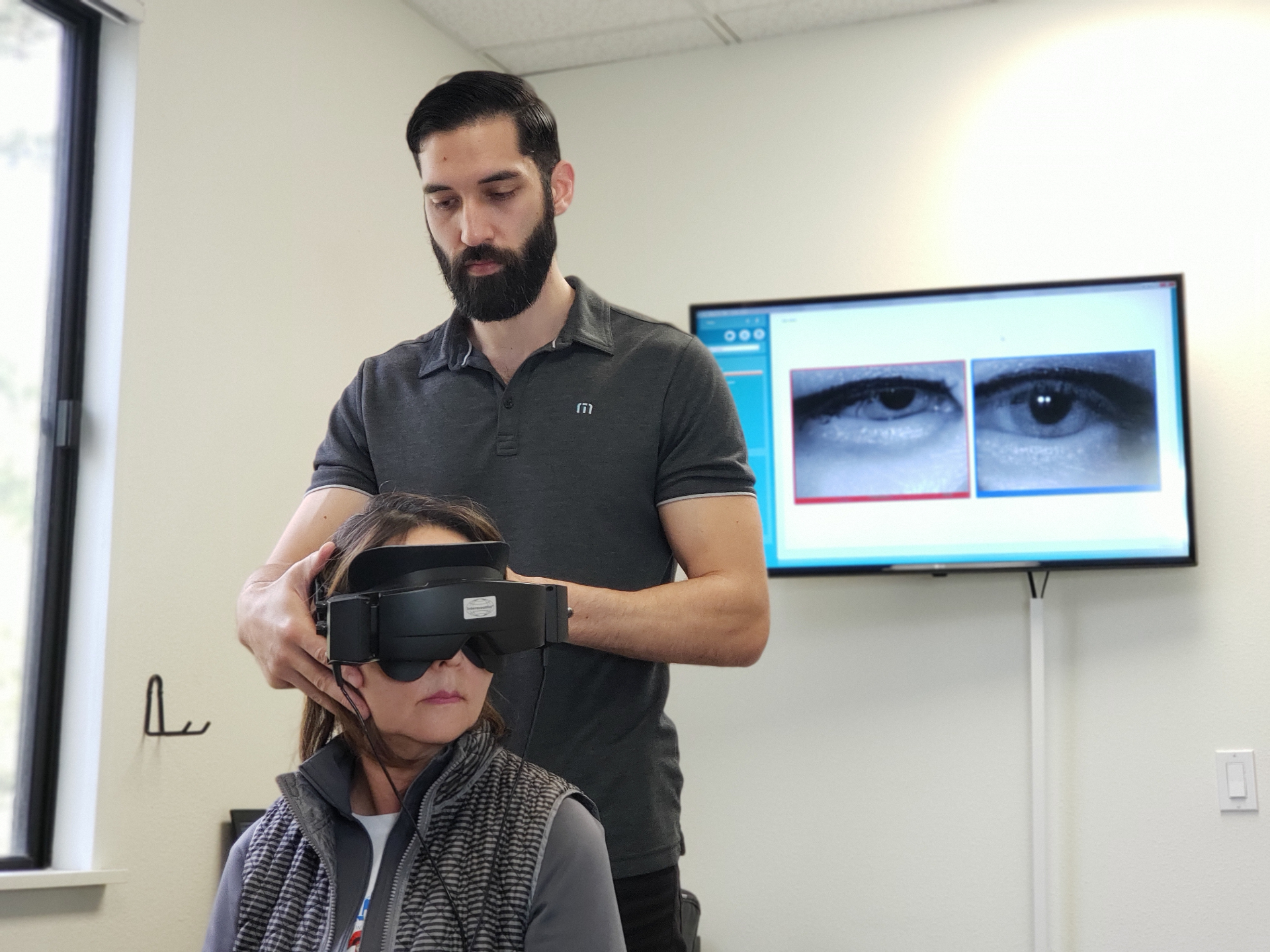
Struggling with Migraines?
Migraines aren't just bad headaches. They can be absolutely debilitating. Throbbing pain, light and sound sensitivity, nausea: migraines can knock you out for days. They impact work, family time, and quality of life.
Migraine is the third most prevalent illness worldwide, affecting roughly 1 in 7 people. In the United States alone, migraines cause an estimated 113 million lost workdays annually. Despite this enormous impact, most treatment approaches focus solely on medication—either acute drugs to stop an attack or preventive drugs to reduce frequency. While these medications can be helpful, they don't address the underlying neurological and structural factors that make your brain vulnerable to migraine attacks in the first place.
The good news: we offer a different approach that may significantly reduce migraine frequency and severity by addressing root causes, not just symptoms. Results vary by patient.
Do These Symptoms Sound Familiar?
If you're experiencing any of these, our integrated approach can help.
- Throbbing or pulsing pain, often on one side of the head
- Sensitivity to light, sound, or smells
- Nausea or vomiting during episodes
- Visual disturbances (aura) before or during migraines
- Migraines lasting hours to days
- Fatigue or brain fog after migraine episodes
- Frequent headaches that disrupt work and family life
Understanding the Migraine Brain
Why migraines happen and what keeps them coming back
The Four Phases of a Migraine
A migraine is not simply a headache—it's a complex neurological event that unfolds in four distinct phases, each involving different brain mechanisms:
1. Prodrome (Hours–Days Before)
Subtle warning signs: food cravings, mood changes, yawning, neck stiffness, increased urination. These reflect hypothalamic and brainstem activation.
2. Aura (20–60 Minutes)
Visual disturbances, tingling, or speech difficulty caused by cortical spreading depression—a wave of electrical activity across the brain's surface.
3. Headache Phase (4–72 Hours)
Throbbing pain, photophobia, phonophobia, nausea. The trigeminal nerve releases inflammatory peptides (CGRP) around the meninges, causing pain and blood vessel dilation.
4. Postdrome ("Migraine Hangover")
Fatigue, brain fog, difficulty concentrating, mood changes lasting 24-48 hours after the pain resolves. Often the most functionally disabling phase.
The Cervical-Migraine Connection
One of the most important—and most overlooked—factors in migraine is the cervical spine. The upper neck (C1-C3) shares a common pain processing hub with the trigeminal nerve in the brainstem: the trigeminocervical nucleus. This anatomical overlap means that dysfunction in the upper cervical spine can directly lower your migraine threshold.
Research shows that up to 75% of migraine patients have significant cervical spine dysfunction, including restricted joint mobility, suboccipital muscle tightness, and impaired proprioception. Many patients notice that neck stiffness or pain precedes their migraine attacks—this is not coincidence but a direct neurological pathway.
The suboccipital muscles at the base of the skull are densely packed with proprioceptors—more per gram of muscle than anywhere else in the body. When these muscles are tight or dysfunctional, they compress the greater occipital nerve and send aberrant signals into the trigeminocervical nucleus, effectively "priming the pump" for migraine activation.
Central Sensitization: Why Migraines Get Worse Over Time
For many migraine sufferers, attacks become more frequent and intense over the years. This progression is driven by central sensitization—a process where the brain's pain-processing circuits become increasingly excitable with each migraine episode. Essentially, each migraine makes the next one easier to trigger.
This is why early, comprehensive intervention matters. Breaking the cycle of central sensitization requires more than acute pain relief—it requires addressing the neurological, structural, and autonomic factors that keep the brain in a hyper-excitable state. Our functional neurology approach targets these underlying drivers to progressively raise your migraine threshold and reduce central sensitization.
Our 5-Part Migraine Recovery System
A comprehensive, drug-free approach that addresses every factor contributing to your migraines.
Comprehensive Neurological Assessment
We evaluate cranial nerve function, cerebellar pathways, brainstem reflexes, and cervical spine biomechanics. This includes oculomotor testing (smooth pursuits, saccades, convergence), vestibular screening, and detailed upper cervical examination. We identify exactly which neural pathways are contributing to your migraines.
Cervical Spine Restoration
Targeted chiropractic adjustments to the upper cervical spine (C1-C3) restore proper joint mobility and reduce compression of the greater occipital nerve. We also address suboccipital muscle dysfunction and forward head posture, which directly impacts the trigeminocervical nucleus and migraine threshold.
Neurological Rehabilitation
Specific neuroplasticity-based exercises targeting the brainstem, cerebellum, and cortical regions involved in migraine generation. This includes oculomotor training, optokinetic stimulation, and vestibular exercises calibrated to your specific neurological findings. The goal is to improve your brain's processing efficiency and raise your migraine threshold.
Autonomic Nervous System Regulation
Vagus nerve stimulation, breathing exercises, and heart rate variability training to rebalance your autonomic nervous system. Many migraine patients show sympathetic dominance—a 'fight or flight' state that lowers the threshold for migraine attacks. Restoring parasympathetic tone is a powerful migraine prevention strategy.
Lifestyle & Trigger Management
Evidence-based guidance on sleep hygiene, dietary triggers (tyramine, histamine, nitrates), stress management, exercise protocols, and hormonal considerations. We help you build a sustainable lifestyle framework that keeps your migraine threshold high and your attack frequency low.
By correcting both the physical and neurological causes of your migraines, we aim to greatly reduce their intensity and frequency, so you can work toward fewer and less severe episodes.
Self-Care Strategies for Migraine Prevention
Evidence-based techniques you can start using today to reduce migraine frequency.
Suboccipital Release Technique
The suboccipital muscles at the base of your skull are often a primary trigger point for migraines. This self-release technique can provide relief and help prevent attacks.
- Lie on your back with two tennis balls placed in a sock, positioned under the base of your skull
- Allow the weight of your head to rest on the balls, targeting the muscular ridge where your skull meets your neck
- Gently nod your head "yes" and "no" to massage the suboccipital muscles
- Hold tender spots for 30-60 seconds until you feel the tension release
- Perform for 5-10 minutes daily, especially before bed or at the first sign of neck tension
Vagal Breathing for Migraine Prevention
Slow, diaphragmatic breathing activates the vagus nerve and shifts your nervous system from sympathetic (fight-or-flight) to parasympathetic (rest-and-recover) dominance.
- Inhale slowly through your nose for 4 seconds, expanding your belly (not your chest)
- Hold for 2 seconds
- Exhale slowly through pursed lips for 6-8 seconds—the extended exhale is key
- Repeat for 5 minutes, aiming for 5-6 breaths per minute
- Practice twice daily and at the first sign of prodrome symptoms (food cravings, yawning, neck stiffness)
Cervical Retraction Exercise (Chin Tucks)
Forward head posture is strongly correlated with migraine frequency. This exercise corrects cervical alignment and decompresses the upper cervical joints.
- Sit or stand tall with your shoulders relaxed
- Without tilting your head up or down, draw your chin straight back as if making a "double chin"
- You should feel a gentle stretch at the base of your skull and the front of your neck
- Hold for 5 seconds, then relax; repeat 10 times
- Perform every hour if you work at a desk, and 3 sets of 10 throughout the day
Important: These techniques complement clinical care but are not a replacement for comprehensive evaluation. If your migraines are severe, worsening, or accompanied by new neurological symptoms, seek professional assessment.
Success Stories – Life Without Migraines
Our migraine patients often say it's life-changing
I'd suffered migraines for 10+ years. Chiropractic neurology was a game-changer. My migraines are now rare and manageable. My life is 100% changed!
Individual results vary. Testimonials reflect personal experience and are not a guarantee of outcome.
Cassi
Migraine Patient
I never found anything that really controlled my migraines until I found this place. I got my life back and will continue to have them be part of my well-being!
Individual results vary. Testimonials reflect personal experience and are not a guarantee of outcome.
Maria L.
Migraine Patient
Why Choose Our Clinic for Migraines?
Functional Neurology Trained
All doctors trained in neurologic rehab
Proven Approach
Outstanding results for tough cases
Natural & Holistic
No medications or side effects
Comprehensive Care
Not just one quick adjustment
High-Trust Care
Compassion & results
Frequently Asked Questions
Common questions about migraines, headaches, and our drug-free treatment approach.
Take Control of Your Migraines
You don't have to live at the mercy of migraines. Imagine fewer headaches or none at all. It is possible. Take the first step toward lasting relief.
Schedule a consultation with our migraine team today, or call (619) 344-0111
More questions? Visit our FAQs page
Related Articles From Our Blog
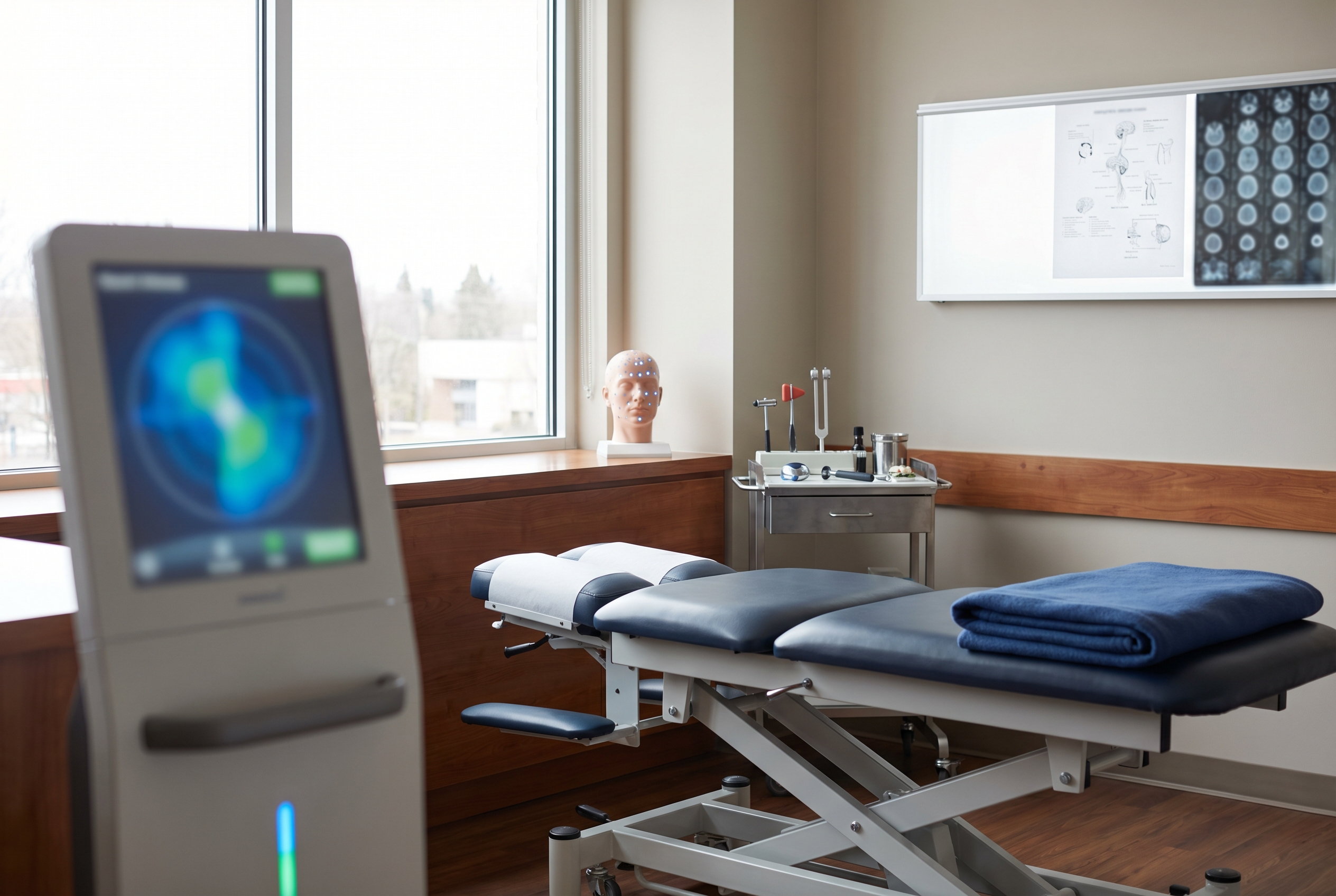
Migraine Treatment San Diego: When Recurring Headaches Need a More Complete Evaluation
Looking for migraine treatment San Diego patients can trust? Learn when recurring headaches need a more complete evaluation and what care options may help.
Read articleMigraine Headache Treatment San Diego: A Neurology-Trained Approach
Recurring migraine headaches in San Diego? Our functional neurology trained team looks at brain, neck, and autonomic drivers behind chronic headache patterns.
Read article
Migraines and Your Period: Steps to Reducing Migraines Related to Your Cycle
PMS symptoms tend to be incredibly painful and debilitating for many people who menstruate. About 60% of people who menstruate will experience menstrual...
Read article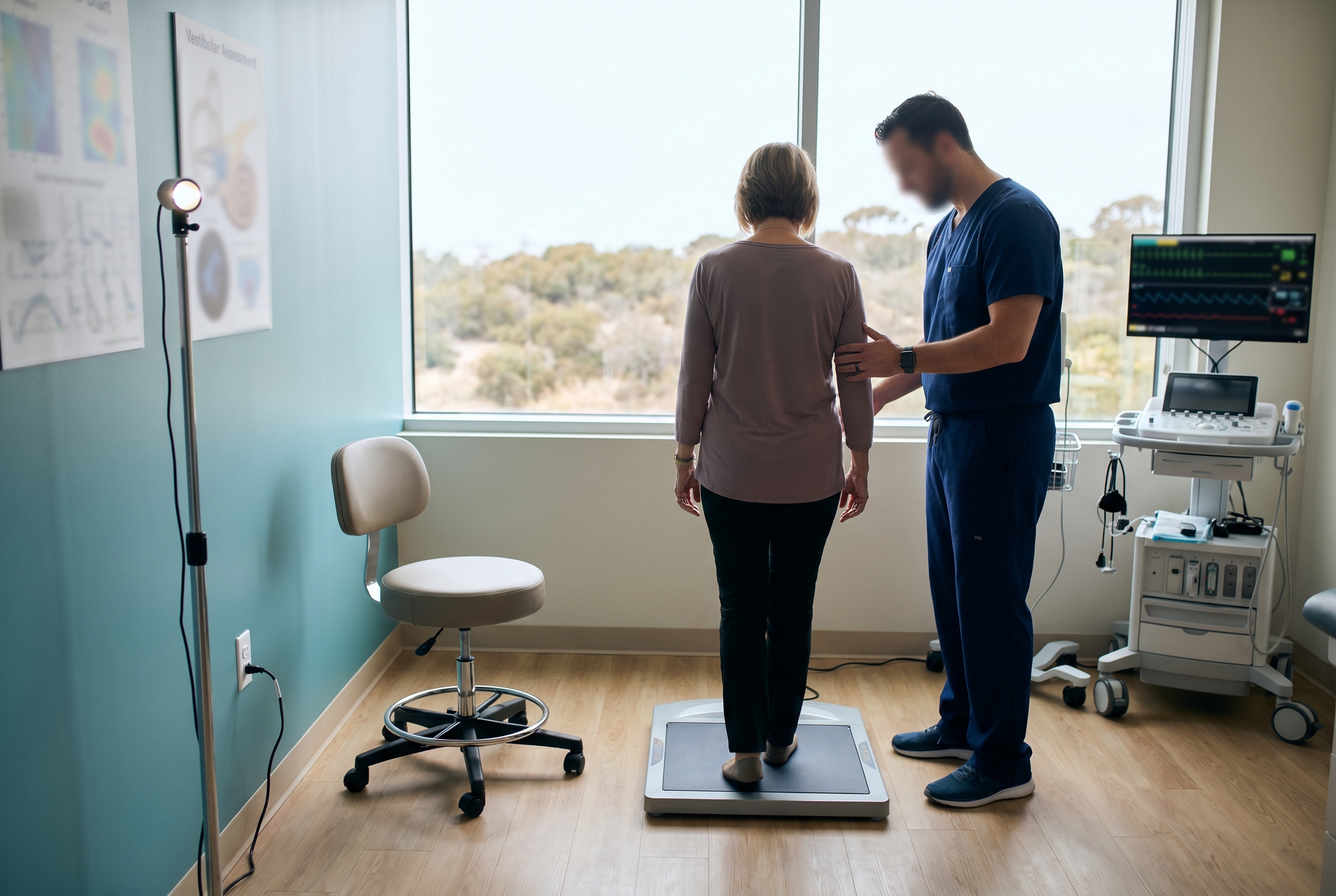
What a migraine specialist looks for
Looking for a migraine specialist in San Diego? Learn when a deeper evaluation may help headaches, dizziness, balance issues, and visual sensitivity.
Read article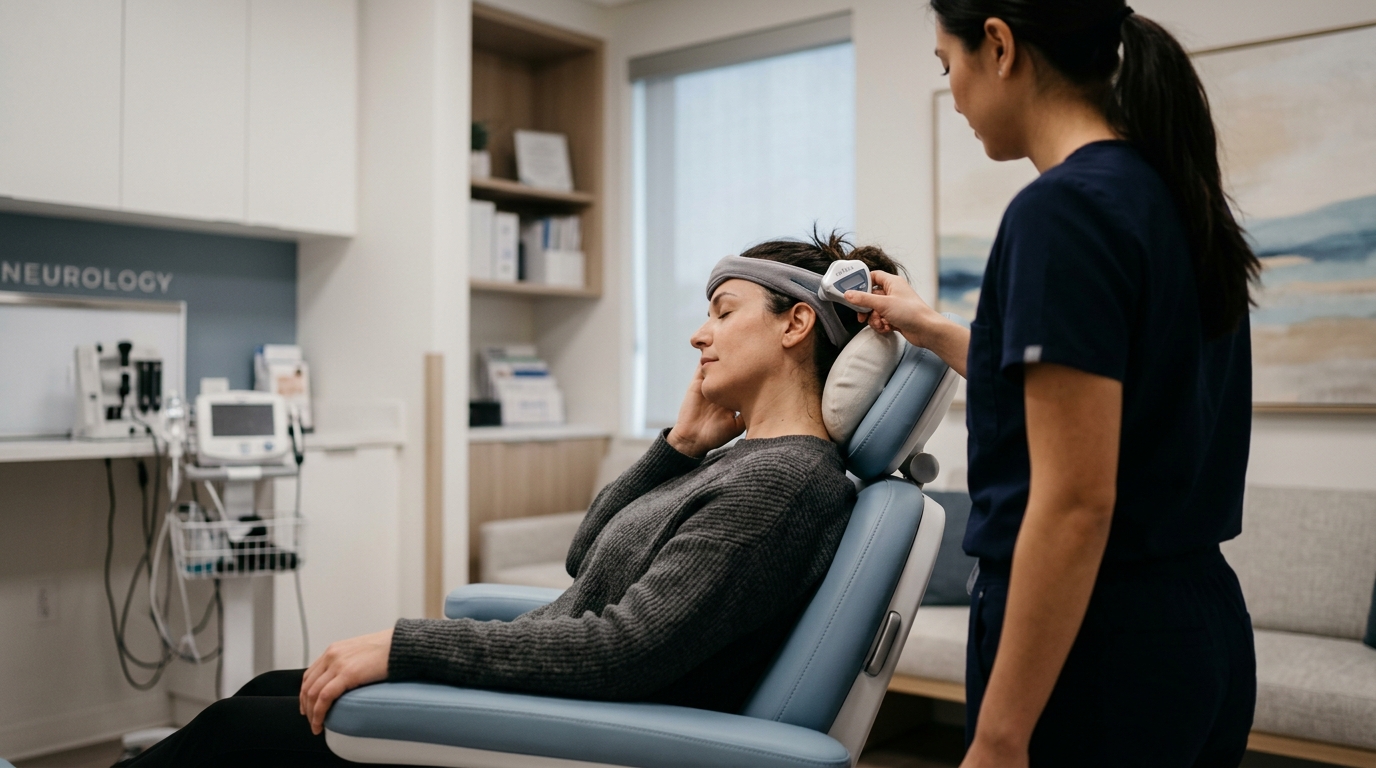
Chronic migraine treatment without daily medication
Chronic migraine treatment without medication in San Diego: learn what evaluation, rehab, and non-drug options may help ongoing symptoms.
Read article