Understanding the Vagus Nerve
The vagus nerve (cranial nerve X) is the longest and most complex cranial nerve in your body. It originates in the brainstem and wanders through the neck, chest, and abdomen—connecting your brain to virtually every major organ system. Its name comes from the Latin word for "wandering," reflecting its extensive reach throughout the body.
This remarkable nerve carries both sensory and motor signals bidirectionally—approximately 80% of its fibers are afferent (sending information from the body to the brain) and 20% are efferent (sending commands from the brain to the body). This means the vagus nerve is not just a one-way switch—it's a continuous conversation between your brain and your body about heart rate, breathing, digestion, inflammation, mood, and immune function.
When the vagus nerve is functioning optimally (high vagal tone), your body can efficiently transition between states of alertness and rest, manage inflammation naturally, digest food properly, regulate heart rate, and maintain emotional balance. When vagal tone is low—due to chronic stress, injury, infection, or neurological dysfunction—the body becomes stuck in a state of sympathetic overdrive, leading to anxiety, inflammation, digestive problems, and a cascade of chronic symptoms.
Vagus nerve stimulation therapy works by directly activating this nerve, restoring healthy vagal tone, and re-establishing the brain-body communication that drives healing and homeostasis.
Signs You May Benefit from Vagus Nerve Therapy
Low vagal tone and autonomic imbalance can manifest in many ways. If you're experiencing any of these, VNS may help.
- Chronic anxiety, depression, or mood dysregulation
- Frequent migraines or cluster headaches
- Persistent inflammation or autoimmune flare-ups
- Digestive issues like IBS, bloating, or nausea
- Heart rate variability imbalance or rapid heartbeat
- POTS (Postural Orthostatic Tachycardia Syndrome) symptoms
- Chronic fatigue that doesn't improve with rest
- Difficulty recovering from concussion or brain injury
How Vagus Nerve Stimulation Works
VNS activates multiple healing pathways simultaneously, making it one of the most versatile therapies in neurological rehabilitation.
Autonomic Nervous System Regulation
The vagus nerve is the primary nerve of the parasympathetic (rest-and-digest) nervous system. Stimulation shifts your body from a chronic fight-or-flight state into a calmer, more balanced state—reducing heart rate, lowering blood pressure, and decreasing the stress hormones cortisol and adrenaline that drive anxiety and inflammation.
Anti-Inflammatory Pathway Activation
The vagus nerve controls the 'cholinergic anti-inflammatory pathway,' a direct communication line between the brain and immune system. When stimulated, the vagus nerve releases acetylcholine, which signals immune cells to reduce the production of inflammatory cytokines—providing natural, drug-free inflammation control.
Neuroplasticity Enhancement
Vagus nerve stimulation increases the release of brain-derived neurotrophic factor (BDNF) and other neurochemicals that promote the growth of new neural connections. This neuroplasticity boost accelerates recovery from brain injuries, supports mood regulation, and enhances the effectiveness of other rehabilitation therapies.
Gut-Brain Axis Communication
The vagus nerve carries approximately 80% of the signals between the gut and the brain. Stimulation improves gastric motility, reduces visceral pain, and helps regulate the gut microbiome's influence on mood, immunity, and cognitive function—explaining why vagus nerve therapy often improves digestive symptoms alongside neurological ones.
Neurotransmitter Modulation
VNS influences the release of serotonin, norepinephrine, GABA, and dopamine—key neurotransmitters involved in mood, pain perception, sleep, and focus. This broad neurochemical effect is why vagus nerve therapy can simultaneously improve mood, reduce pain, enhance sleep quality, and sharpen cognitive function.
Our 5-Step Vagus Nerve Therapy Program
A comprehensive protocol that combines device-based stimulation with lifestyle strategies for lasting autonomic health.
Autonomic Function Assessment
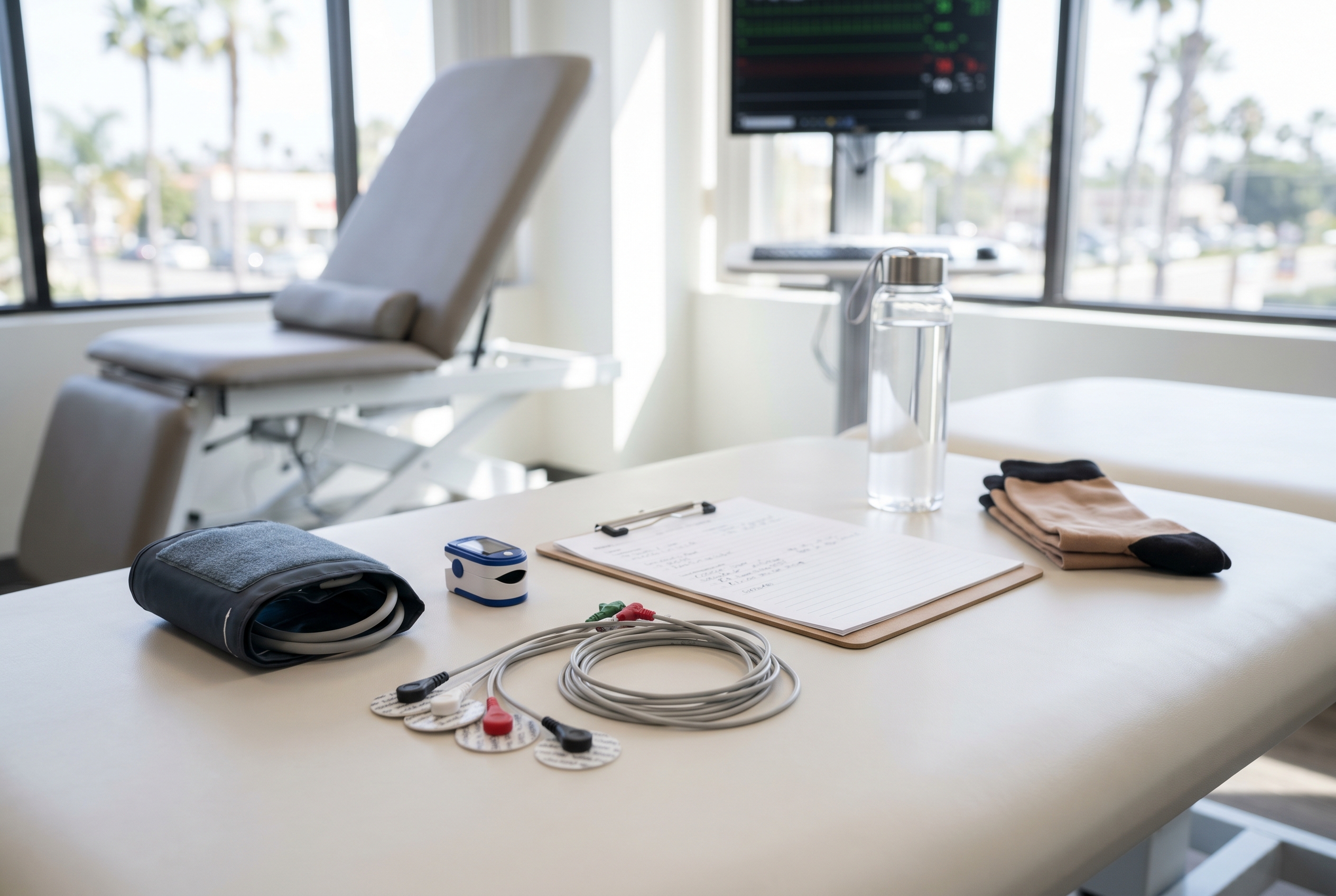
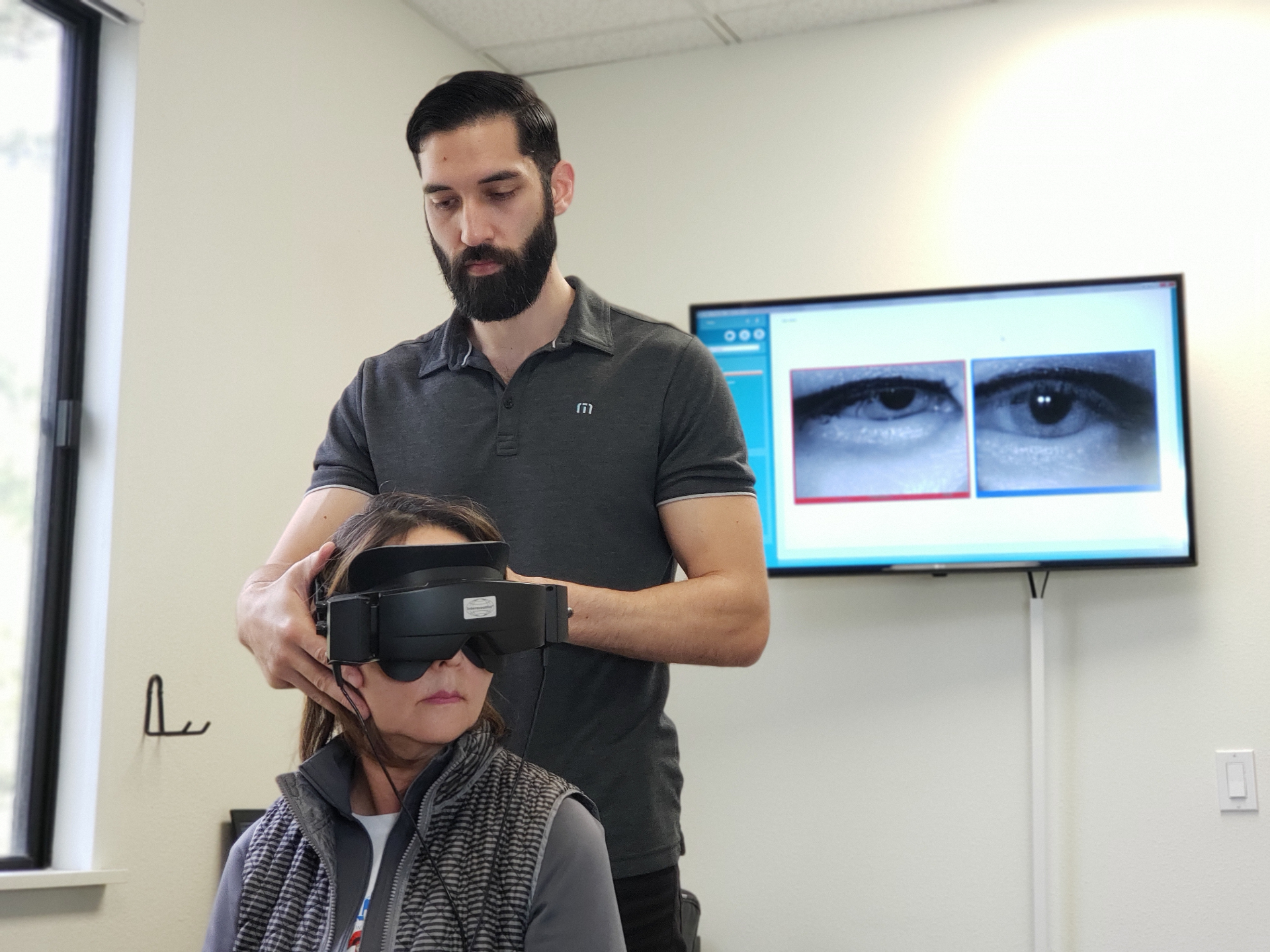
Comprehensive evaluation of your autonomic nervous system including heart rate variability (HRV) analysis, orthostatic testing, pupillary response, and clinical symptom mapping to determine vagal tone and identify autonomic imbalances.
Non-Invasive Vagus Nerve Stimulation
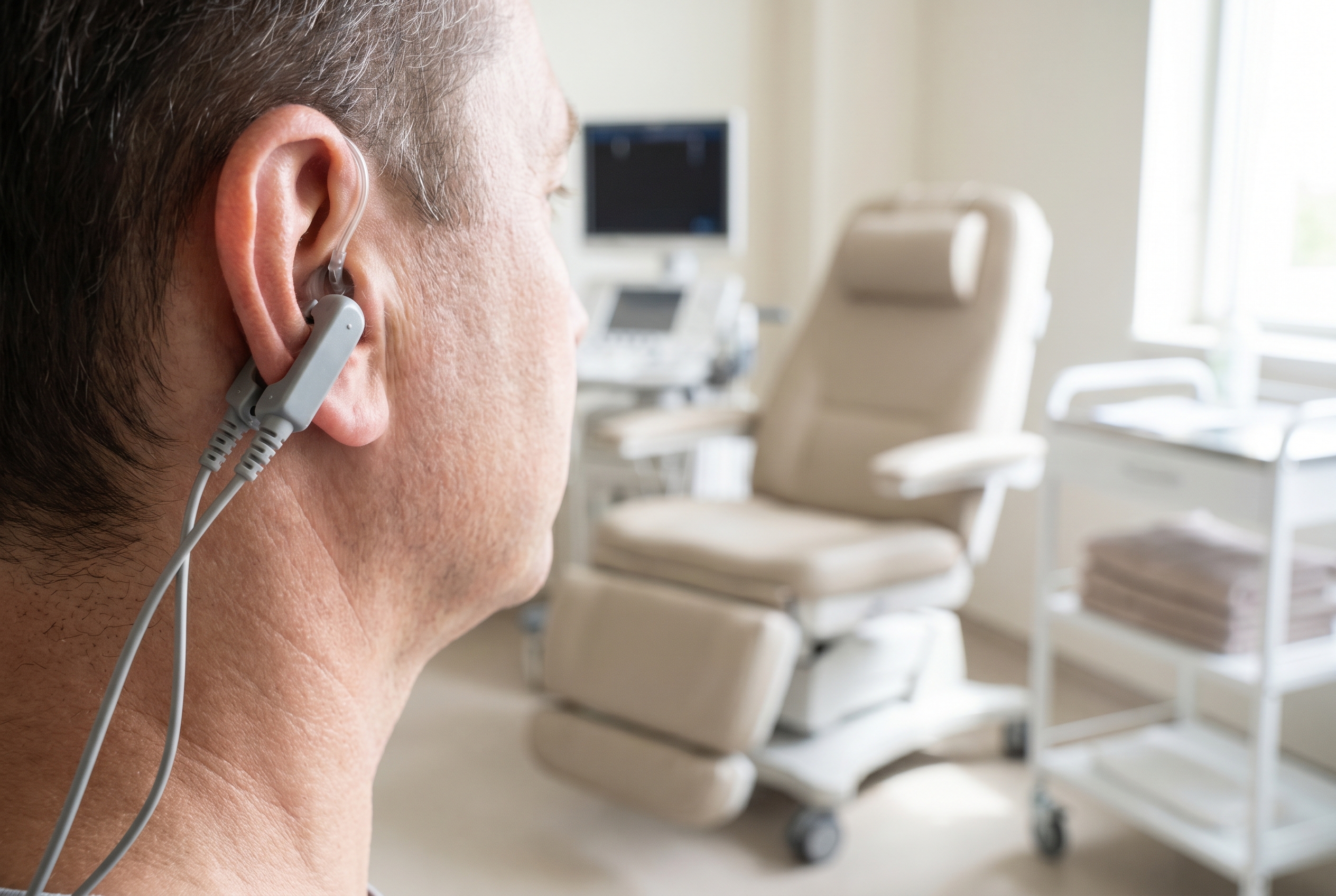
Using FDA-cleared transcutaneous devices, we deliver gentle electrical pulses to the auricular branch of the vagus nerve (located in the ear) or the cervical vagus nerve in the neck—no surgery, no implants, no pain.
Breathing & HRV Training
We teach specific breathing techniques (slow diaphragmatic breathing at 5.5 breaths per minute) that directly stimulate the vagus nerve and improve heart rate variability—a key marker of autonomic health that you can influence daily.
Neurological Integration
VNS is combined with other neurological rehabilitation exercises—vestibular training, eye movement exercises, and cognitive tasks—to leverage the enhanced neuroplasticity window that vagus nerve stimulation creates.
At-Home VNS & Monitoring
We equip you with strategies to stimulate your vagus nerve at home through cold exposure, humming, gargling, and breathing exercises, plus HRV monitoring to track your autonomic health between visits.
Daily Vagus Nerve Activation Techniques
Between clinical VNS sessions, you can activate your vagus nerve daily with these evidence-based techniques:
Slow diaphragmatic breathing. Breathe in through your nose for 5.5 seconds, then out through your mouth for 5.5 seconds (approximately 5.5 breaths per minute). This rhythm maximizes heart rate variability and directly stimulates the vagus nerve. Practice for 5 to 10 minutes, twice daily.
Cold exposure. Splash cold water on your face, place a cold pack on the back of your neck, or end your shower with 30 seconds of cold water. Cold exposure triggers the dive reflex, which activates the vagus nerve and shifts the nervous system toward parasympathetic dominance.
Gargling and humming. Gargle vigorously with water for 30 seconds or hum deeply for several minutes. Both activities activate the muscles in the back of the throat that are innervated by the vagus nerve, providing gentle stimulation with each session.
Social connection and laughter. The vagus nerve is the nerve of social engagement. Genuine social interaction, laughter, and positive emotional experiences all increase vagal tone naturally. This is why isolation and loneliness are associated with poor vagal function and chronic inflammation.
Why Choose San Diego Chiropractic Neurology for Vagus Nerve Therapy?
Functional Neurology
Board-trained in autonomic assessment
Non-Invasive Devices
FDA-cleared, no surgery needed
Drug-Free Approach
Natural nervous system regulation
Measurable Results
HRV monitoring tracks progress
Integrated Protocol
VNS combined with full neuro rehab
Vagus Nerve Therapy FAQs
Common questions about vagus nerve stimulation therapy in San Diego.
Related Conditions
POTS
Vagus nerve therapy directly addresses the autonomic dysfunction that drives POTS symptoms.
Learn about POTSMigraine
VNS reduces migraine frequency and intensity by modulating pain pathways and reducing neuroinflammation.
Learn about MigraineConcussion
Vagus nerve stimulation enhances neuroplasticity, accelerating brain recovery after concussion.
Learn about ConcussionTreatments That May Help
Vestibular Therapy
VNS calms the autonomic nausea and anxiety that often accompany vestibular dysfunction.
View serviceCognitive Therapy
The neuroplasticity boost from VNS enhances the effectiveness of cognitive rehabilitation exercises.
View serviceCoordination, Balance & Gait Therapy
Improved autonomic regulation supports better motor control and balance performance.
View service