Back Pain Relief in San Diego
Get back to living pain-free. Integrated spine care and neurological rehab to end chronic back pain and restore mobility—without surgery or drugs.
Understanding Back Pain: Why It Persists and How to Fix It
Back pain is the single leading cause of disability worldwide, affecting an estimated 80 percent of adults at some point in their lives. In San Diego alone, thousands of people live with chronic back pain that limits their ability to work, exercise, and enjoy daily activities. While occasional back pain from overexertion or poor posture often resolves on its own, persistent or recurring back pain signals an underlying problem that requires professional attention.
The lumbar spine (lower back) bears the majority of your body's weight and is responsible for an extraordinary range of motion—bending, twisting, lifting, and absorbing shock with every step. This combination of heavy loading and constant movement makes the lower back particularly vulnerable to injury and degeneration. The five lumbar vertebrae are cushioned by intervertebral discs, stabilized by ligaments and muscles, and connected to the rest of the body through an intricate network of spinal nerves.
When any component of this system is compromised—whether through disc degeneration, joint dysfunction, muscle weakness, or nerve irritation—the result is pain that can range from a dull persistent ache to sharp, debilitating spasms. Our back pain treatment addresses all of these factors.
What Type of Back Pain Do You Have?
Understanding the source of your pain is the first step toward lasting relief.
Mechanical Back Pain
The most common type, mechanical back pain originates from the spine's structures—discs, facet joints, ligaments, or muscles. It is typically aggravated by movement or sustained postures and relieved by rest or position changes. Common causes include:
- Disc-related pain: Bulging, herniated, or degenerating discs compressing nerves or irritating surrounding tissues
- Facet joint syndrome: Inflammation of the small joints connecting each vertebra, causing localized pain that worsens with extension
- Muscle strain: Overuse, improper lifting, or sudden movements that tear or overload the paraspinal muscles
- Sacroiliac joint dysfunction: Abnormal movement in the joint connecting the pelvis to the spine, causing one-sided low back pain
Neurological Back Pain
When spinal nerves are compressed or irritated, pain often radiates beyond the back into the buttocks, legs, or feet. This type of pain frequently involves additional symptoms like numbness, tingling, or weakness. Common causes include:
- Radiculopathy: Nerve root compression from a herniated disc or bone spur, causing pain that follows a specific nerve pathway
- Spinal stenosis: Narrowing of the spinal canal that compresses the spinal cord or nerve roots, often causing leg pain with walking
- Central sensitization: The nervous system becomes hypersensitive, amplifying pain signals even after the original injury has healed
- Failed back surgery syndrome: Persistent pain after spinal surgery, often involving scar tissue and ongoing nerve irritation
Why Does My Back Hurt? Common Causes Explained
Poor Posture and Prolonged Sitting
Modern lifestyles demand hours of sitting at desks, in cars, and on couches. This sustained flexed posture loads the lumbar discs with up to 40 percent more pressure than standing, shortens the hip flexor muscles, weakens the gluteal and core muscles, and gradually shifts the spine out of its natural curvature. Over months and years, these postural changes lead to disc bulging, facet joint irritation, and muscle imbalances that produce chronic low back pain. Ergonomic workstation adjustments, regular movement breaks, and targeted strengthening exercises are essential components of lasting relief.
Disc Degeneration and Herniation
The intervertebral discs that cushion your vertebrae are composed of a tough outer ring (annulus fibrosus) surrounding a gel-like center (nucleus pulposus). Beginning as early as your twenties, these discs gradually lose hydration and elasticity—a process called degenerative disc disease. As the disc loses height and structural integrity, it can bulge outward (protrusion), tear and allow the nucleus to push through (herniation), or collapse entirely, causing bone-on-bone contact. Each stage can compress nearby spinal nerves, producing back pain that may radiate into the legs. Non-surgical spinal decompression is particularly effective because it creates negative intradiscal pressure that draws herniated material back toward the center and increases nutrient flow to the damaged disc.
Core Weakness and Muscle Imbalances
Your spine relies on a complex system of muscles for stability and movement. The deep core muscles—including the transverse abdominis, multifidus, pelvic floor, and diaphragm—act as a natural brace for the lumbar spine. When these muscles are weak or poorly coordinated, the spine becomes unstable and the superficial muscles (like the erector spinae) must compensate, leading to overuse, spasm, and pain. Research shows that after a single episode of back pain, the multifidus muscle begins to atrophy on the affected side and does not automatically recover without targeted rehabilitation. This is why back pain so often recurs—the underlying muscle weakness persists even after the pain resolves.
Spinal Joint Dysfunction
Each vertebra connects to its neighbors through facet joints that guide spinal movement. When these joints become misaligned, restricted, or inflamed—whether from poor posture, repetitive stress, or injury—they produce localized back pain that is often worse with extension, rotation, or prolonged standing. Facet joint dysfunction is the primary pain generator in an estimated 15 to 45 percent of chronic low back pain cases. Chiropractic adjustments specifically address this issue by restoring proper joint mechanics and reducing inflammation.
Do These Back Pain Symptoms Sound Familiar?
If you're experiencing any of these, our dual spine and neurology approach can help.
- Constant low back ache that disrupts daily activities
- Sharp spasms when bending or lifting
- Pain radiating down the legs (sciatica symptoms)
- Stiffness that's worse in the morning or after sitting
- Difficulty standing up straight after being seated
- Pain that keeps you from exercising or enjoying hobbies
- Muscle tension and tightness in the lower back
Exercises That Help Relieve Back Pain
Evidence-based movements to build stability and reduce pain. Always consult your provider before starting.
Bird-Dog Exercise
Begin on hands and knees with a neutral spine. Simultaneously extend your right arm forward and left leg backward, holding for five seconds. Return to the starting position and repeat on the opposite side. This exercise trains the multifidus and deep core stabilizers to work together, improving spinal stability without placing excessive load on the discs. Perform three sets of eight to ten repetitions per side.
Targets: Core stability, multifidus activation
McGill Curl-Up
Lie on your back with one knee bent and one leg straight. Place your hands under your lower back to maintain the natural lumbar curve. Lift only your head and shoulders off the floor about one inch, holding for eight to ten seconds. Unlike traditional crunches, this exercise strengthens the rectus abdominis without flexing the lumbar spine, making it safe for people with disc problems. Perform three sets of six to eight repetitions.
Targets: Abdominal endurance, spinal protection
Side Bridge (Side Plank)
Lie on your side with your elbow under your shoulder and knees bent at 90 degrees (beginner) or legs straight (advanced). Lift your hips off the floor, creating a straight line from shoulders to knees or feet. Hold for ten to fifteen seconds and repeat three times per side. The side bridge strengthens the quadratus lumborum and oblique muscles that provide lateral spinal stability and resist rotational forces.
Targets: Lateral stability, obliques
Cat-Cow Stretch
On hands and knees, slowly alternate between arching your back upward (cat) and letting your belly drop toward the floor (cow). Move through a comfortable range of motion, spending two to three seconds in each position. This gentle mobilization exercise reduces spinal stiffness, improves segmental motion, and pumps nutrients into the discs. It is an ideal warm-up exercise and can be performed multiple times throughout the day.
Targets: Spinal mobility, disc nutrition
Our Dual Approach to Back Pain Care
What makes our approach unique is our dual focus on the spine and the nervous system. At our Spine Center, we use gentle chiropractic adjustments and spinal decompression to correct misalignments and relieve pressure on nerves, proven effective for common causes like disc issues and sciatica.
Simultaneously, through our Neurology Center, we provide functional neurological therapies: exercises and techniques to improve nerve function, balance, and muscle control. This matters because chronic back pain changes the way your brain processes pain signals—a phenomenon called central sensitization. By rehabilitating the neurological component, we help reset pain processing pathways and restore normal muscle activation patterns.
By combining these approaches, we address both the structural and neurological causes of back pain, delivering more complete, lasting relief than either approach alone.
Why Our Back Pain Program Works
Root Cause Focus
We find and fix the underlying issues causing your pain (poor alignment, nerve impingement, etc.), instead of masking pain with pills.
Non-Invasive Relief
All care is non-surgical and drug-free, with minimal downtime so you can heal naturally and safely.
Integrated Care Team
Our chiropractor and functional neurology trained doctor collaborate on your care, bringing together expertise that covers all bases.
Personalized Plan
Every patient gets a thorough exam and a tailored plan; we track your progress closely and adjust as needed for optimal results.
Proven Success
We have helped hundreds of San Diego patients overcome chronic back pain and get back to work, sports, and daily life.
Our 5-Part Back Pain Recovery System
A comprehensive approach designed to reduce pain and restore your quality of life
Comprehensive Evaluation
Thorough assessment including posture analysis, range of motion tests, and neurological evaluation to identify all contributing factors to your back pain.
Spinal Decompression
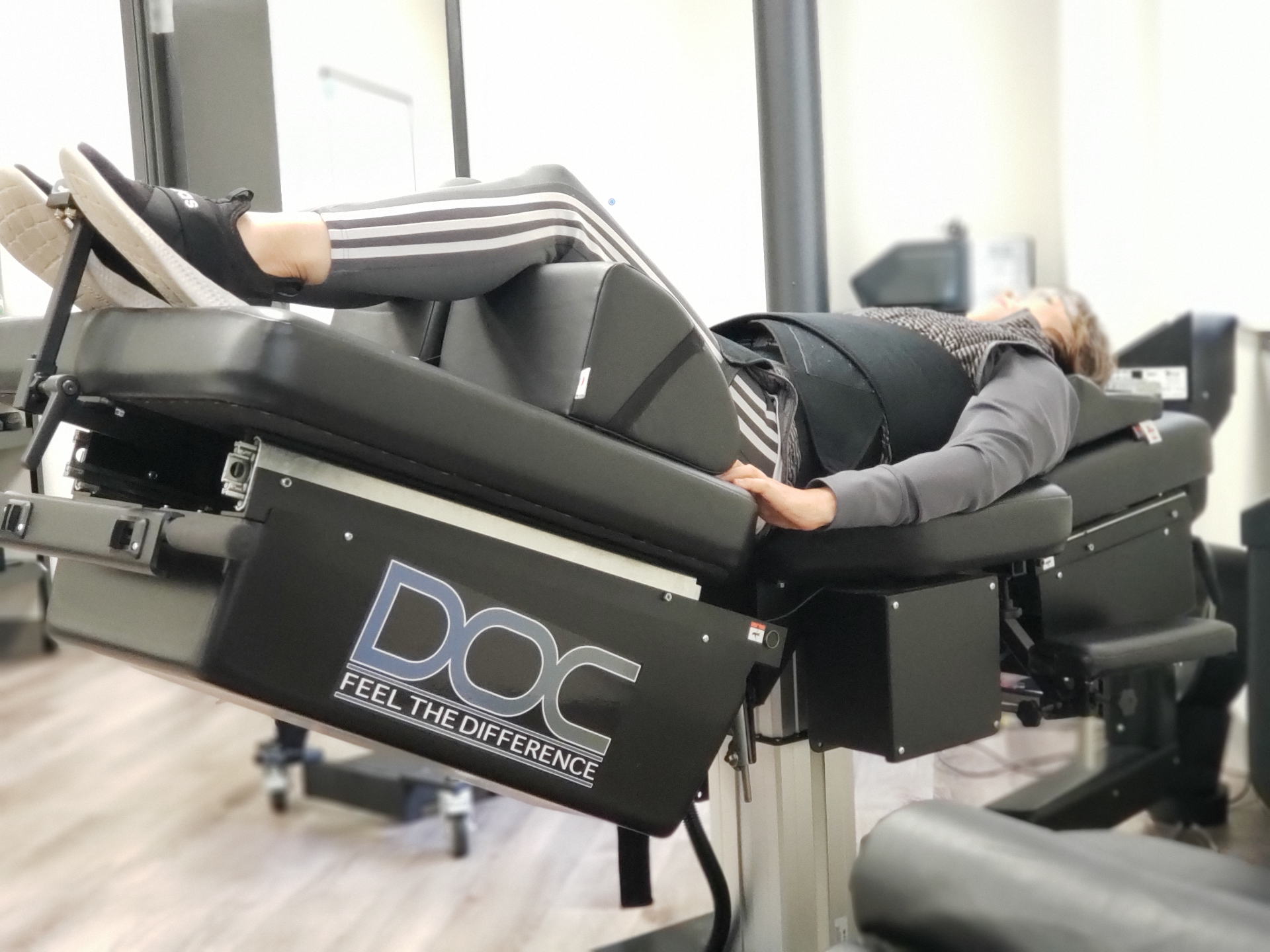
FDA-cleared computerized traction gently relieves pressure on compressed discs and nerves, addressing a common underlying cause of chronic back pain.
Laser Therapy
Cold laser therapy reduces inflammation, accelerates tissue repair, and provides drug-free pain relief at the cellular level.
Chiropractic Adjustments + Soft Tissue Work
Precise adjustments restore proper spinal alignment while soft tissue techniques release muscle tension and improve overall mobility.
Neurological Rehabilitation
Functional neurological therapies improve nerve function, balance, and muscle control, addressing both structural and neurological causes of back pain.
Why Choose Us for Back Pain Relief?
30+ Years Experience
Decades of back pain expertise
Functional Neurology Trained
All doctors trained in neurologic rehab
Drug-Free Relief
Natural, evidence-based
Integrated Team
Collaborative care approach
Long-Term Results
Not just temporary fixes
After 5 years of constant back pain, I finally have relief. I can play with my kids again. The team here truly gave me my life back!
Individual results vary. Testimonials reflect personal experience and are not a guarantee of outcome.
John S.
San Diego
I tried other chiropractors, but this place was different. Their combined approach meant my pain stayed gone. I wish I found them sooner!
Individual results vary. Testimonials reflect personal experience and are not a guarantee of outcome.
Sarah M.
San Diego
Frequently Asked Questions About Back Pain
Expert answers to common questions about back pain causes, treatment, and recovery in San Diego.
Related Conditions
Sciatica
Radiating leg pain often originates from the same spinal issues causing your back pain.
Learn about SciaticaHerniated Disc
Disc herniations are one of the most common structural causes of chronic back pain.
Learn about Herniated DiscSpinal Stenosis & DDD
Age-related narrowing and disc degeneration frequently drive persistent back pain.
Learn about Spinal Stenosis & DDDTreatments That May Help
Non-Surgical Spinal Decompression
FDA-cleared traction therapy that relieves disc pressure and reduces nerve compression.
View serviceChiropractic Care
Precise spinal adjustments to restore alignment and improve joint function.
View serviceLow-Level Laser Therapy
Cold laser therapy to reduce inflammation and accelerate tissue healing.
View serviceReady for Relief?
Don't let back pain hold you back. You deserve to live life without constant aches. Take action now and schedule a consultation to find out how our integrated back pain care can help you.
Call (619) 344-0111 or click below to book your appointment
More questions? Visit our FAQs page
Related Articles From Our Blog

Relieve Sciatica and Disc Pain with these 3 Low Back Stretches!
Dealing with sciatica and disc pain can be incredibly debilitating, affecting your daily life and overall well-being. Finding effective ways to alleviate the...
Read article
Solving the Mystery: Identifying the Signs of Spinal Arthritis
Spinal arthritis is a condition that is frequently linked to aging and can cause different symptoms all over the body. A distinct set of difficulties may arise...
Read article