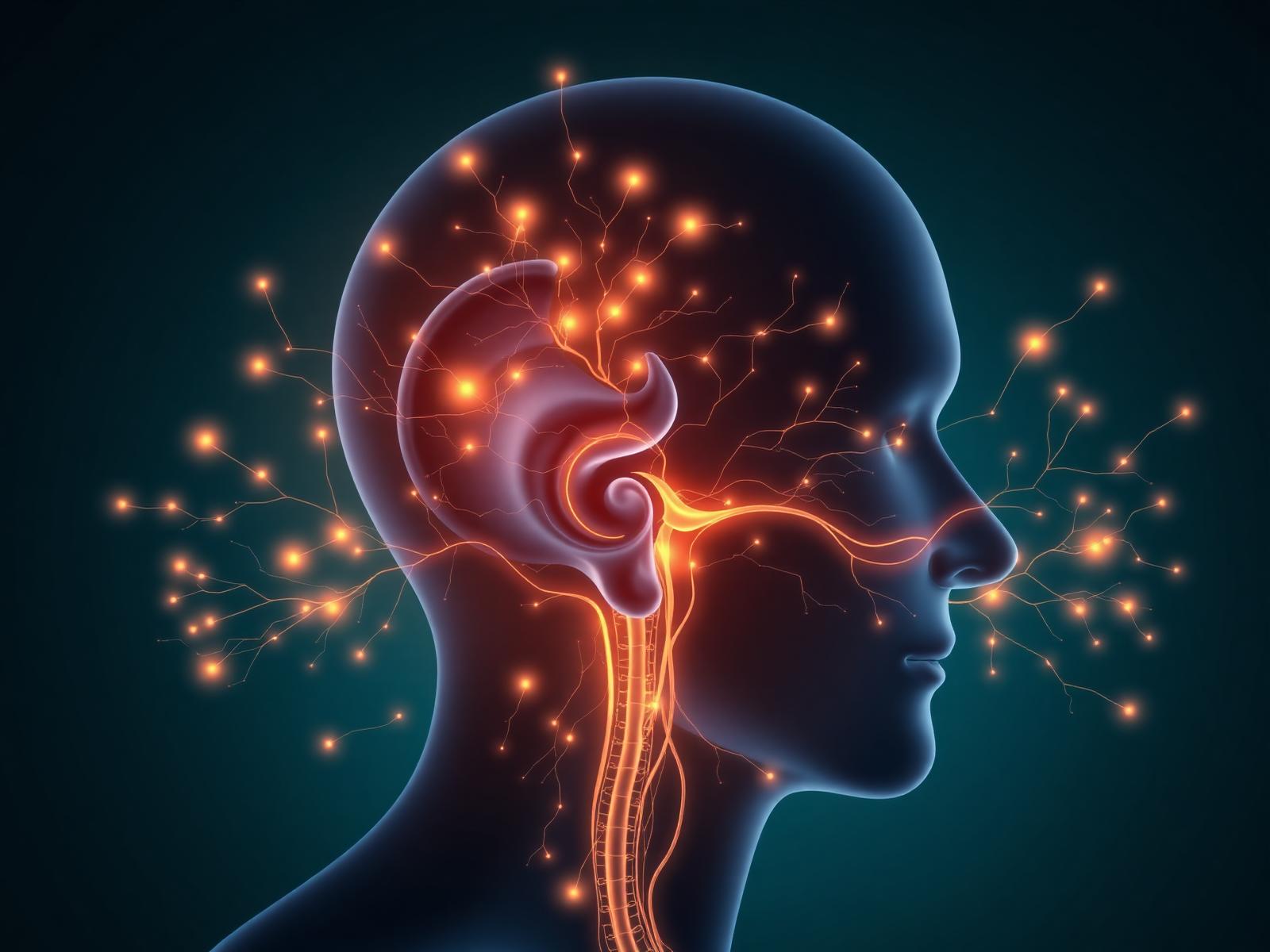
Why Chronic Vertigo Persists After BPPV Treatment
Most patients who come to us for vertigo treatment San Diego have already been through the standard pipeline. Their primary care doctor or ENT examined the ears, identified loose calcium crystals in the inner ear canal, performed or prescribed the Epley maneuver, and sent them home. For true BPPV, that is an appropriate response. The Epley maneuver works by repositioning dislodged otoconia back into the correct chamber of the inner ear, eliminating the false motion signal that causes brief intense spinning episodes. When BPPV is the actual diagnosis, the Epley resolves it.
The problem is that BPPV is not always the actual diagnosis.
When a patient completes the Epley and still feels spinning, chronic dizziness, or persistent imbalance days or weeks later, the most common clinical explanation is not that the crystals went back to the wrong place. It is that the vestibular problem was never peripheral in the first place. Central vestibular dysfunction - a disruption in how the brain processes signals from the inner ear, the visual system, and the spine simultaneously - produces symptoms that closely mimic BPPV but do not respond to repositioning maneuvers because no crystals are involved.
This is a scope limitation, not a diagnostic failure. ENT tools are designed to evaluate the peripheral vestibular hardware. The tests that detect central dysfunction - oculomotor assessment, gaze stability evaluation, vestibulospinal integration testing - fall outside the standard BPPV workup and are not routinely ordered.
Central vestibular dysfunction is not rare. It is underdiagnosed because the standard ENT workup is designed to evaluate the inner ear, not the brain's processing of vestibular input. Tests that would reveal central dysfunction - oculomotor assessment, vestibulospinal integration testing, gait analysis - are not part of a routine BPPV evaluation. So patients with central dysfunction get the Epley, feel no lasting relief, and are told their results are normal.
If you have been told everything looks normal and you are still symptomatic, the evaluation was probably not looking in the right place. Our clinicians assess the full vestibular system, not just the inner ear.
What Central Vestibular Dysfunction Actually Means
Vestibular conditions divide into two broad categories. Peripheral vestibular disorders originate in the inner ear itself. BPPV is peripheral. Vestibular neuritis is peripheral. These conditions involve damage to or disruption of the inner ear's sensory hardware, and the standard approaches to dizziness treatment San Diego - repositioning maneuvers, vestibular suppression medication, and standard balance exercises - are designed to address them.
Central vestibular dysfunction is different. The inner ear may be functioning normally. The problem is in how the brain integrates the signal. Your brain maintains orientation by combining input from three sources: the vestibular system, the visual system, and the position sensors in your joints and spine.
When the part of the brain responsible for interpreting those three streams together begins to process them inaccurately - due to injury, neurological change, or a compensation pattern that never fully resolved - the result is chronic dizziness, motion sensitivity, and imbalance that cannot be explained by the inner ear alone.
This distinction matters practically. BPPV treatment San Diego protocols are built around the assumption that the inner ear is the source of the problem. When central dysfunction is the actual source, those protocols are targeting the wrong structure. Standard vestibular rehabilitation designed for peripheral causes asks the inner ear to recalibrate itself. Central causes require the brain's processing circuits to be re-trained, which is a different set of interventions with a different evaluation process behind them.
Most patients with central vestibular dysfunction have been evaluated only for peripheral causes. That is why they are still symptomatic.
Vertigo Patterns We Evaluate in San Diego
Vertigo is a symptom, not a diagnosis. Several distinct mechanisms produce a spinning or swaying sensation, and each one behaves differently in the exam room. Recognizing the pattern is what determines whether care will help.
| Pattern | How it usually presents |
|---|---|
| BPPV | Brief, intense spinning triggered by rolling over, lying down, or looking up. Episodes last seconds to a minute and settle when the head is still. |
| Vestibular migraine | Episodes lasting minutes to hours, often with light or sound sensitivity, visual motion intolerance, or a migraine history. Position is not the reliable trigger. |
| Vestibular neuritis | A sudden, severe, constant spell lasting days after a viral illness, followed by weeks of unsteadiness while the brain compensates. |
| Cervicogenic dizziness | Unsteadiness and disorientation that tracks with neck pain, neck posture, and neck movement rather than with head position alone. |
| Post-concussion dizziness | Dizziness, visual overwhelm, and fatigue that began after a head impact and worsens with screens, busy environments, or exertion. |
| Persistent postural-perceptual dizziness | A constant background of swaying or rocking that is worse standing and in visually busy settings, often persisting after an initial vestibular event has resolved. |
These patterns overlap more often than most patients are told, and two can be present at the same time. That is why the evaluation screens across all of them rather than confirming the first plausible explanation. Nothing on this page is a substitute for an in-person examination.
How Our Team Evaluates Chronic Dizziness and Vertigo
Finding central vestibular dysfunction requires testing the components that standard BPPV workups skip. Our evaluation for patients with chronic dizziness San Diego covers four areas that map the full vestibular system rather than just the inner ear.
Oculomotor assessment examines how the eyes move and respond to motion stimuli. The eyes and the vestibular system are neurologically linked through the vestibulo-ocular reflex. Central vestibular dysfunction often produces measurable abnormalities in eye movement - nystagmus patterns, tracking errors, or gaze instability - that reveal which part of the vestibular processing circuit is affected. These findings are not visible on a standard ear examination and are missed when oculomotor testing is not performed.
Vestibular function testing evaluates the inner ear's signal output directly. This allows our clinicians to determine whether the vestibular hardware itself is functioning normally. If the inner ear tests clean but symptoms persist, the problem is in the processing pathway, not the source signal. That distinction changes the entire direction of the protocol.
Balance and gait analysis tests how the vestibular, visual, and proprioceptive systems perform when they are required to work together. Patients with central dysfunction often demonstrate specific patterns of instability under conditions that isolate different sensory inputs, revealing where the integration failure is occurring.
Cervical spine evaluation assesses whether restriction or dysfunction in the upper cervical spine is contributing to the dizziness picture. The upper cervical spine contains dense proprioceptive sensors that feed into the same brain regions that process vestibular input. Dysfunction here can produce dizziness that mimics peripheral vertigo, a pattern known as cervicogenic dizziness. For a deeper walkthrough of how this is diagnosed and treated, see our guide to cervicogenic dizziness treatment. When appropriate, our clinicians may also address cervical contributors using spinal decompression.
Most clinics check the inner ear and stop there. Our team maps the full system.
Still spinning after "everything looked normal"?
A normal inner ear exam does not rule out the central vestibular dysfunction that keeps your vertigo going. Our free consultation clarifies whether the full evaluation is the right next step for you.
- No referral needed
- No obligation, no pressure
- Speak directly with a clinician
Who We Work With for Vertigo in San Diego
We work with patients who have spent months or years looking for vertigo relief San Diego and still have symptoms because no evaluation has looked beyond the inner ear.
We work with patients who were cleared by an ENT, told their ears look normal, and sent home without an explanation for why they still feel off-balance, motion-sensitive, or chronically unsteady. A normal inner ear finding does not mean the vestibular system is functioning normally. It means the peripheral hardware is intact.
We work with patients who had the Epley maneuver performed - sometimes more than once - and felt temporary improvement before the dizziness returned. In many of these cases, partial relief followed by relapse points to a central processing component that the repositioning maneuver did not reach.
We work with patients who have been living with chronic dizziness for months or years with no clear diagnosis and no consistent explanation for what triggers or worsens their symptoms. These patients are often told stress, dehydration, or anxiety is the cause. Those factors may play a role, but chronic unresolved dizziness without a structural explanation usually means the structural source has not been fully evaluated. If autonomic symptoms or lightheadedness on standing are also part of the picture, those usually belong to POTS rather than a vestibular condition.
We work with patients who had vestibular neuritis or labyrinthitis and were told they should fully recover, but never did. Incomplete recovery from acute vestibular events is a recognized pattern in which the brain's compensation process stalls. When a vertigo doctor San Diego evaluates the full vestibular pathway rather than only the inner ear, the incomplete compensation pattern often becomes visible in the oculomotor or balance testing findings. When that stalled compensation leaves you unsteady on your feet between episodes, read how we approach chronic imbalance and balance disorders.
If concussion is the suspected origin of your dizziness, that evaluation follows a separate pathway.
What to Expect for Vertigo Care in San Diego
The first phase is the free consultation. Our clinical team reviews your symptom history, how long the dizziness has been present, what previous care you have received, and any imaging or prior vestibular test results. The goal is to understand whether your presentation fits the central vestibular profile and whether our evaluation approach is appropriate for your specific history.
The second phase is the evaluation and protocol design. Our clinicians perform the full vestibular assessment - oculomotor, vestibular function, balance and gait, cervical spine - and identify where in the system the dysfunction is occurring. This finding drives the protocol. The interventions selected for a patient with oculomotor dysfunction are different from those selected for a patient with vestibulospinal integration failure.
The third phase is the treatment course. Depending on evaluation findings, our team applies vestibular therapy, oculomotor rehabilitation, and cervical spine work in a coordinated sequence tailored to what the assessment revealed. Vertigo care San Diego at our clinic means the protocol follows the evaluation, not a pre-set menu of services.
What Recovery Realistically Looks Like
Recovery depends far more on the mechanism than on the severity of the spinning. Positional vertigo caused by displaced inner ear crystals frequently changes quickly once the correct canal is identified and repositioned. Dizziness driven by incomplete central compensation, a cervical contribution, or a post-concussion pattern responds to progressive retraining, and that takes weeks of consistent work rather than a single visit.
Progress is usually uneven. Most patients notice that symptom episodes become shorter or less intense before they become less frequent, and tolerance for busy visual environments tends to return last. Mild, temporary symptom provocation during rehabilitation exercises is expected and is part of how the brain recalibrates.
We do not predict a timeline or an outcome before the examination, and no clinic can honestly guarantee one. What the evaluation produces is a specific finding, a protocol matched to that finding, and a clear checkpoint at which we reassess whether the approach is working. If the findings point somewhere outside our scope, we say so and help you get to the right provider.
When Vertigo Needs Urgent or Medical Evaluation Instead
Rehabilitation is not the right first step for every dizzy patient. Seek emergency care immediately if vertigo or dizziness occurs alongside sudden severe headache, double vision, slurred speech, facial droop, weakness or numbness on one side, difficulty swallowing, loss of consciousness, or an inability to walk. Those combinations can indicate a stroke or another acute medical event and require an emergency department, not a clinic appointment.
A medical or ENT evaluation should come first when dizziness is accompanied by new hearing loss, drainage or pain in the ear, fever, or a recent change in blood pressure or heart medication. Fainting, chest pain, or palpitations point toward a cardiac or autonomic workup rather than a vestibular one.
Our team screens for these patterns during the consultation and refers out when the presentation calls for it. Coordinating with your ENT, neurologist, or primary care physician is a normal part of vestibular care, not an exception to it.
Vertigo Questions We Hear Most Often in San Diego
These are the questions that come up most often from patients who have already been through ENT care, performed the Epley maneuver, and are still looking for answers.
Serving Vertigo Patients Across San Diego
Our clinic works with vertigo and chronic dizziness patients from across San Diego County who have already been through ENT evaluations and standard vestibular care without lasting resolution. Patients travel to our office from throughout the region, including Escondido, Encinitas, Chula Vista, El Cajon, La Mesa, Santee, Poway, Kearny Mesa, and Mission Valley, as well as from San Diego proper. Many are specifically looking for vertigo treatment San Diego that goes beyond the Epley maneuver and addresses the central vestibular component their prior care skipped.
Our clinical team includes professional members of the Vestibular Disorders Association.
Related Articles From Our Blog
Home Remedies for Benign Paroxysmal Positional Vertigo (BPPV)
What is Benign Paroxysmal Positional Vertigo (BPPV) and is it serious? BPPV is a type of vertigo caused by small crystals of calcium moving in your inner ear...
Read articleWhich Ear Is Causing Your Vertigo - And Why It Keeps Coming Back
How clinicians identify which ear is triggering BPPV, what the Dix-Hallpike test shows, and why treating the wrong side makes the Epley maneuver fail.
Read articleStress & Vertigo: Is There A Connection?
Can stress cause vertigo? Yes, cortisol spikes, poor sleep, and anxiety can trigger dizziness and tinnitus. Learn the science and how to find relief.
Read articleWhen to see a vertigo specialist in San Diego
Looking for a vertigo specialist in San Diego? Learn what evaluation, vestibular rehab, and red flags matter when choosing care for dizziness.
Read articleSeeing a BPPV specialist for positional vertigo
Looking for a BPPV specialist in San Diego? Learn what a thorough vertigo evaluation includes and when positional dizziness needs prompt care.
Read article