Dizziness Treatment in San Diego
Stop the lightheadedness and unsteadiness. Our drug-free approach identifies why you feel dizzy and targets the root cause for lasting relief.
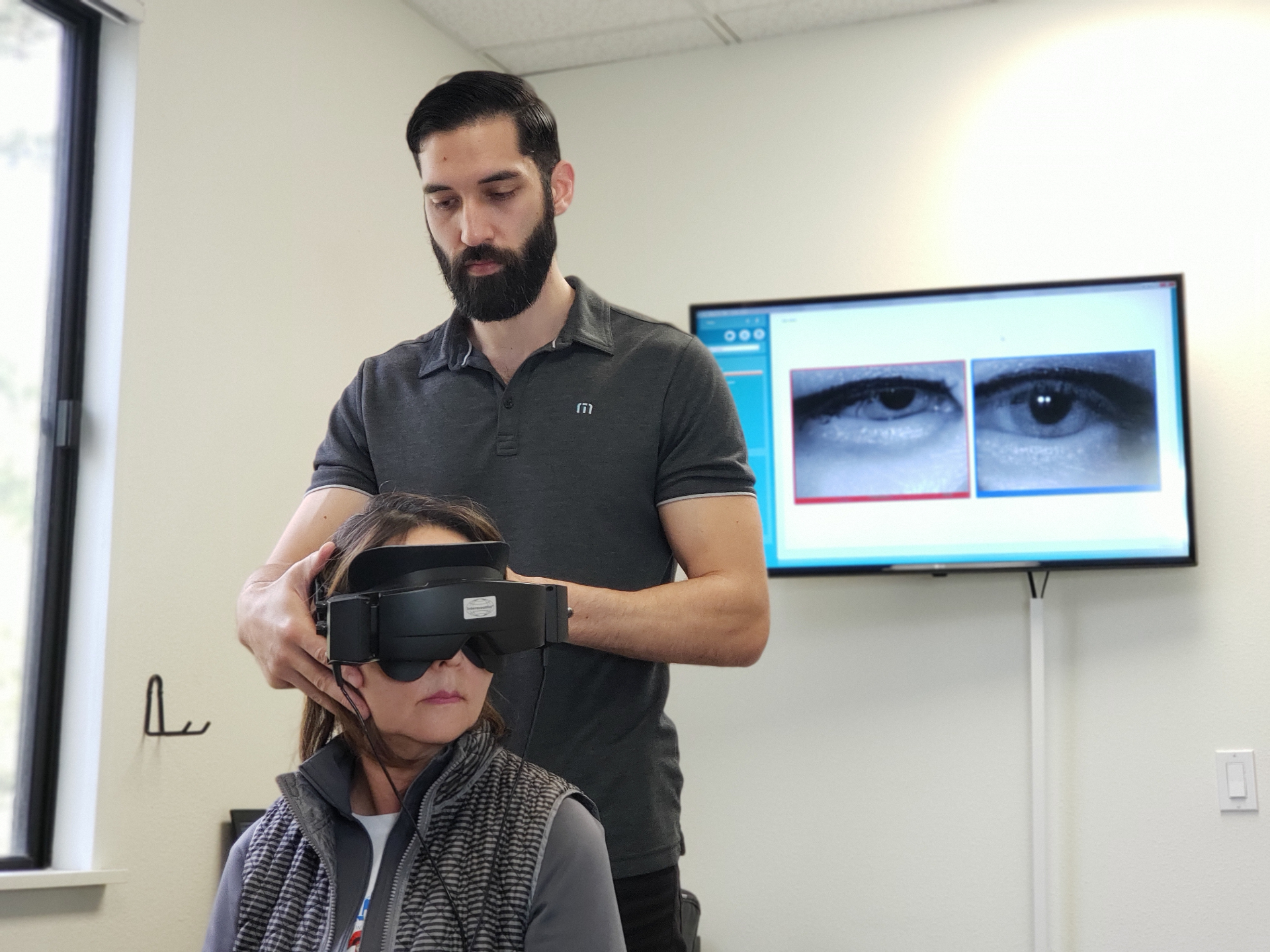
Why Am I Always Dizzy?
Dizziness is one of the most common reasons people visit a doctor, yet it remains one of the most poorly understood and frequently misdiagnosed symptoms in medicine. Unlike vertigo, which produces a clear spinning sensation, non-rotational dizziness often presents as lightheadedness, a floating or rocking feeling, brain fog, or a persistent sense that something is "off" with your balance.
Your brain relies on three sensory systems to maintain spatial orientation: the vestibular system (inner ear), the visual system (eyes), and proprioception (position sensors in your joints and muscles, especially the neck). When any of these systems sends inaccurate or conflicting signals, the result is dizziness. The challenge is that standard medical evaluations often focus exclusively on the inner ear, missing cervicogenic, autonomic, and visual contributions.
At San Diego Chiropractic Neurology, we evaluate all three sensory systems and the autonomic nervous system to identify exactly what is making you dizzy, then create a targeted plan to resolve it.
Do These Symptoms Sound Familiar?
If you're experiencing any of these, our comprehensive neurological approach can help.
- Lightheadedness or feeling faint when standing up
- Chronic unsteadiness or feeling off-balance throughout the day
- A floating or rocking sensation even when sitting still
- Brain fog and difficulty concentrating alongside dizziness
- Nausea or queasiness triggered by visual stimulation
- Anxiety about driving or being in crowded spaces
- Dizziness that worsens with head or neck movement
- Feeling like you are walking on a boat or uneven surface
What Causes Chronic Dizziness?
Understanding the root cause is the first step to lasting relief
Cervicogenic Dizziness
Dysfunction in the upper cervical spine (C1-C3) disrupts proprioceptive signals to the brain. When neck joints are restricted or muscles are tight, your brain receives inaccurate position data, creating a mismatch between what your neck, eyes, and inner ear are reporting. Learn more on our dedicated cervicogenic dizziness page.
Orthostatic Intolerance
When your autonomic nervous system struggles to regulate blood pressure during position changes, blood pools in the lower body upon standing. This reduces blood flow to the brain, causing lightheadedness, tunnel vision, and presyncope that can last seconds to minutes.
Vestibular Hypofunction
Reduced function in one or both inner ears sends weaker balance signals to the brain. Unlike vertigo (spinning), vestibular hypofunction typically produces a vague sense of unsteadiness, visual blurring with head movement, and difficulty walking in the dark.
Visual-Vestibular Mismatch
When your visual system and vestibular system send conflicting motion signals, the brain cannot determine whether you or the environment is moving. This commonly triggers dizziness in supermarkets, while scrolling on screens, or in visually busy environments.
Anxiety-Related Dizziness
Persistent Postural-Perceptual Dizziness (PPPD) is a recognized neurological condition where the brain becomes hypersensitive to normal motion signals. Anxiety amplifies this sensitivity, creating a cycle where dizziness produces anxiety, which worsens dizziness.
If your dizziness worsens with neck movement or posture, read our dedicated page on cervicogenic dizziness treatment for a full evaluation and treatment breakdown, or read our in-depth guide on how cervicogenic dizziness is treated.
If the dizziness started after a collision, the cervical injury itself is often the driver, and our whiplash injury care in San Diego addresses it directly. If instead your episodes are brief, intense spinning triggered by rolling over in bed or looking up, review how we evaluate and treat BPPV.
Our Dual Spine and Nerve Approach to Dizziness
Most dizziness has multiple contributing factors. Our approach addresses them all.
Conventional medicine typically treats dizziness with medication (meclizine, benzodiazepines) that suppresses symptoms but never addresses the underlying dysfunction. Worse, these medications can actually slow your brain's natural compensation process, prolonging recovery.
Our functional neurology approach is different. We identify exactly which sensory systems are sending inaccurate signals, which neural pathways are underperforming, and whether spinal or autonomic dysfunction is contributing. Then we create a targeted rehabilitation program that actively drives your brain toward recovery by strengthening the specific pathways that need it most.
Your 5-Part Dizziness Recovery System
A systematic approach to finding and resolving your dizziness
Comprehensive Neurological Assessment
We evaluate your vestibular, visual, and proprioceptive systems to identify exactly which pathways are generating inaccurate signals. This includes oculomotor testing, cervical proprioceptive assessment, and autonomic function screening.
Cervical Spine Evaluation
Upper cervical joint mobility, muscle activation patterns, and proprioceptive accuracy are assessed. Cervicogenic dizziness is one of the most commonly missed diagnoses, yet responds well to targeted treatment.
Vestibular Rehabilitation
Customized exercises retrain your brain to process balance signals more accurately. Habituation, adaptation, and substitution strategies are calibrated to your specific deficits and tolerance levels.
Autonomic Nervous System Regulation
Vagus nerve stimulation and graded exercise protocols improve blood pressure regulation and reduce the sympathetic overdrive that amplifies dizziness in many patients.
Progressive Sensory Integration
We systematically challenge your balance system with increasingly complex environments to build resilience, ensuring you can navigate real-world situations like driving, shopping, and exercise without symptoms.
Why Choose Us for Dizziness Treatment?
San Diego's trusted dizziness clinic with expertise in functional neurology and chiropractic care.
Root Cause Focus
We find why you're dizzy, not just mask symptoms
Functional Neurology Trained
Specialized in brain-based rehabilitation
Comprehensive Testing
Vestibular, visual, and cervical assessment
San Diego Experts
Trusted dizziness care team locally
Drug-Free Recovery
Natural, lasting relief without medication
For months I felt like I was on a boat, dizzy every single day. No one could figure out why. After my evaluation here, they identified a cervical spine issue I had no idea about. Within weeks of treatment, the dizziness was gone. I finally feel like myself again.
Individual results vary. Testimonials reflect personal experience and are not a guarantee of outcome.
Michael T.
Dizziness Patient, San Diego
Frequently Asked Questions
Common questions about dizziness, lightheadedness, and balance disorders.
Related Conditions
Vertigo
Spinning vertigo from inner ear disorders like BPPV and vestibular neuritis.
Learn about VertigoPOTS
Postural Orthostatic Tachycardia Syndrome causing lightheadedness and rapid heart rate.
Learn about POTSConcussion
Post-concussion dizziness and vestibular dysfunction after head injury.
Learn about ConcussionVertigo & Balance Disorders
Chronic unsteadiness, fall risk, and balance disorders that persist between dizzy episodes.
Learn about Vertigo & Balance DisordersTreatments That May Help
Vestibular Therapy
Balance retraining exercises to reduce dizziness and improve stability.
View serviceNeuro-Visual Rehabilitation
Oculomotor training to resolve visual-vestibular mismatch triggering dizziness.
View serviceVagus Nerve Therapy
Autonomic nervous system regulation for orthostatic and anxiety-related dizziness.
View serviceOur clinical team includes professional members of the Vestibular Disorders Association.
Ready to Stop the Dizziness?
You don't have to live with chronic dizziness. Our team is ready to find the root cause and help you feel steady again. Schedule a free 15-minute phone consultation.
Call (619) 344-0111 to speak with one of our doctors
Related Articles From Our Blog

Dizziness Treatment San Diego: Finding the Cause First
Looking for dizziness treatment in San Diego? Learn common dizziness causes, how a focused evaluation works, and when vestibular rehab may help.
Read article
What Kind of Therapy Helps With Dizziness? 4 Options That Work
Dizziness therapy options compared: Epley maneuver, vestibular and balance therapy, neuro-visual rehabilitation, and at-home remedies, plus how to know which one fits your cause.
Read article
Vertigo & Head Injuries: An Essential Guide to Maneuvering Dizziness after a Concussion or Traumatic Brain Injury (TBI)
Concussions also known as mild traumatic brain injuries (mTBI) are commonly talked about among the media nowadays with football players and other professional...
Read article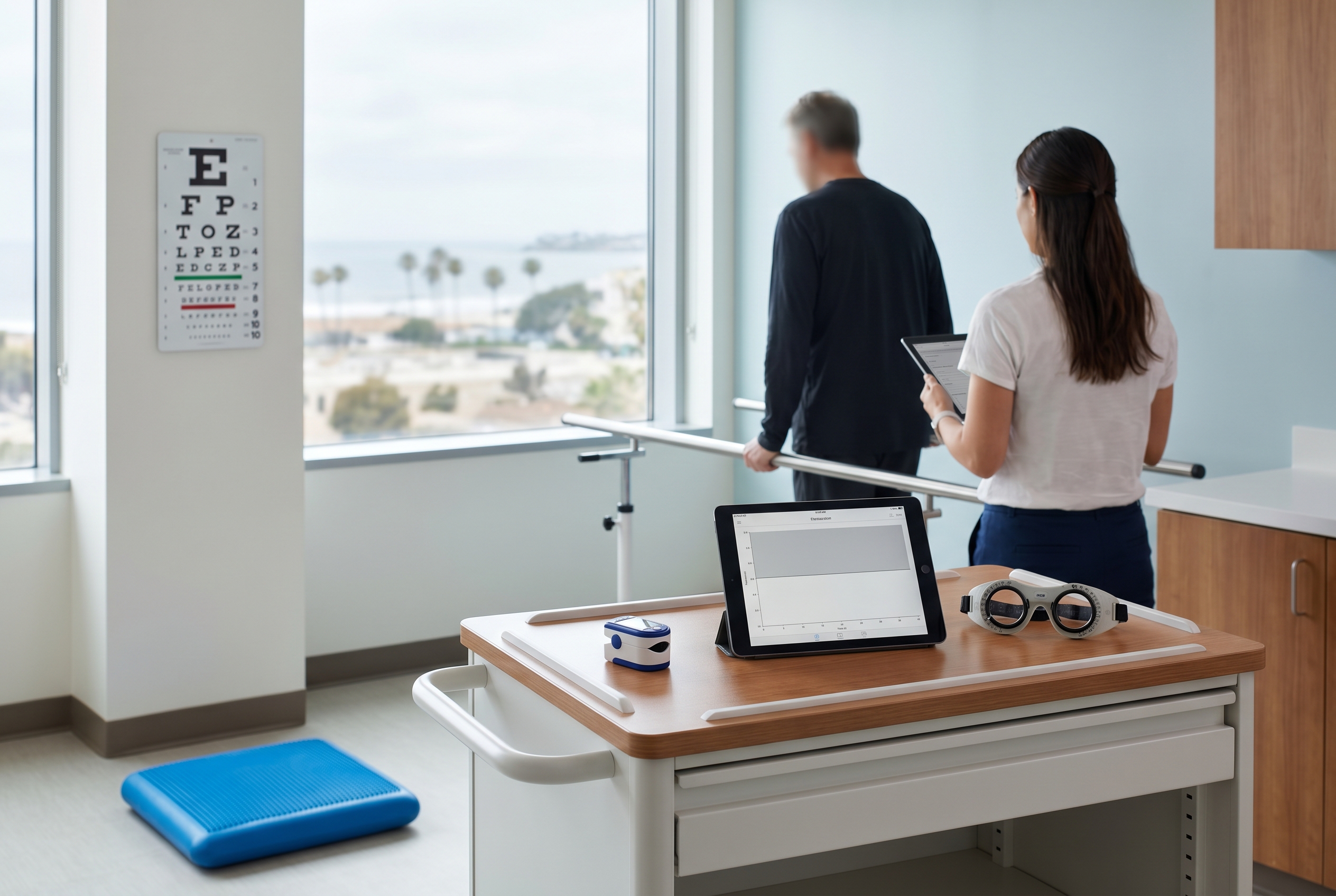
Chronic dizziness that will not settle: treatment options
Chronic dizziness treatment San Diego starts with a careful evaluation of vestibular, neurologic, visual, and autonomic factors affecting balance.
Read article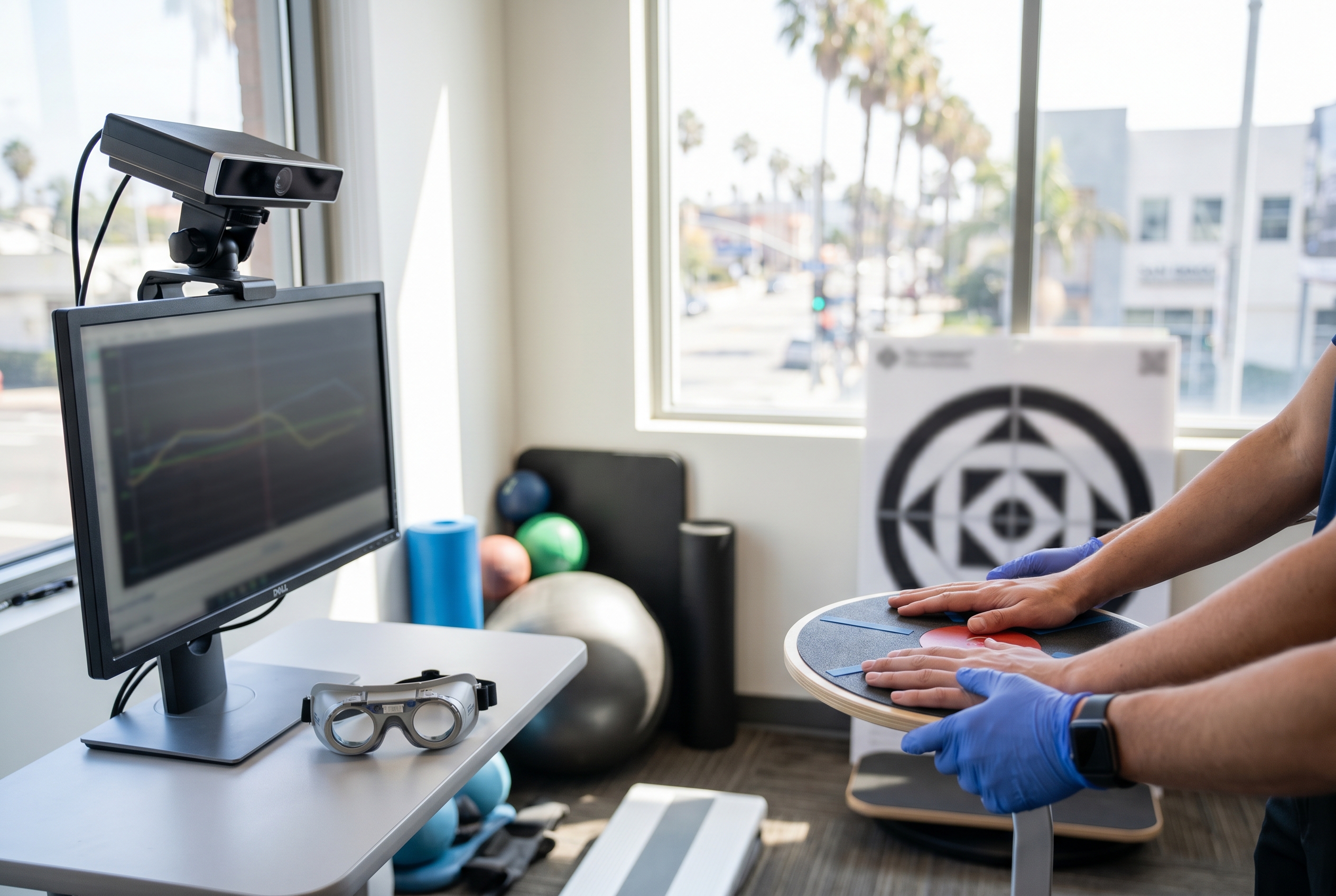
Dizziness after a concussion: how it is treated
Post concussion dizziness treatment in San Diego: vestibular, visual, cervical causes and what evaluation and rehabilitation may include.
Read article