Vertigo Treatment: Why Finding the Cause Comes First
Free phone consultation with our San Diego functional neurology team. No obligation.
Vertigo can make a normal day feel unstable in seconds. Some people feel the room spin. Others feel pulled to one side, off balance when walking, or dizzy when rolling over in bed. For people searching for vertigo treatment San Diego, one point matters most: vertigo is a symptom, not a final diagnosis. The right treatment depends on what is actually driving the dizziness.
According to the functional neurology team at San Diego Chiropractic Neurology, many patients are told they have “vertigo” without learning whether the problem is benign paroxysmal positional vertigo (BPPV), vestibular neuritis, vestibular migraine, post-concussion vestibular dysfunction, cervicogenic dizziness, or a condition that needs urgent medical evaluation. An exam-first approach helps separate these possibilities so care is based on findings rather than guesswork.
At San Diego Chiropractic Neurology, vertigo and dizziness evaluations focus on how the inner ear, eyes, brain, and body-position systems work together. Balance depends on vestibular input, visual input, and proprioceptive input. When one part is not coordinating well, symptoms can include spinning, rocking, nausea, visual motion sensitivity, imbalance, brain fog, and trouble tolerating busy environments.
Patients who want background on the clinic’s overall approach can review the practice’s vertigo condition page and vestibular therapy service page. This article goes deeper into how dizziness is evaluated and which treatments tend to fit specific patterns.
Why Accurate Diagnosis Matters for Vertigo Treatment in San Diego
There is no single best treatment for every person with vertigo. A repositioning maneuver may help one patient quickly, while another needs vestibular rehabilitation, migraine management, concussion-focused therapy, or referral for imaging or emergency evaluation. The first step is identifying the source.
Current clinical guidance supports positional testing and canalith repositioning for classic posterior canal BPPV, while discouraging routine imaging, vestibular suppressant medications, and broad testing when the presentation clearly fits BPPV. The updated BPPV guideline by Bhattacharyya and colleagues in 2017 reinforces how much bedside testing matters because this common disorder is often missed or managed inefficiently .
That matters in San Diego, where many patients arrive after trying to push through symptoms for weeks or months. Some were told to wait it out. Others had normal scans but still feel dizzy every day. A normal scan does not explain why dizziness is happening, and it does not replace a targeted vestibular and neurological exam.
Common Causes of Vertigo and Dizziness
BPPV: BPPV is one of the most common causes of spinning vertigo. It often causes brief episodes triggered by lying down, rolling in bed, looking up, or changing head position. The problem is mechanical: calcium carbonate particles move into a semicircular canal where they should not be, creating false motion signals. When symptoms and testing fit BPPV, a canalith repositioning maneuver can often help.
Vestibular neuritis: Vestibular neuritis often causes a more intense, sudden onset of vertigo that can last for hours to days, usually with nausea, imbalance, and motion sensitivity. Research supports vestibular rehabilitation as an important part of recovery. A 2024 meta-analysis by Huang and colleagues found vestibular rehabilitation is recommended for vestibular neuritis, and that combining rehab with steroids improved several short-term outcomes more than steroids alone in studied groups . A 2022 meta-analysis by Hidayati and colleagues found vestibular rehab improved patient-reported dizziness earlier, while corticosteroids improved some objective findings earlier, with less pronounced long-term differences .
Vestibular migraine: Vestibular migraine can cause dizziness, vertigo, visual motion sensitivity, light sensitivity, nausea, and imbalance with or without a strong headache during each episode. Reviews by Byun and colleagues in 2021 and Chu and colleagues in 2023 found that several preventive treatment options may help some patients, but the evidence is mixed and tolerability matters [4,5]. Care should be individualized. For some patients, vestibular rehabilitation and visual-vestibular retraining may also help. Patients with overlapping symptoms can review the clinic’s migraine-related neurological symptoms page.
Post-concussion vestibular dysfunction: Dizziness after concussion is common. A patient may feel off balance, visually overwhelmed in grocery stores, unable to tolerate reading or screens, or unsteady with quick head movement. In some cases, the problem involves the vestibular system directly. In others, it reflects a broader visual-vestibular integration problem. Patients dealing with these symptoms can review the clinic’s concussion page and neuro-visual rehabilitation page.
Cervicogenic dizziness: Some people develop dizziness connected to neck injury, whiplash, or altered neck-position awareness. This should be approached carefully. Neck dysfunction is not the explanation for every case of vertigo. Still, when the exam shows abnormal cervical proprioception, restricted neck movement, and symptom reproduction tied to cervical input rather than classic inner-ear findings, treatment may focus on cervical sensorimotor retraining and improving how neck, eye, and balance signals work together.
Central or urgent causes: Not all vertigo is benign. New neurological deficits, difficulty speaking, facial droop, sudden severe headache, fainting, chest pain, new one-sided weakness, acute hearing loss, or symptoms suggestive of stroke should not be managed as a routine office visit. One important job of a vertigo specialist San Diego patients can trust is triage.
What Happens During a Vertigo Evaluation
the team at San Diego Chiropractic Neurology’s approach starts with history, symptom pattern, triggers, and timing. A 10-second spinning episode when rolling in bed points in a different direction than constant dizziness after a viral illness or recurring attacks associated with migraine features.
A focused exam for dizziness treatment San Diego patients may include:
- Dix-Hallpike testing for posterior canal BPPV
- Supine roll testing for horizontal canal involvement
- Head impulse testing to assess vestibular reflex function
- Dynamic visual acuity testing
- Oculomotor screening for smooth pursuit, saccades, and gaze stability
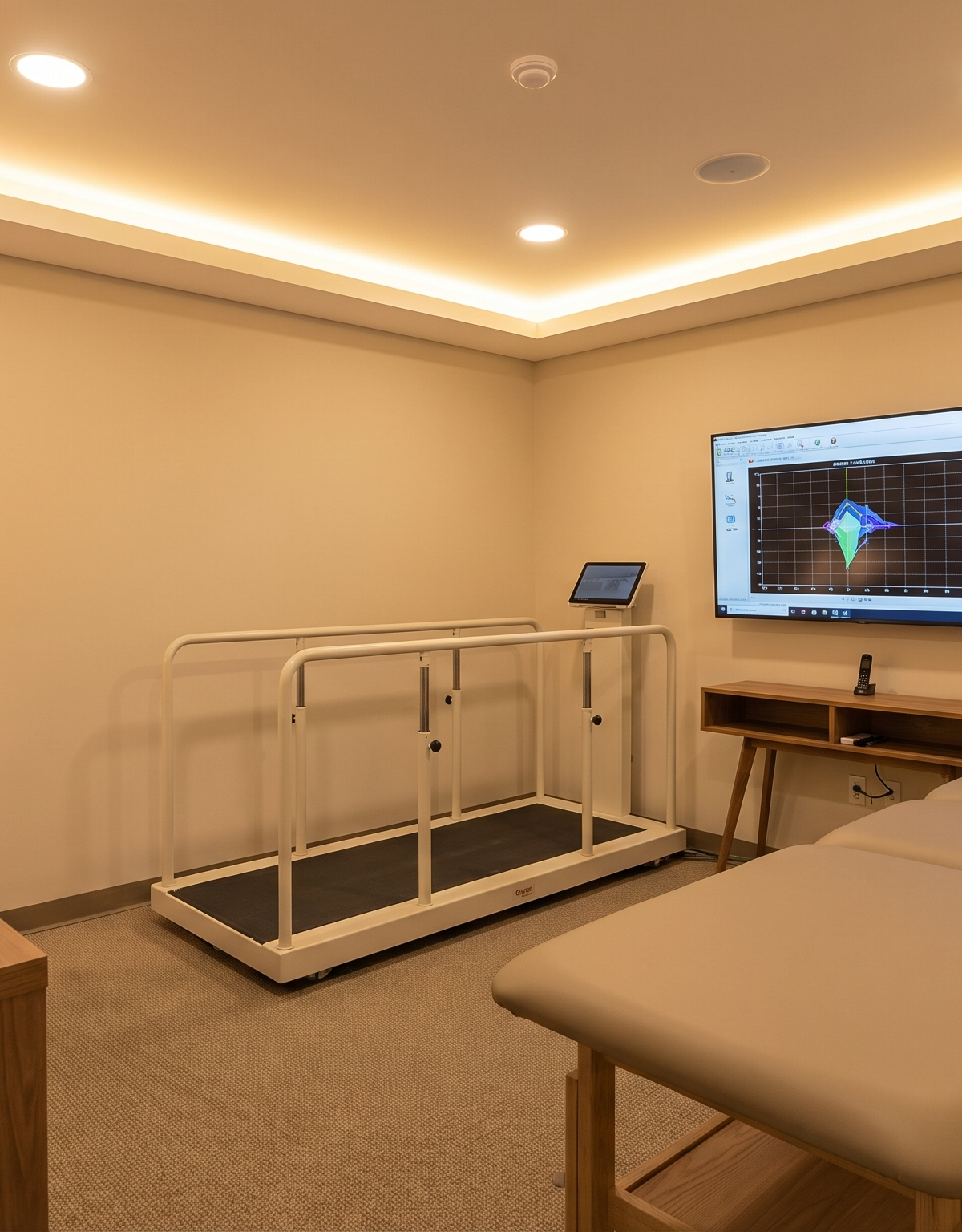
- Gait and balance testing
- Visual motion sensitivity assessment
- Cervical proprioceptive and neck movement evaluation
- Neurological screening for red flags or central patterns
This type of exam matters because two patients can both say “I’m dizzy,” yet require completely different care plans. One may need a single repositioning session. Another may need a progressive vestibular rehabilitation plan. Another may need co-management with neurology, ENT, urgent care, or emergency services.
How Vestibular Therapy Helps
Vestibular therapy San Diego patients receive should match the diagnosis. Effective vestibular rehabilitation is not one-size-fits-all. The purpose is to improve the brain’s ability to interpret motion and position accurately, reduce symptom provocation over time, and build steadier function in daily life.
Depending on findings, vestibular therapy may include:
- Canalith repositioning for BPPV
- Gaze stabilization exercises to improve vestibulo-ocular reflex function
- Habituation exercises for motion sensitivity
- Balance and gait progression
- Visual-vestibular integration work
- Head-eye coordination drills
- Cervical sensorimotor retraining when neck dysfunction contributes
- Return-to-activity progression for post-concussion patients
The goal is to apply the right stimulus at the right intensity based on the exam. When exercises are mismatched, patients often flare up or assume vestibular rehab does not work. The issue is often poor fit or poor sequencing.
Natural and Non-Drug Vertigo Treatment Options
Many people searching for natural vertigo treatment San Diego want to avoid over-relying on medications that can mask symptoms without resolving the underlying issue. An exam-first, rehabilitation-based approach can be appropriate for many dizziness presentations, especially when the cause is mechanical, vestibular, post-concussive, or related to sensory integration.
Non-drug strategies may include repositioning maneuvers, vestibular rehabilitation, visual-vestibular training, graded movement exposure, balance retraining, and guidance on activity pacing. In some cases, hydration, sleep quality, migraine trigger management, and autonomic regulation are also relevant. Patients with broader autonomic symptoms can also review the clinic’s POTS and dysautonomia page.
None of this means every patient should avoid medical care or medication. Treatment should fit the diagnosis and the person. Some patients benefit from medical management alongside rehabilitation. Others need referral before any office-based plan begins.
When to Seek Emergency Care Instead of Scheduling an Office Visit
Schedule an urgent medical evaluation or go to the ER if vertigo or dizziness appears with:
- New numbness or weakness
- Facial droop or trouble speaking
- Sudden severe headache
- Chest pain
- Fainting or near-fainting
- New acute hearing loss
- Persistent vomiting and dehydration
- New confusion, collapse, or severe trouble walking
These symptoms can suggest a more serious neurological, cardiovascular, or inner-ear emergency. Office-based care is appropriate only when urgent causes have been reasonably ruled out.
What San Diego Patients Often Want to Know Before Booking
Most patients are not just asking whether someone can treat dizziness. They want to know whether this is BPPV or something more complex, whether imaging or referral is needed, and what a focused vestibular exam can actually show. Good vertigo care is not about giving every patient the same exercise sheet. It is about identifying the pattern, explaining it clearly, and building a plan that fits the findings.
If you are looking for the best treatment for vertigo in San Diego, start by looking for a clinician who will test, differentiate, and explain. That is how BPPV gets identified quickly, how vestibular neuritis is managed more effectively, how vestibular migraine is not mistaken for a simple inner-ear problem, and how urgent red flags are taken seriously.
FAQ: Vertigo Treatment San Diego
What is the best treatment for vertigo in San Diego?
The best treatment depends on the cause. BPPV often responds well to canalith repositioning maneuvers. Vestibular neuritis commonly benefits from vestibular rehabilitation. Vestibular migraine, post-concussion dizziness, and cervicogenic dizziness usually need a more individualized plan based on the exam. The best starting point is an evaluation that identifies the source before treatment begins.
How do I know if my dizziness is BPPV, vestibular neuritis, or vestibular migraine?
The symptom pattern and exam findings help separate them. BPPV usually causes short bursts of spinning with position changes. Vestibular neuritis often causes more prolonged vertigo with imbalance after sudden onset. Vestibular migraine may include dizziness, motion sensitivity, light sensitivity, and headache or migraine history, but not always at the same time. Bedside positional, oculomotor, vestibular, and neurological testing is often needed.
Does vestibular therapy help chronic dizziness and imbalance?
Yes, in many cases it can help, especially when symptoms are related to vestibular hypofunction, motion sensitivity, post-concussion issues, or persistent imbalance after an inner-ear problem. The program should be customized. Generic exercises are less useful than a plan based on diagnosis, tolerance, and progression.
When is vertigo a sign that I should go to the ER instead of scheduling an office visit?
Go to the ER or seek urgent medical care if dizziness comes with new weakness, numbness, facial droop, slurred speech, severe headache, chest pain, fainting, sudden hearing loss, severe trouble walking, or other stroke-like symptoms. These are not routine office-visit complaints.
Can neck problems or concussion symptoms cause persistent dizziness?
Yes. Some patients develop dizziness after whiplash or concussion because of changes in cervical proprioception, visual-vestibular integration, balance processing, or autonomic regulation. That said, neck involvement should only be concluded after appropriate vestibular and neurological testing rather than assumed from symptoms alone.
Schedule a Vertigo Evaluation in San Diego
Patients dealing with spinning, imbalance, motion sensitivity, or ongoing dizziness should not have to guess which system is involved. the functional neurology team at San Diego Chiropractic Neurology, provides an exam-based approach to vertigo treatment San Diego patients can use to understand whether the problem is positional, vestibular, migraine-related, post-concussive, cervical, or something that needs referral.
To see how our San Diego team evaluates and treats vertigo, visit our vertigo treatment page. To schedule an evaluation, call (619) 344-0111 or book a consultation through San Diego Chiropractic Neurology.
Medical disclaimer: This article is for educational purposes only and does not provide medical advice, diagnosis, or treatment. Vertigo and dizziness can have benign or serious causes. If symptoms are sudden, severe, or associated with neurological deficits, chest pain, fainting, or acute hearing loss, seek emergency medical care. Individual treatment recommendations should be based on a qualified clinical evaluation, and patients should consult their licensed medical provider for personal guidance.
References
- Bhattacharyya N, et al. Clinical practice guideline: benign paroxysmal positional vertigo update. 2017.
- Huang et al. Meta-analysis of vestibular neuritis rehabilitation strategies. 2024.
- Hidayati et al. Vestibular rehabilitation versus corticosteroids in vestibular neuritis. 2022.
- Byun et al. Review of vestibular migraine treatment options. 2021.
- Chu et al. Vestibular migraine treatment review. 2023.
Not sure what is driving your symptoms?
Talk with our Functional Neurology Trained team on a free phone consultation. We will tell you honestly whether we can help.