Can Concussion Symptoms Come Back Months Later?
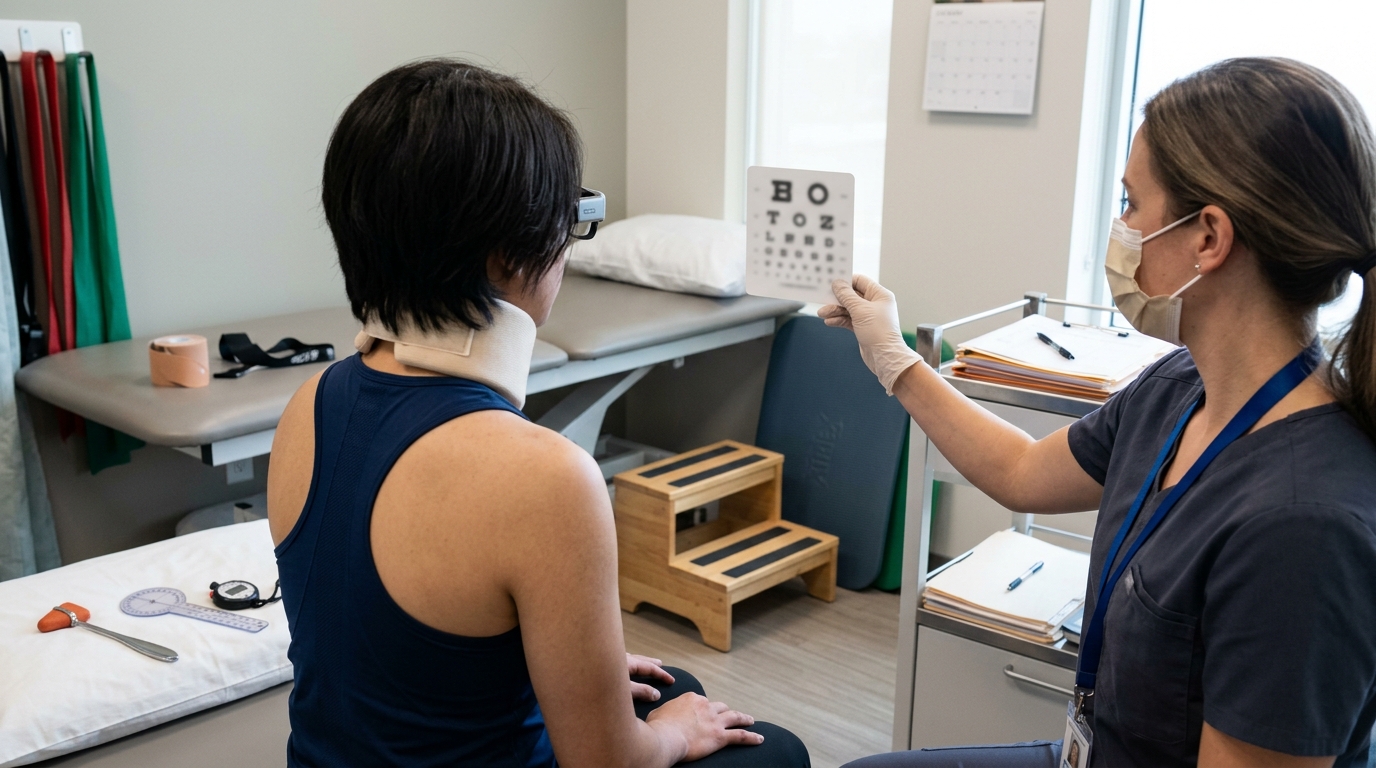
It can be unsettling when concussion symptoms seem to improve and then show up again weeks or months later. For many people, that raises an immediate question: was the brain injury never fully resolved, or is something new going on? In practice, the answer is often more layered. A concussion can leave several systems more sensitive for a while, including visual tracking, balance, neck function, exertion tolerance, sleep regulation, and autonomic control. If one or more of those areas was never fully restored, symptoms can flare back up when life gets busier or more physically demanding.
That does not automatically mean there is a new injury. It can mean that existing vulnerabilities were exposed by stress, poor sleep, illness, long hours on screens, exercise spikes, travel, or neck irritation. Modern concussion guidance supports active reassessment of those contributing factors instead of assuming that more passive rest is always the answer.
At San Diego Chiropractic Neurology, the focus is on identifying which systems may still be under strain and building a rehabilitation plan around those findings. That may include visual rehabilitation, vestibular therapy, graded exertion work, and neurologic rehabilitation strategies depending on the pattern of symptoms. People in San Diego often seek reevaluation after they return to work, school, sports, or travel and realize that headaches, dizziness, light sensitivity, brain fog, or motion sensitivity have started creeping back in.
Yes, Symptoms Can Return After Initial Improvement
Concussion recovery is not always a straight line. A person may feel significantly better, resume normal activities, and then notice headaches, dizziness, visual strain, fatigue, or cognitive symptoms returning. Consensus guidance on concussion recognizes that persistent or recurrent symptoms can reflect dysfunction across multiple domains rather than one single explanation.
For example, someone may do well in quiet settings but struggle again once work meetings, multitasking, exercise, or long drives return. Another person may feel fine until a period of poor sleep or emotional stress reduces their tolerance. In these cases, the symptom return may reflect a threshold problem. The system can handle a moderate load, but once the total demand crosses a certain line, symptoms reappear.
That pattern is one reason a thorough reevaluation matters. The issue may no longer be the initial injury alone. It may be the leftover impact on vestibular function, visual motion processing, cervical mechanics, autonomic regulation, or exertional tolerance that was never fully addressed.
Why Symptoms May Come Back Months Later
1. Activity increased faster than tolerance improved
Many people return to work, school, parenting, travel, or workouts before every system has fully caught up. They may be functioning, but with limited reserve. Once demands increase, symptoms such as headaches, dizziness, nausea, or mental fatigue can reappear.
2. Vestibular or visual issues were still present
Eye tracking, focusing, motion sensitivity, and balance systems are commonly affected after concussion. Some deficits are subtle enough to get missed unless they are tested carefully. When those issues remain, busy stores, scrolling, reading, driving, or gym activity can bring symptoms back.
3. The neck is contributing
Neck dysfunction after head injury can overlap heavily with concussion symptoms. Headaches, dizziness, light sensitivity, and a sense of disequilibrium may all worsen when cervical strain is part of the picture. That is one reason neck assessment is important in recurrent symptom cases.
4. Sleep, stress, and illness lowered resilience
Even when someone improved, poor sleep, a viral illness, dehydration, emotional stress, or long workweeks can reduce how well the nervous system handles stimulation. That can unmask symptoms that seemed to have faded.
5. Exertional tolerance was never fully rebuilt
Research increasingly supports active rehabilitation, including graded aerobic progression, after the acute rest period. If exertion tolerance was never rebuilt systematically, a return to intense workouts or demanding routines may trigger symptom recurrence.
What Symptoms Commonly Return
The most common returning symptoms include:
- Headaches or pressure in the head
- Dizziness or motion sensitivity
- Light or sound sensitivity
- Brain fog or slowed thinking
- Difficulty focusing or reading
- Fatigue after mental effort
- Nausea in busy environments
- Neck pain with headache or disequilibrium
- Exercise intolerance
These symptoms do not all point to the same underlying driver. That is why a symptom list alone is not enough. A clinical evaluation needs to sort out whether the main issue is vestibular, visual, cervical, autonomic, exertional, cognitive, or a combination.
Does This Mean Post-Concussion Syndrome?
Sometimes people use the term post-concussion syndrome when symptoms continue or reappear. The label can be useful as shorthand, but it does not explain what is actually causing the symptoms. Reviews of persistent post-concussive symptoms note that the picture is usually multifactorial rather than one fixed problem with one fixed solution.
A more practical question is this: what domains are still impaired, and what can be done about them? That is where a more focused assessment can be helpful. Instead of treating every returning symptom as identical, the goal is to identify the main bottlenecks and match them to a targeted plan.
What a Reevaluation Should Look At
When symptoms come back months later, a useful reevaluation should go beyond a basic symptom checklist. It should consider:
- Vestibular function, including gaze stability and motion sensitivity
- Visual tracking, convergence, and reading tolerance
- Cervical mobility, muscle tension, and neck-provoked symptoms
- Exercise tolerance and symptom response to graded exertion
- Sleep quality, recovery patterns, and daily load
- Autonomic stress responses such as lightheadedness, heart-rate sensitivity, or poor tolerance for standing and activity
- Cognitive strain patterns, especially around work, school, and screen use
For readers wanting a broader overview of concussion-related care, the clinic’s concussion page explains common symptom patterns and evaluation goals. Some people also benefit from focused work in vision therapy or vestibular therapy depending on what testing shows.
Common Triggers for Recurrent Symptoms
A few of the most common triggers include long screen days, heavy cognitive load, poor sleep, travel, intense exercise, crowded visual environments, neck flare-ups, dehydration, and illness. In real life, multiple triggers often stack together. A person may tolerate each one separately, but not all of them at once.
That pattern is especially common after returning to school or a demanding job. The workday may involve reading, meetings, fluorescent lighting, computer use, commuting, and stress. If vestibular and visual systems are still sensitive, that combination can be enough to bring symptoms back even months after the original injury.
Why Rest Alone Is Often Not Enough
Extended passive rest is no longer considered the default answer for lingering concussion issues. Current guidance supports a more active, individualized approach after the early stage, especially when symptoms persist or recur. That does not mean pushing through symptoms aggressively. It means identifying the right starting level and progressing in a structured way.
For example, someone with exercise intolerance may need graded aerobic rehabilitation. Someone else may need visual therapy because reading and scrolling are the main triggers. Another person may need neck-focused work or balance training because turning the head or walking through busy areas is the main problem. The more precise the evaluation, the more targeted the plan can be.
When to Seek Reevaluation
It makes sense to seek reevaluation if symptoms are returning often, interfering with work or school, limiting exercise, or making daily life feel unreliable. Reevaluation is also worth considering if symptoms only appear in busy visual settings, during workouts, or after long concentration periods. These patterns often point to specific systems that can be assessed and trained.
Urgent medical attention is still important for red-flag symptoms such as rapidly worsening neurologic status, new severe weakness, fainting, new speech difficulty, or other emergency changes. But for the more common pattern of old symptoms returning under load, a rehab-focused assessment may help clarify why that is happening and what to do next.
How San Diego Chiropractic Neurology Approaches Returning Concussion Symptoms
The clinic uses a rehabilitation-centered approach that looks at neurologic function in context. Rather than assuming one explanation for every returning symptom, the evaluation aims to identify whether visual processing, vestibular function, cervical mechanics, autonomic regulation, or exertional tolerance are part of the problem. Care recommendations are then matched to that pattern.
Depending on findings, a plan may involve vestibular rehabilitation, visual rehab strategies, graded activity progression, coordination work, or other functional neurology-based exercises designed to improve tolerance and reduce symptom provocation. Some patients also ask about broader supportive options such as vagus nerve therapy and stimulation; the clinic’s role is to support neurologic regulation and rehabilitation, not to make cure claims about concussion itself.
For many people, the turning point is not simply waiting longer. It is figuring out which systems never fully normalized and then addressing those findings directly.
What to Do Next if Symptoms Have Returned
If concussion symptoms have started coming back months later, start by noticing the pattern. What activities bring symptoms on? How long do they last? Are headaches linked to screens, driving, exercise, reading, or poor sleep? Does dizziness show up in stores, crowds, or head turns? Those details can make a reevaluation much more productive.
It also helps to avoid the two most common extremes: doing nothing and hoping it disappears, or trying to push through everything at once. A measured assessment and structured rehabilitation plan is usually the more useful middle path.
Call (619) 344-0111 or book a free consultation if you want a concussion reevaluation in San Diego and need help understanding why symptoms may be returning.
FAQ
Can concussion symptoms come back after months of feeling normal?
Yes. Symptoms can return if visual, vestibular, cervical, autonomic, or exertional issues were still present beneath the surface and later got triggered by stress, activity, or poor recovery habits.
What triggers concussion symptoms to flare up again?
Common triggers include poor sleep, stress, heavy screen use, demanding work or school schedules, intense exercise, illness, neck irritation, and visually busy environments.
Is it normal to have dizziness or headaches again long after a concussion?
It can happen, especially when certain rehabilitation targets were never fully addressed. Recurrent symptoms are worth reevaluating if they keep interfering with normal activity.
When should someone get checked again?
If symptoms are limiting work, school, exercise, driving, reading, or daily function, a fresh evaluation can help identify what is still contributing and what type of rehabilitation may help.
Medical disclaimer: This article is for educational purposes only and is not medical advice, diagnosis, or treatment. Individual symptoms and medical needs vary. Seek appropriate licensed medical care for urgent or worsening symptoms.
References
- Patricios J, et al. Consensus statement on concussion in sport: the 6th International Conference on Concussion in Sport—Amsterdam. Br J Sports Med. 2023. https://bjsm.bmj.com/content/57/11/695
- Leddy JJ, et al. Rehabilitation of Concussion and Post-concussion Syndrome. Sports Health. 2021. https://pmc.ncbi.nlm.nih.gov/articles/PMC3435903/
- Ellis MJ, et al. Clinical predictors of vestibulo-ocular dysfunction in pediatric sports-related concussion. J Neurosurg Pediatr. 2015. https://pubmed.ncbi.nlm.nih.gov/25122124/
- Silverberg ND, Iverson GL. Etiology of the post-concussion syndrome: physiogenesis and psychogenesis revisited. NeuroRehabilitation. 2011. https://pubmed.ncbi.nlm.nih.gov/21904086/