Call Now
    Migraine & Headache
    chronic migraine treatment San Diego
    vestibular migraine San Diego
    migraine specialist San Diego

    Migraine Treatment San Diego: When Recurring Headaches Need a More Complete Evaluation

    April 14, 2026Dr. Kamran Jahangiri
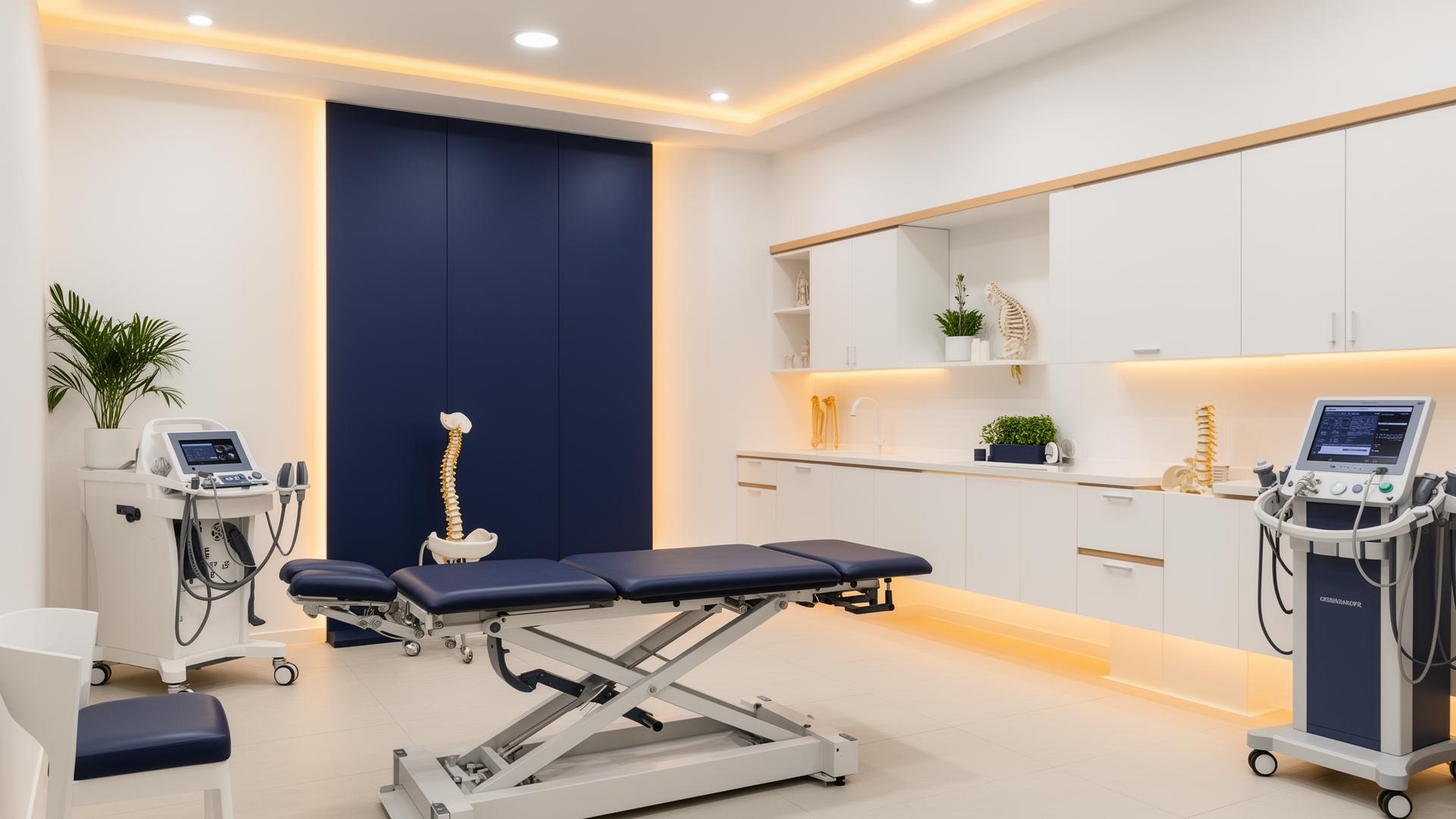
    Clinical evaluation for migraine symptoms in a San Diego neurology and chiropractic setting

    Migraine Treatment San Diego: When Recurring Headaches Need a More Complete Evaluation

    People searching for migraine treatment San Diego are often dealing with more than occasional head pain. Many are missing work, avoiding exercise, limiting screen time, or changing their day around light sensitivity, nausea, dizziness, or neck pain. Some have tried medication, urgent care visits, or online advice and still do not know why the pattern keeps returning.

    the team at San Diego Chiropractic Neurology, approaches migraine concerns with a broader clinical lens. Migraine may be a primary neurological disorder, but in some patients it overlaps with vestibular symptoms, cervical dysfunction, post-concussion problems, sleep disruption, autonomic stress, or medication overuse. That matters because the right treatment plan depends on getting the pattern right before trying to force a solution.

    Current research also shows a major gap between people who need migraine care and people who actually receive consultation, diagnosis, and minimally appropriate treatment. In the 2024 CaMEO-I study, only a small portion of those in need successfully crossed all of those care barriers. That is one reason a structured evaluation matters, especially when symptoms are frequent, changing, or interfering with daily life.

    Patients who want a foundational overview of migraine symptoms can start with migraine relief information here. This article goes deeper into the situations where recurring headaches deserve a more complete workup.

    Why Migraine Treatment Should Start With Pattern Recognition

    Migraine is not diagnosed by pain intensity alone. The pattern matters. A migraine episode may include:

    • Throbbing or pressure-like head pain
    • Light or sound sensitivity
    • Nausea or vomiting
    • Visual aura or other sensory symptoms
    • Dizziness or motion sensitivity
    • Neck pain or upper cervical tightness
    • Brain fog, fatigue, or poor concentration
    • Worsening with routine activity

    That list explains why patients are sometimes unsure what they actually have. Some recurrent headaches are migraines. Some are tension-type headaches. Some are cervicogenic headaches coming from the neck. Some are post-traumatic headaches after a concussion. Some are vestibular migraine, where dizziness or vertigo is a major feature. Some patients have overlap between more than one category.

    This is where a careful evaluation becomes useful. Rather than asking only, “How bad is the pain?” the better question is, “What neurological and mechanical pattern keeps showing up?”

    When to See a Migraine Specialist in San Diego

    It is reasonable to seek a more complete evaluation when headaches are becoming more frequent, more disruptive, or less responsive to what has worked in the past. A migraine specialist San Diego search usually reflects one of several common situations:

    • Headaches are happening multiple times per month
    • Symptoms are affecting work, driving, reading, or exercise
    • You are also dealing with dizziness, vertigo, or balance problems
    • Neck pain seems to trigger or worsen the headaches
    • Symptoms began or changed after a concussion or whiplash injury
    • Acute medications are being used frequently but relief is incomplete
    • You have been told it is “just stress,” but the pattern keeps progressing

    Research and guideline updates from 2024 emphasize that migraine prevention and treatment should be evidence-based and individualized. They also support the idea that patients with persistent migraine should not be left in a trial-and-error cycle without a clear diagnostic framework.

    Not Every Recurrent Headache Is the Same Problem

    Migraine

    Migraine is a neurological disorder that can involve moderate to severe headache, sensory sensitivity, nausea, and functional impairment. It may occur with or without aura. Some people have clear triggers, while others notice cycles tied to sleep disruption, hormonal shifts, stress, dehydration, or missed meals.

    Tension-Type Headache

    Tension-type headaches are often described as a band-like pressure or aching on both sides of the head. They are usually less associated with nausea, vertigo, or major sensory sensitivity than migraine. Even so, some patients can have both tension-type headaches and migraine.

    Cervicogenic Headache

    Cervicogenic headache begins from structures in the cervical spine and surrounding tissues. It can refer pain into the head because of trigeminocervical convergence, which is one reason it may mimic migraine. Patients may notice one-sided pain, reduced neck motion, pain with sustained postures, or headaches that start in the neck and spread forward.

    Post-Traumatic Headache

    After concussion or whiplash, some patients develop headache patterns that look very similar to migraine. They may also have dizziness, eye strain, balance problems, motion sensitivity, and difficulty tolerating screens. In these cases, a symptom label alone is not enough. The clinician also needs to evaluate vestibular, visual, and cervical contributors that may be prolonging recovery.

    Vestibular Migraine: When Migraine Includes Dizziness or Vertigo

    One of the most overlooked categories in vestibular migraine San Diego searches is the patient who says, “I am not sure if this is migraine because sometimes the dizziness is worse than the head pain.” That can happen.

    Vestibular migraine is an important consideration when episodes include:

    • Vertigo or a spinning sensation
    • Rocking, swaying, or motion intolerance
    • Sensitivity to busy visual environments
    • Nausea with head movement
    • Migraine history plus unexplained dizziness episodes
    • Dizziness that occurs with or without severe headache

    A 2022 practical review in Brain noted that vestibular migraine is a major diagnostic category for patients with migraine-associated dizziness, while treatment evidence is still developing. That means evaluation quality is especially important.

    For patients dealing with dizziness alongside headaches, related background information is available on the clinic’s vertigo page and vestibular therapy page.

    Chronic Migraine and Medication-Resistant Patterns

    Chronic migraine treatment San Diego patients often want to know why attacks have become more frequent or harder to control. In practice, several issues may be involved:

    • Preventive care has not been matched well to the patient’s pattern
    • Acute medications are being used too often
    • Sleep, stress physiology, and sensory load are pushing the nervous system repeatedly
    • There is unrecognized vestibular, cervical, or post-concussion overlap
    • The diagnosis is incomplete or too broad

    The International Headache Society’s 2024 recommendations and the American Headache Society’s 2024 position statement both reflect a more evidence-based approach to preventive treatment. That includes updated support for migraine-specific preventive options such as CGRP-targeting therapies in appropriate patients. A conservative neurology or chiropractic neurology assessment should not compete with that standard. It should help determine when coordination with medical migraine management is necessary and when adjunctive rehabilitation may add value.

    When Neck Pain Is Part of the Migraine Story

    Many San Diego patients search for migraine care because they notice a repeated connection between headaches and the neck. They may wake with upper neck stiffness, feel worse after desk work, or notice headaches after long drives, workouts, or previous injuries.

    That does not automatically mean the headache is purely cervical. Migraine itself can involve neck pain. But it does mean the neck should be assessed instead of ignored. Cervical joint restriction, muscle guarding, sensorimotor dysfunction, and postural intolerance can all complicate the migraine pattern.

    Patients wanting a broader view of conservative spine-related care can review the clinic’s chiropractic services page.

    Concussion History Can Change the Headache Picture

    If migraines became harder to manage after a concussion, sports injury, car accident, or other head or neck trauma, that history matters. Post-concussion patients often present with a mixed pattern that includes headache, dizziness, neck pain, eye strain, motion sensitivity, fatigue, and reduced tolerance for visual or cognitive tasks.

    A 2023 systematic review in the British Journal of Sports Medicine found that individualized cervicovestibular rehabilitation may improve recovery in patients with concussion-related dizziness, neck pain, and headaches lasting beyond the initial acute period. That does not mean every migraine patient needs the same rehab. It does mean concussion-related symptom persistence should not be treated as a one-size-fits-all problem.

    More information about that overlap is available on the clinic’s concussion page and vision therapy page for patients whose symptoms include visual strain or tracking intolerance.

    What a More Complete Migraine Evaluation May Include

    When the team at San Diego Chiropractic Neurology evaluates recurring migraine symptoms, the goal is not to make unsupported promises. The goal is to identify what pattern is most likely and what contributors may be keeping the nervous system reactive.

    A comprehensive evaluation may include:

    • Detailed headache history, including frequency, duration, triggers, aura, and disability
    • Review of dizziness, balance, vision, and motion sensitivity symptoms
    • Assessment of neck mobility, pain referral patterns, and cervical contribution
    • Screening for post-concussion history or unresolved trauma-related symptoms
    • Review of current medications and possible overuse patterns
    • Neurological examination tailored to symptom presentation
    • Vestibular and oculomotor screening when dizziness or visual symptoms are present
    • Discussion of sleep, stress load, and daily function
    • Identification of red flags that require medical referral or urgent care

    What Treatment Options May Be Part of the Plan

    The right migraine plan depends on the diagnosis. Patients should know that evidence-based migraine care may include both medical and non-drug components. The key is using each tool for the right reason.

    1. Guideline-Based Medical Management

    For many patients, acute and preventive migraine medications remain an important part of care. Recent guidance supports individualized selection of preventive treatment, and 2024 guidance from the American Headache Society recognizes CGRP-targeting therapies as a first-line option for prevention in appropriate cases. Patients with frequent, disabling, or poorly controlled migraine should discuss these options with the appropriate medical provider.

    2. Cervical and Functional Neurological Assessment

    When neck pain, movement sensitivity, or sensorimotor issues appear to contribute to the migraine pattern, targeted conservative care may be appropriate. That can include careful cervical management, movement-based rehabilitation, and monitoring of symptom response. This should be framed as adjunctive care, not as a replacement for accurate diagnosis or indicated medical treatment.

    3. Vestibular Rehabilitation

    For patients with vestibular migraine features or persistent dizziness, vestibular therapy may help address motion sensitivity, gaze instability, and activity intolerance. The benefit depends on selecting the right patient and matching the rehabilitation to the symptom profile.

    4. Visual and Oculomotor Rehabilitation

    Some migraine and post-concussion patients experience headaches that worsen with screens, reading, or visual tracking tasks. In those cases, visual assessment may reveal treatable oculomotor stressors contributing to symptom persistence.

    5. Autonomic and Trigger Management

    Sleep disruption, dehydration, inconsistent meals, high sensory load, and stress physiology can all lower migraine threshold. A treatment plan often needs to address those basics alongside any direct therapy. For some patients, broader nervous system regulation strategies may also be considered through services such as vagus nerve therapy and stimulation, when clinically appropriate.

    Patients looking for general answers about care pathways can also visit the clinic’s FAQ page.

    When Urgent Medical Care Is Needed

    Not every headache should be managed in an outpatient conservative setting. Immediate medical evaluation is important if a headache is:

    • Sudden and severe, especially if it peaks within moments
    • Associated with new weakness, numbness, confusion, or trouble speaking
    • Accompanied by fainting, seizure, chest pain, or shortness of breath
    • Associated with fever, stiff neck, or signs of infection
    • New after age 50 without clear explanation
    • Progressively worsening in an unusual pattern
    • Following significant trauma with concerning neurological symptoms

    Those red flags change the priority from symptom management to immediate medical assessment.

    Choosing Migraine Treatment in San Diego

    Patients searching for drug-free migraine treatment in San Diego often want to know whether there are options beyond repeated medication changes. That is a fair question, but it needs a careful answer. The strongest standard in migraine care is still accurate diagnosis plus evidence-based acute and preventive management. Conservative and non-drug strategies are best positioned as part of a broader plan, especially when symptoms involve dizziness, neck pain, post-concussion features, or visual strain.

    That is where a more complete evaluation can help. Instead of treating every recurring headache as the same problem, the team at San Diego Chiropractic Neurology evaluates whether the case is most consistent with migraine alone, vestibular migraine, cervicogenic overlap, post-traumatic headache, or a mixed presentation that needs coordinated care.

    If recurring headaches are affecting daily life, work, exercise, driving, or screen tolerance, it may be time for a more structured assessment. To discuss evaluation and treatment options, call (619) 344-0111 or book a consultation with San Diego Chiropractic Neurology.

    Frequently Asked Questions

    What is the difference between a migraine, a tension headache, and a cervicogenic headache?

    Migraine is a neurological disorder that often includes sensory sensitivity, nausea, and activity intolerance. Tension-type headache is more commonly a steady pressure without the same level of neurological symptoms. Cervicogenic headache originates from the neck and may refer pain into the head, sometimes mimicking migraine. Some patients have overlap, which is why a careful examination matters.

    When should I see a migraine specialist in San Diego?

    You should consider a specialist evaluation when headaches are frequent, disabling, changing in pattern, associated with dizziness or neck pain, or not improving with usual care. A structured assessment is especially useful when symptoms affect work, driving, screens, or exercise.

    Can migraine cause dizziness or vertigo even without severe head pain?

    Yes. Vestibular migraine can cause dizziness, vertigo, motion sensitivity, and visual discomfort, sometimes with minimal headache. This is one reason patients with unexplained dizziness should be evaluated carefully rather than assuming the issue is only an inner ear problem.

    What if migraine medications are not helping enough?

    If medications are not providing adequate relief, the diagnosis should be reviewed, medication use patterns should be assessed, and the patient may need an updated preventive strategy or evaluation for vestibular, cervical, or post-concussion overlap.

    Can a concussion or neck injury make migraines harder to control?

    Yes. Concussion and neck injury can add vestibular, visual, and cervical factors that increase symptom persistence. In those cases, migraine management may need to be combined with targeted rehabilitation rather than relying on rest or medication alone.

    Medical disclaimer: This article is for educational purposes only and does not provide medical advice, diagnosis, or treatment. Migraine and headache symptoms can have multiple causes, including urgent medical conditions. Always seek evaluation from a qualified healthcare professional for diagnosis and treatment recommendations, and seek immediate medical care for sudden severe headache or new neurological symptoms. Consult your provider before starting or changing treatment.