Spinal Decompression Near Me San Diego: What to Know Before You Schedule
Free phone consultation with our San Diego functional neurology team. No obligation.
Spinal Decompression Near Me San Diego: What to Know Before You Schedule
TL;DR: If you are searching for spinal decompression near me san diego in San Diego, the main question is not just whether decompression exists, but whether your symptoms, exam findings, and goals make it a sensible option. A careful evaluation should rule out red flags, check for nerve involvement, and compare conservative care with other non-surgical choices.
If you are searching for spinal decompression near me san diego in San Diego, the next step is usually not a quick promise. It is a structured evaluation that looks at pain behavior, posture, neurologic signs, and whether non-surgical care fits the problem. That matters because spinal pain can come from discs, joints, muscle guarding, or nerve irritation, and the plan changes based on the pattern.
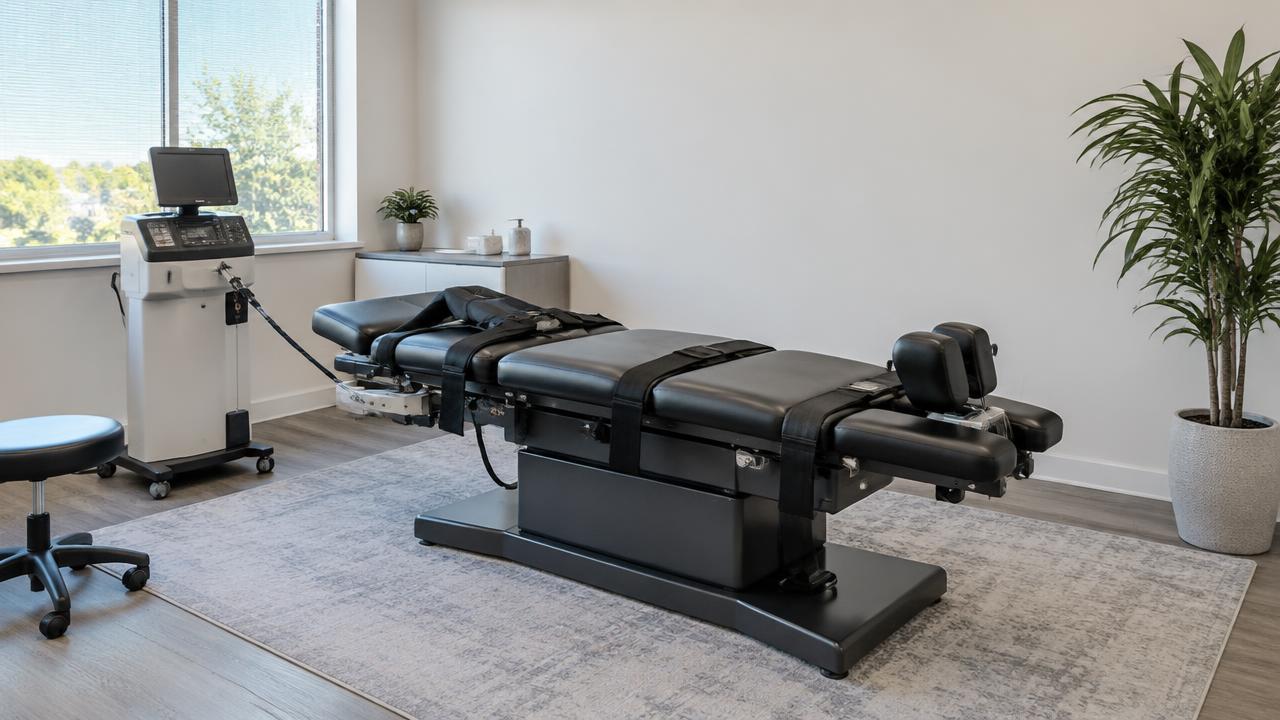
In a clinic setting, spinal decompression is best discussed as one part of a larger rehabilitation plan. It may be considered alongside movement guidance, symptom monitoring, and other conservative options when the history and exam support that approach. It is not a shortcut, and it is not the right answer for every back or neck complaint.
Spinal decompression is usually most useful when the goal is to reduce mechanical load on irritated spinal structures while the care team watches how symptoms respond. Spinal decompression should never replace a full evaluation when there is leg pain, numbness, weakness, or worsening symptoms.
Is spinal decompression near me in San Diego actually worth considering?
It may be, but only after the source of the pain is better understood. Some people have disc-related pain, others have stenosis, facet irritation, or mixed mechanical pain. The point of the visit is to sort out which pattern fits best.
What the evaluation should check
A good evaluation looks at symptom location, what makes pain better or worse, neurologic findings, and whether the pain travels into the leg or arm. When symptoms are changing quickly or becoming more intense, that deserves more caution.
How is non-surgical spinal decompression different from surgery?
Non-surgical decompression is a conservative care option. Surgery changes structure directly. Those are not the same decision. For many people, conservative care is discussed first because it may support symptom control without moving immediately to an invasive path.
Why that distinction matters
Patients often want a binary answer. Real-world care is more layered. Conservative care may help some people stabilize symptoms, while others need a surgical opinion sooner because of weakness, severe nerve signs, or persistent worsening.
What does standard care miss?
Standard care sometimes focuses too quickly on one scan, one medication, or one procedure. That can miss the broader pattern of how the spine, nervous system, and movement system are interacting. A more complete plan asks whether the issue is truly local, or whether posture, guarding, and neurologic sensitivity are part of the picture.
That broader view is where a clinic team can help. The goal is not to oversell decompression. The goal is to decide whether it fits the case and whether it should be paired with rehabilitation, activity changes, or another pathway.
What should I ask before I book?
Ask about candidacy
Ask whether your symptoms look like disc pain, nerve irritation, or another pattern. Ask what findings would make decompression more or less appropriate.
Ask about supervision
Ask how symptoms are monitored during care, what would count as a reason to stop, and whether the plan changes if pain starts traveling farther down the leg.
How does the clinic team frame care?
The clinic team focuses on evaluation, symptom behavior, and conservative rehabilitation. For some patients, that includes spinal decompression as part of a broader plan. For others, the better answer is a different non-surgical option or a referral for more advanced evaluation.
That approach helps keep the plan practical. It also keeps the conversation grounded in findings instead of hype.
FAQ
How do I know if spinal decompression is right for me?
It depends on the symptom pattern, exam findings, and whether the problem looks mechanical or nerve-related.
Does spinal decompression help herniated discs?
It may help some disc-related cases, but it is not universal and should be matched to the exam.
Is spinal decompression the same as traction?
They are related concepts, but the setup, goals, and clinical use can differ.
What if my pain goes down the leg?
That can suggest nerve irritation and should be evaluated carefully before any care plan starts.
Do I need a referral first?
Often no, but local rules and your medical history can change that.
Spinal decompression should be chosen because it fits the case, not because it sounds appealing. Spinal decompression is one tool inside a larger evaluation and rehabilitation plan. Spinal decompression is most useful when the team keeps watching how symptoms change.
Call (619) 344-0111 or book a free consultation.
Medical disclaimer: This article is for general education and is not a diagnosis or medical advice. Individual care decisions depend on a qualified evaluation.
non-surgical spinal decompression
References
- NIH/PMC review, 2023.
- PubMed clinical review, 2022.
- Peer-reviewed spine care guidance, 2021.
Not sure what is driving your symptoms?
Talk with our Functional Neurology Trained team on a free phone consultation. We will tell you honestly whether we can help.