Red Light Therapy Vision Examples and Retinal Health
Free phone consultation with our San Diego functional neurology team. No obligation.
Recent clinical breakthroughs show that red light therapy vision protocols can rejuvenate aging retinal cells and slow myopia. This guide covers data-backed examples from the American Academy of Ophthalmology and PubMed, highlighting how photobiomodulation (PBM) targets mitochondrial health to improve color contrast and visual stamina without surgery or pharmaceuticals.
Table of contents
- 1. Clinical-grade Erchonia Low-Level Laser Therapy facilitates deep retinal tissue repair.
- 2. Morning exposure to deep red light can significantly improve color contrast vision in aging eyes.
- 3. Red light therapy can reduce the rate of myopia progression in children and adolescents.
- 4. Specific 670nm wavelengths help recharge the 'batteries' of retinal cells to combat visual fatigue.
- 5. Photobiomodulation can improve the sensitivity of photoreceptors that decline after age 40.
- 6. Low-level light therapy provides a drug-free option for managing symptoms of dry eye.
- 7. Red light may offer neuroprotective benefits for patients with glaucoma.
- 8. Red light irradiation can be used to treat corneal damage and accelerate tissue repair.
- Integrating PBM with Neuro-Visual Rehabilitation
- Safety Protocols and Clinical Supervision
1. Clinical-grade Erchonia Low-Level Laser Therapy facilitates deep retinal tissue repair.
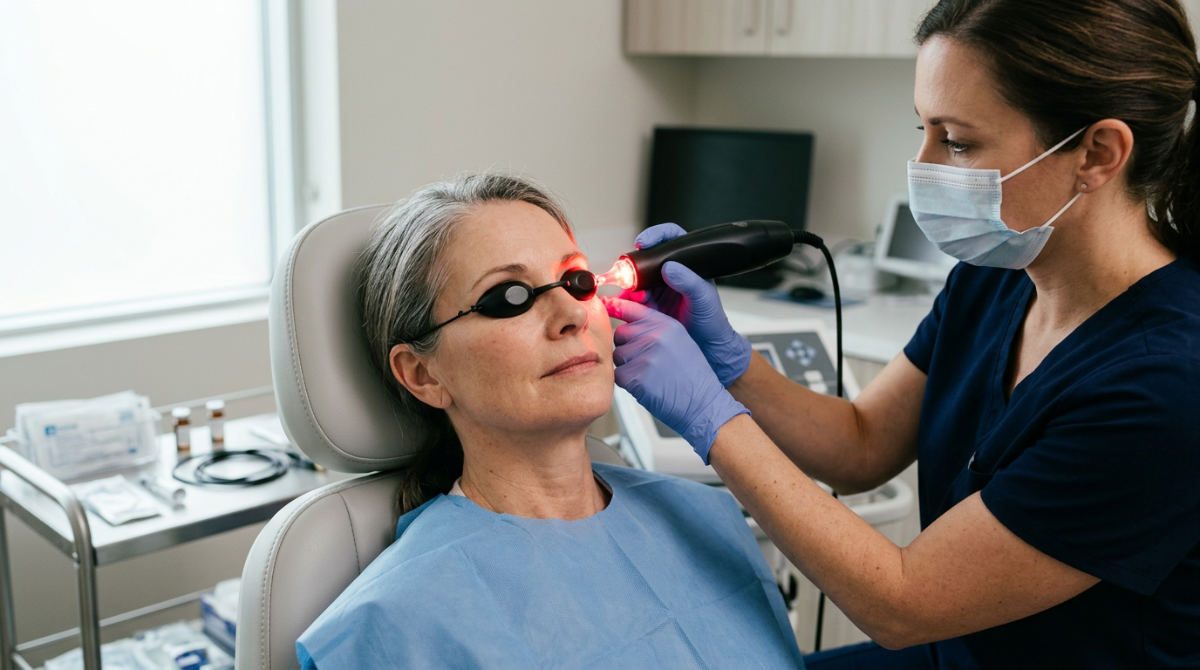
At SD Chiro Neuro, we utilize the Erchonia Low-Level Laser Therapy system, a clinical-grade cold laser designed to support tissue health and recovery. Unlike generic gadgets, this tool delivers precise, therapeutic energy to ocular tissues by specifically targeting cytochrome c oxidase in the mitochondria. This enzyme is the primary photoreceptor for red light. When stimulated, it triggers a cascade of cellular healing. We integrate this technology into our specialized clinical tracks to ensure vision improvements are supported by central neurological health.
"The retina is essentially an extension of the brain, and its metabolic demands are the highest in the body, making it susceptible to aging and decline."
We avoid the scatter-shot approach of retail devices in favor of coherent light that penetrates deeper into the ocular structures. This is a foundational element of how we address neuro-visual rehabilitation for patients who have suffered from concussions or other traumatic brain injuries.
Source: San Diego Chiropractic Neurology
2. Morning exposure to deep red light can significantly improve color contrast vision in aging eyes.
A single three-minute exposure to red light in the morning can provide vision benefits that last for a full week for those over age 40. Mitochondrial decline is a primary driver of vision loss as we age. A study published in Scientific Reports demonstrated a 17% average improvement in color contrast vision for participants over age 40 when using specific red light protocols. The treatment involves exposure to longwave deep red light to stimulate ATP production.
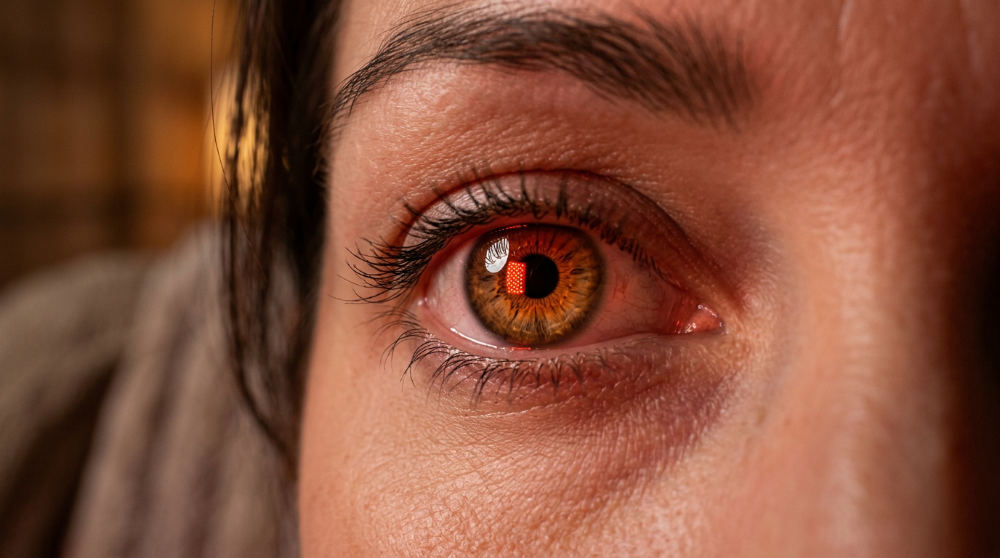
Timing is critical for these results. Improvements were only observed when therapy was performed in the morning, with no effect seen in afternoon trials. This suggests the retinal mitochondria have a circadian rhythm that dictates their receptivity to photobiomodulation. If you are struggling to distinguish between similar shades of blue or green, a morning dose of red light therapy vision stimulation could provide lasting benefits.
Source: Zen Eye Institute
3. Red light therapy can reduce the rate of myopia progression in children and adolescents.
Red light irradiation is being explored for its ability to impact eye growth patterns that lead to blurry distance vision. Nearsightedness is reaching epidemic proportions, but new research suggests that light can be a powerful tool for myopia control. Photobiomodulation has been studied for its potential to influence axial length changes in the eye. Clinical studies indicate that red light may increase choroidal thickness, providing a protective effect against the progression of the condition.
This serves as a non-invasive intervention by targeting ocular tissues directly to maintain the proper eye shape during growth spurts. Rather than relying solely on stronger lens prescriptions, this approach addresses the underlying structural changes in the eye. It represents a significant shift in how we handle pediatric vision health, moving toward biological stabilization rather than just optical correction. This technique provides a way to manage ocular development by stimulating metabolic pathways that keep the eye healthy.
Source: PubMed Central (PMC)
4. Specific 670nm wavelengths help recharge the 'batteries' of retinal cells to combat visual fatigue.
Applying a 670nm wavelength targets the energy-producing organelles in retinal cells that absorb red light to increase ATP. The retina is one of the most metabolically active tissues in your body. Retinal cells have the greatest density of mitochondria and incredibly high energy demands to process the constant stream of visual information. The 670nm red light wavelength is uniquely suited for this task because the enzyme cytochrome c oxidase absorbs it.
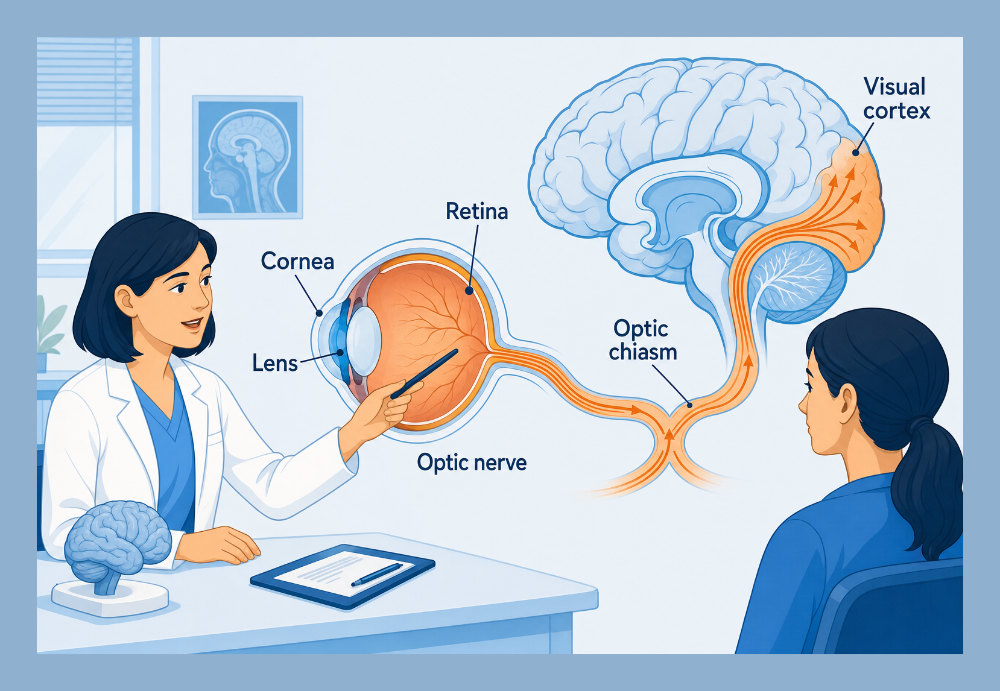
This absorption enhances ATP (energy) production within the retina, effectively recharging the cells. Recharging these mitochondria helps alleviate eye strain and supports healthy visual aging, especially for those working in high-stress environments or staring at screens for long hours. When these cellular batteries run low, you experience fatigue, blurring, and decreased focus. By providing the specific light frequency needed for energy synthesis, we can help the eyes keep up with the demands of the modern world.
Source: American Academy of Ophthalmology
5. Photobiomodulation can improve the sensitivity of photoreceptors that decline after age 40.
Red light exposure has been shown to support visual function in this age bracket by addressing the metabolic needs of rod and cone cells. Once you reach your 40s, the mitochondrial function in your retina begins to decline significantly. This leads to reduced light sensitivity, making it harder to see in dim environments or read small print without high-contrast lighting. The therapy acts as a drug-free alternative for age-related vision decline, focusing on cellular energy restoration rather than just compensating with glasses.
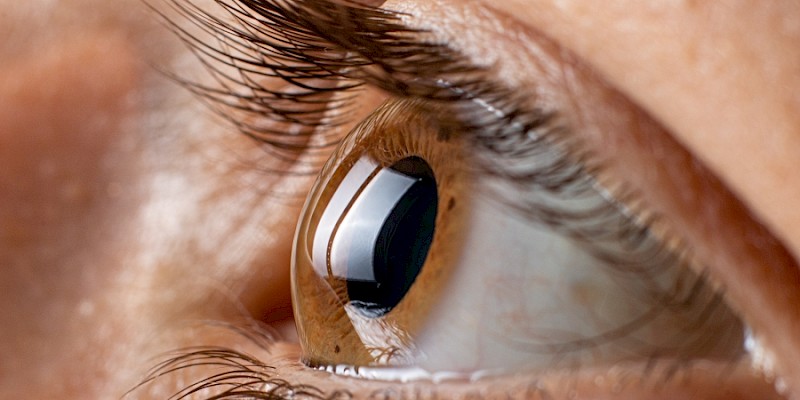 Image source: zeneyeinstitute.com
By improving the sensitivity of these photoreceptors, you can maintain better visual function well into your later years. At SD Chiro Neuro, we look at these ocular changes through the lens of functional neurology in San Diego to ensure your brain is also processing these visual signals efficiently. This holistic view ensures that as we rejuvenate the cells in the eye, the neural pathways remain sharp enough to interpret the improved data.
Source: American Academy of Ophthalmology
6. Low-level light therapy provides a drug-free option for managing symptoms of dry eye.
Red light therapy is being utilized as a non-pharmacological approach to help manage ocular discomfort. Dry eye is often more than just a lack of moisture. It is frequently caused by inflammation or dysfunction in the meibomian glands. It acts as a powerful anti-inflammatory treatment that targets the surface of the eye without the need for chronic medicated drops. For many, this approach offers a welcome non-surgical alternative to invasive procedures.
By reducing the local inflammation that clogs glands, red light allows the eye to resume its natural self-lubricating functions. This is particularly important for patients who find that standard artificial tears only provide temporary relief. Addressing the cellular health of the eyelid and ocular surface creates a more sustainable solution for chronic discomfort, allowing you to focus on your day without the constant irritation of scratchy, dry eyes.
Source: Allaboutvision
7. Red light may offer neuroprotective benefits for patients with glaucoma.
Recent research is investigating if red light can support the health of retinal ganglion cells by improving mitochondrial efficiency. Glaucoma is characterized by damage to the optic nerve, often driven by high intraocular pressure. While it is not a replacement for traditional pressure-lowering treatments, it is increasingly considered a supplementary therapy. The goal is neuroprotection: keeping the nerves alive even when the environment is suboptimal.
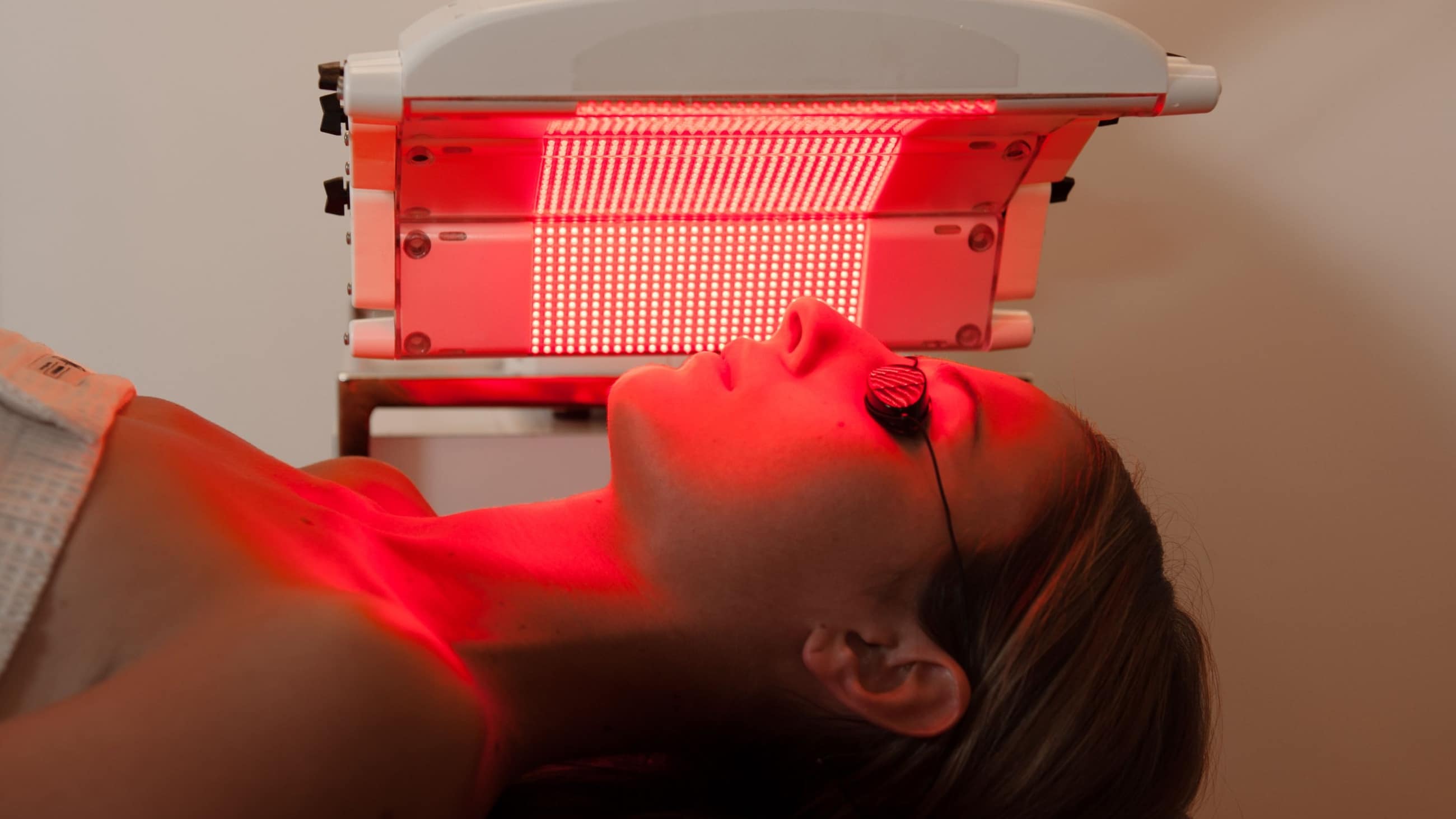 Image source: allaboutvision.com
This aligns perfectly with our focus on neurological resilience. If we can make the cells tougher and more efficient, we can potentially slow the rate of vision loss that occurs when the optic nerve is compromised. It is a proactive way to support the delicate connection between the eye and the brain, ensuring every possible metabolic advantage is given to the patient to preserve their sight.
Source: All About Vision
8. Red light irradiation can be used to treat corneal damage and accelerate tissue repair.
Photobiomodulation is being studied for its ability to support corneal recovery after injury by aiding the body's natural cellular processes. The cornea is the eye's outermost layer, making it vulnerable to scratches and environmental injuries. This helps to support the healing of surface-level ocular wounds. The therapy targets specific metabolic pathways to assist in the maintenance of clear vision during the recovery phase.
When the cornea heals too slowly or with excessive inflammation, it can lead to opacities that permanently blur sight. Red light irradiation provides metabolic support for the healing of the epithelial layer. For those who have experienced an injury, incorporating this light-based healing can be an important part of a recovery plan. We often recommend these advanced protocols as part of a comprehensive neuro-visual rehabilitation program to ensure the entire visual apparatus is functioning at its best.
Source: PubMed Central (PMC)
Integrating PBM with Neuro-Visual Rehabilitation
At SD Chiro Neuro, we believe that vision is more than just the eyes. It is a complex neurological process. The eyes capture information, but the brain must interpret it. Combining red light therapy with tailored neuro-visual rehabilitation exercises allows us to retrain neural pathways, not just ocular cells. For patients seeking neuro-visual rehabilitation in San Diego, we offer a comprehensive Neuro Path evaluation to determine if issues are purely ocular or rooted in central processing.
This integrated approach is vital for those needing brain injury therapy, as the eyes are the windows to the brain’s recovery status. When a patient suffers from a concussion or stroke, the metabolic demands of the brain skyrocket. By utilizing the 670nm wavelength, we can support the retina's energy needs while simultaneously performing exercises that challenge the brain to process visual data more efficiently. We often see that treating the physical structures of the eye with light therapy enhances the effectiveness of the functional neurology exercises we perform.
Safety Protocols and Clinical Supervision
While consumer red light glasses exist, they lack the precision of the clinical-grade tools we use. The Erchonia Cold Laser provides a coherent beam that can be precisely targeted to the required tissues. Safety is paramount in our clinic. Looking directly into high-intensity lasers without clinical supervision can be dangerous and may lead to unintended damage. Our team utilizes extensive clinical experience to provide safe, monitored light doses tailored to each individual's needs.
Before beginning any vision-based protocol, it is essential to rule out central processing issues that standard eye exams might miss. Many patients struggle with visual symptoms that are actually manifestations of vestibular or cortical dysfunction. If you are ready to explore drug-free vision support, you can learn more about our specific approach to functional neurology and start your recovery. We ensure every session is monitored to prevent overstimulation and to maximize the healing response of the nervous system.
If you would like to see how these advanced tools can benefit your specific condition, book a free vision consultation with our specialists today.
Frequently Asked Questions
Can red light therapy help with neuro-visual rehabilitation after a concussion?
Yes, red light therapy is a key component of our 'Neuro Path' clinical track for concussion patients. It helps reduce neuro-inflammation and supports the high energy needs of a recovering brain. We pair it with specific exercises to retrain how the brain and eyes communicate post-injury.
What is the difference between home red light glasses and the Erchonia Cold Laser used at SDCN?
Home devices are typically low-power LEDs with broad wavelengths and less penetration. The Erchonia Cold Laser is a clinical-grade tool that provides precise, coherent light for deeper tissue repair. SD Chiro Neuro uses this technology because it allows for more targeted, evidence-based outcomes than retail gadgets.
How does red light therapy assist in brain injury recovery compared to ARP Wave therapy?
Red light therapy focuses on mitochondrial health and ATP production in ocular and neural cells. ARP Wave therapy is often used for neuromuscular re-education and muscle atrophy, which addresses different recovery goals. For a full recovery, we often combine these modalities to treat both the nervous system and the physical structures of the body.
Where can I find neuro-visual rehabilitation or active release therapy in San Diego?
San Diego Chiropractic Neurology offers specialized neuro-visual rehabilitation and functional neurology at our local clinics. We also provide comprehensive care for those searching for active release therapy or spinal decompression therapy in San Diego. Our multidisciplinary approach ensures you get the right 'Path' for your specific neurological or spinal needs.
Not sure what is driving your symptoms?
Talk with our Functional Neurology Trained team on a free phone consultation. We will tell you honestly whether we can help.