Post Viral Dysautonomia San Diego: What Evaluation and Support May Include
Free phone consultation with our San Diego functional neurology team. No obligation.
People looking for post viral dysautonomia san diego are often trying to make sense of symptoms that started after an illness but did not fully go away. Dizziness when standing, rapid heart rate, fatigue, brain fog, exercise intolerance, nausea, and heat sensitivity can show up weeks or months after a viral infection. These symptoms can be frustrating because they may come and go, worsen with activity, and overlap with several different conditions.
The autonomic nervous system helps control automatic functions such as heart rate, blood pressure, breathing, digestion, temperature regulation, and pupil response. When that system is not adapting well, a person may feel lightheaded when they stand, shaky during routine activity, wiped out after mild exertion, or mentally foggy during the day. In some cases, the pattern may fit postural orthostatic tachycardia syndrome, often called POTS. In others, it may reflect orthostatic intolerance, post-viral autonomic stress, vestibular dysfunction, migraine overlap, medication effects, deconditioning, or another medical condition that needs a different workup.
At San Diego Chiropractic Neurology, the role of care is not to replace primary care, cardiology, neurology, or emergency medicine. The clinic’s role is to help identify symptom patterns, support referral when needed, and build a rehabilitation plan that may improve autonomic tolerance, neurologic performance, movement confidence, and day-to-day function. Conventional medical care focuses on diagnosis, safety, and medical treatment. Functional neurology and rehabilitation focus on how the nervous system is performing and how carefully graded strategies may support tolerance and recovery.
What post-viral dysautonomia means
Post-viral dysautonomia is a broad descriptive term, not a single diagnosis. It describes autonomic symptoms that develop or become more noticeable after a viral illness. Some people notice trouble standing in line, showering, walking through a store, or exercising. Others mainly report brain fog, fatigue, temperature sensitivity, palpitations, or a sense that their body is no longer regulating effort well.
The key point is that these symptoms deserve a differential evaluation. A person can have orthostatic symptoms from dehydration, anemia, medication side effects, migraine, concussion history, vestibular dysfunction, reduced conditioning, cardiovascular issues, endocrine problems, or autonomic disorders such as POTS. Guidance from autonomic experts emphasizes structured history, orthostatic vitals, and clinical reasoning rather than assuming every dizzy patient has the same explanation.
This is also why patients searching for local help should be cautious about oversimplified promises. A good evaluation asks what symptom pattern is present, what medical issues need to be ruled out, and what supportive strategies may improve daily function.
Common symptoms after a viral illness
Post-viral autonomic symptoms often include more than one complaint. Common patterns include:
- Lightheadedness or dizziness when standing up
- Rapid heart rate with upright posture or mild activity
- Fatigue out of proportion to the effort performed
- Brain fog, poor concentration, or slowed mental endurance
- Exercise intolerance or delayed recovery
- Heat intolerance
- Nausea or digestive disruption
- Headache or migraine overlap
- Visual motion sensitivity or feeling worse in busy environments
- Feeling better lying down than standing
These symptoms can overlap with conditions discussed on the clinic’s POTS, vertigo, and concussion pages. In San Diego, many patients delay care because they think symptoms will fade on their own. Sometimes they do improve with time, but persistent orthostatic or neurologic symptoms often benefit from a clearer plan.
Is post-viral dysautonomia the same as POTS?
No. POTS is one specific orthostatic syndrome within the larger group of autonomic problems. A patient can have post-viral autonomic symptoms without meeting formal criteria for POTS. They may instead have orthostatic intolerance, deconditioning, vestibular overlap, migraine overlap, medication-related symptoms, or another pattern that needs a different approach.
This distinction matters because treatment decisions depend on the pattern. A patient with a primarily vestibular problem may need more gaze stabilization and balance work. A patient with orthostatic symptoms may need careful hydration, pacing, and graded upright tolerance work. A patient with red-flag cardiac symptoms may need prompt medical assessment before any rehabilitation plan begins.
That is why the article keeps two layers separate. The conventional medical layer focuses on diagnosis, safety, referral, and medical treatment. The rehabilitation layer focuses on how the nervous system tolerates posture, movement, visual load, exertion, and daily activity, then builds a symptom-aware progression from that starting point.
What an evaluation may include
A useful evaluation begins with a careful symptom history. Important details include when symptoms began, whether they follow standing or exertion, how long recovery takes, and what makes them worse or better. Depending on the patient, an evaluation may include:
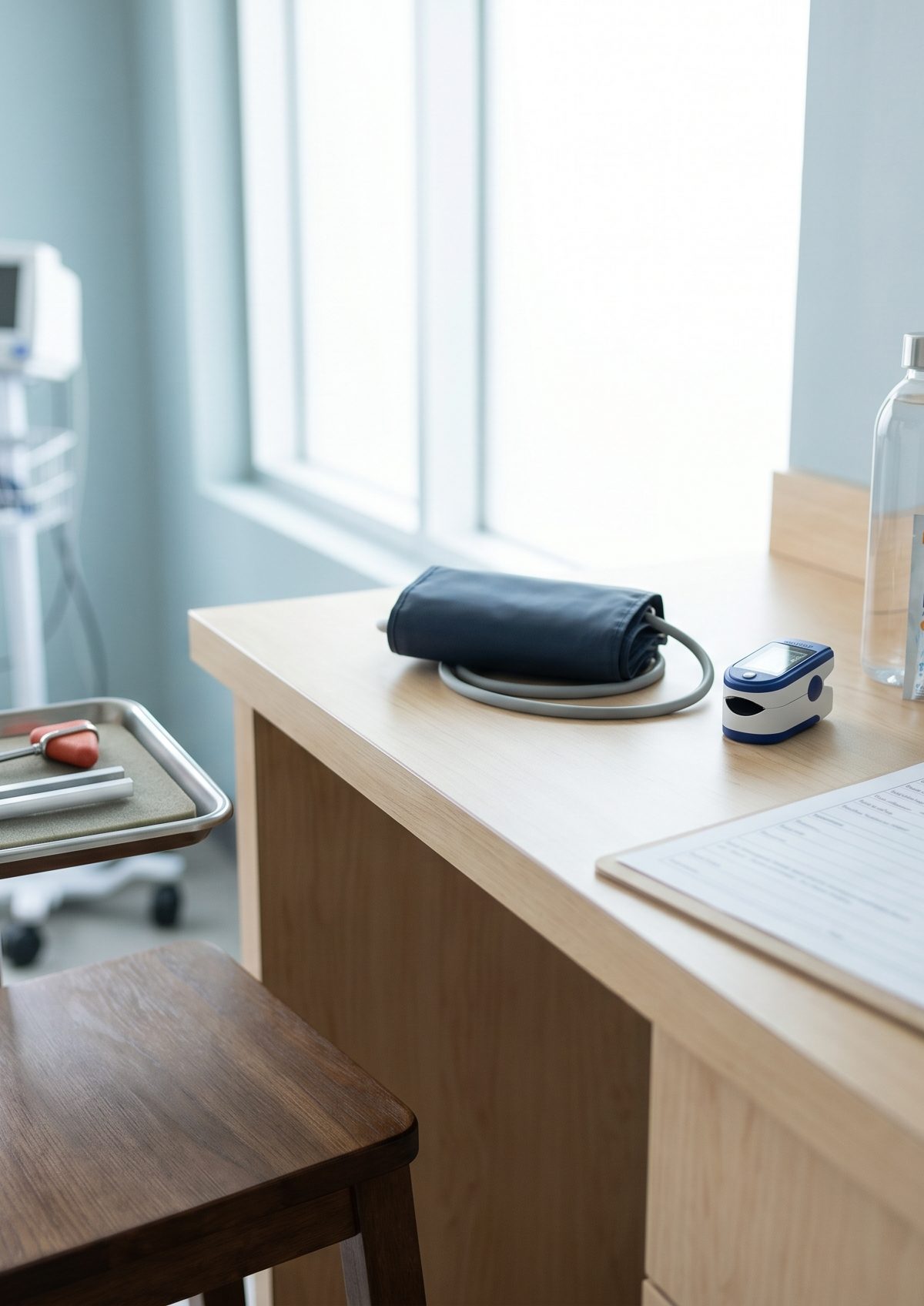
- Orthostatic vitals, including heart-rate and blood-pressure changes with position changes
- Review of prior medical workup, specialist notes, medications, and labs when available
- Screening for vestibular, visual, cervical, migraine, or concussion-related contributors
- Assessment of exercise tolerance, pacing capacity, and recovery pattern
- Balance and gait testing
- Review of sleep, hydration, fueling, and heat or stress triggers
Some patients also need outside medical testing such as cardiology review, neurologic evaluation, lab work, or formal autonomic testing. That is why the phrase dysautonomia evaluation san diego can mean different things in different settings. Some evaluation is diagnostic and medical. Some is functional and rehabilitative. Both may matter, but they do not serve the same purpose.
How conservative support may fit into care
Once medical red flags have been considered, conservative support may play an important role. Nonpharmacologic management described in the literature often includes hydration strategies, salt support when medically appropriate, compression garments, pacing, and structured exercise progression. In a rehabilitation-focused setting, support may also include visual-vestibular exercises, balance work, breathing and regulation strategies, movement retraining, and carefully graded return to upright activity.
The clinic’s role should be framed accurately. The goal is to support autonomic regulation, tolerance, and daily function rather than to claim that rehabilitation directly cures the underlying disease process. For some patients, the practical win is being able to tolerate standing longer, walk farther, think more clearly, and recover better after routine tasks. Those changes matter, even when the broader medical picture is still being clarified.
Why graded exercise and pacing matter
Exercise intolerance is common in post-viral autonomic conditions, but avoiding all activity can make long-term tolerance worse. Research in orthostatic disorders suggests that appropriately graded exercise and reconditioning can improve symptoms and orthostatic capacity in many patients. The challenge is that the word appropriately matters. A patient who crashes after minimal effort usually does not do well with a generic push-through plan.
Many supportive programs begin with lower-load or more supported formats, then build gradually. That may mean shorter intervals, longer recovery windows, recumbent or seated exercise early on, and close attention to how symptoms behave after the session. A structured plan is often more helpful than all-or-nothing effort, especially when patients have already been struggling for weeks or months.
For many San Diego patients, this is reassuring. Improvement is less about heroic effort and more about finding the right progression. That can be especially important for people who were previously active and now feel confused by how hard simple activity has become.
Overlap with dizziness, vestibular symptoms, and brain fog
Post-viral dysautonomia does not happen in isolation for every patient. Some people also report visual motion sensitivity, imbalance, headache, neck tension, or symptoms that look partly vestibular. Others have brain fog that worsens during standing, busy environments, or exertion. These mixed pictures matter because they can change what support is most helpful.
A person with prominent dizziness may benefit from overlap-aware care that considers vestibular contributors along with orthostatic ones. A person with concentration issues may need a plan that matches symptom load to cognitive and physical activity. Some patients may also benefit from services such as vestibular therapy or related rehabilitation tools within a broader plan. The important point is that symptoms should be matched to a pattern, not forced into one label.
What the clinic can and cannot do
A functional neurology and rehabilitation clinic may help by identifying symptom patterns, assessing tolerance to posture and movement, guiding noninvasive rehabilitation strategies, and coordinating with other providers when outside medical evaluation is appropriate. It can also help patients understand why hydration, pacing, compression, movement progression, and neurologic rehabilitation may fit together in a structured plan.
What the clinic should not do is act as a substitute for emergency care or promise that every post-viral autonomic problem can be fixed with a single modality. Patients deserve a realistic explanation of scope. Some services, including vagus nerve therapy and stimulation, may be discussed as supportive tools in selected cases, but they should be framed as part of a broader rehabilitation strategy rather than as guaranteed disease-specific treatment.
When to seek urgent medical care
Urgent medical assessment is appropriate if symptoms are accompanied by chest pain, fainting, severe shortness of breath, new neurologic deficits, persistent vomiting, signs of dehydration, or sudden major worsening. Patients with known cardiac disease, significant medication changes, or medically unstable symptoms should seek prompt conventional care first. Conservative support should always follow good safety screening.
Choosing care in San Diego
If you are comparing options for post viral dysautonomia san diego, ask whether the provider distinguishes diagnosis from rehabilitation, explains when outside testing is needed, and uses a graded plan instead of a one-size-fits-all message. Clear communication matters. Patients usually do better when they understand both what needs medical attention and what may improve with structured rehabilitation support.
The best next step is usually not chasing the biggest promise. It is finding a team that can evaluate the symptom pattern carefully, identify when referral is needed, and build a realistic plan for improving tolerance and function over time.
FAQ
What is post-viral dysautonomia?
It is a descriptive term for autonomic symptoms such as dizziness, rapid heart rate, fatigue, brain fog, and exercise intolerance that become noticeable after a viral illness. It is not one single diagnosis.
Is post-viral dysautonomia the same as POTS?
No. POTS is one specific orthostatic syndrome. Some people with post-viral symptoms meet POTS criteria, while others have a different autonomic or overlapping pattern.
What testing may be helpful?
Testing may include orthostatic vitals, medical workup, specialist review, and in some cases formal autonomic testing. The right plan depends on symptoms and red flags.
Can rehabilitation help after a viral illness?
It may help support tolerance, regulation, conditioning, balance, and daily function when paired with appropriate medical care and individualized progression.
When should someone seek urgent care?
Urgent care is appropriate for fainting, chest pain, severe shortness of breath, new neurologic symptoms, persistent vomiting, or sudden major worsening.
Call (619) 344-0111 or book a free consultation to discuss whether an evaluation at San Diego Chiropractic Neurology may help clarify your symptoms and next steps.
Medical disclaimer: This article is for educational purposes only and is not medical advice, diagnosis, or treatment. Individual symptoms can have serious causes. Seek prompt medical care for emergency symptoms, and rely on a licensed medical professional for diagnosis and treatment recommendations.
References
- Raj SR, Guzman JC, Harvey P, et al. Canadian Cardiovascular Society position statement on postural orthostatic tachycardia syndrome and related disorders. Can J Cardiol. 2020.
- Vernino S, Bourne KM, Stiles LE, et al. Autonomic disorders associated with orthostatic intolerance: a scientific statement from the American Autonomic Society. Clin Auton Res. 2021.
- Wells R, Sheldon RS, Krahn AD, et al. Management of postural tachycardia syndrome, inappropriate sinus tachycardia and vasovagal syncope. CMAJ. 2022.
- Fu Q, Levine BD. Exercise in the postural orthostatic tachycardia syndrome. Auton Neurosci. 2015.
- Dani M, Dirksen A, Taraborrelli P, et al. Autonomic dysfunction in long COVID: rationale, physiology and management strategies. Clin Med (Lond). 2021.
Not sure what is driving your symptoms?
Talk with our Functional Neurology Trained team on a free phone consultation. We will tell you honestly whether we can help.