Migraine & Headache
Migraine and Vertigo Specialist San Diego: What Persistent Dizziness and Headaches May Point To
August 1, 20268 min readDr. Steven Albinder, DC
Last updated August 11, 2026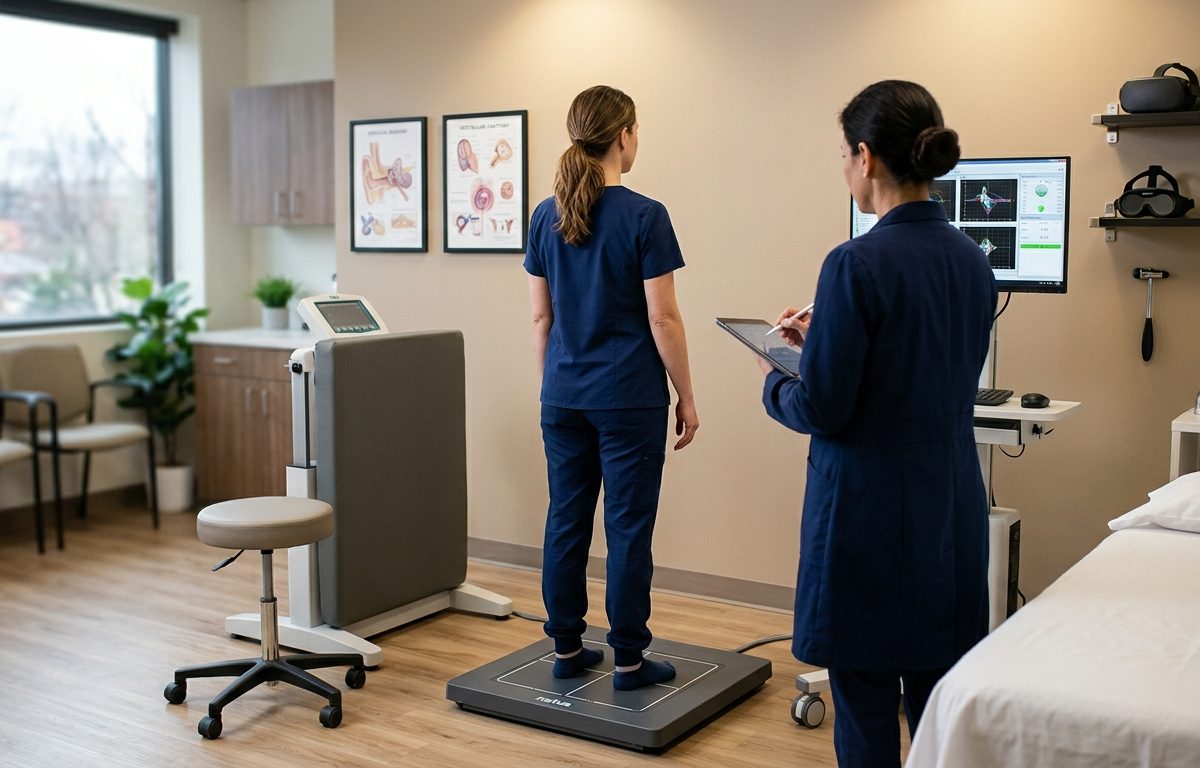
Free phone consultation with our San Diego functional neurology team. No obligation.
# Migraine and Vertigo Specialist San Diego: What Persistent Dizziness and Headaches May Point To
If you are searching for a **migraine and vertigo specialist in San Diego**, there is a good chance you are dealing with more than a simple headache or an occasional dizzy spell. Many people notice a pattern that is harder to explain: pressure in the head, light sensitivity, motion intolerance, trouble in busy stores, dizziness when turning quickly, and periods where concentration feels off even when scans or basic tests have been called normal.
That combination can happen when migraine pathways and balance pathways overlap. In some cases, the problem is **vestibular migraine**. In others, dizziness is connected to a prior concussion, visual-vestibular mismatch, neck involvement, or a separate inner-ear issue that needs to be distinguished from migraine.
At San Diego Chiropractic Neurology, the focus is on understanding the pattern behind symptoms instead of reducing everything to one label too early. A careful workup can help clarify whether migraine mechanisms, vestibular dysfunction, post-concussion changes, or multiple overlapping factors may be contributing.
## Why migraine and vertigo often show up together
Migraine is not only a headache disorder. It can affect sensory processing, visual motion tolerance, balance integration, and autonomic regulation. That is one reason some people experience episodes of:
- dizziness or rocking sensations
- motion sensitivity in cars, elevators, or grocery stores
- nausea without a stomach illness
- light or sound sensitivity
- pressure, headache, or head heaviness
- brain fog during or after an episode
- imbalance in crowded or visually complex environments
When migraine networks irritate systems involved in balance, symptoms can look a lot like an ear problem even when the full picture is more neurologic. That overlap is one reason patients may spend months bouncing between explanations before they get a plan that fits the pattern.
## What a vestibular migraine pattern may feel like
Vestibular migraine does not look exactly the same in every person. Some people have classic headache features. Others barely notice head pain and mainly struggle with dizziness, visual motion sensitivity, or a floating sensation.
Common patterns include:
- dizziness that comes in waves
- vertigo triggered by turning over in bed or quick head movement, but not in the exact pattern of BPPV
- discomfort under fluorescent lights or in supermarkets
- symptom flares with poor sleep, stress, dehydration, or skipped meals
- a history of migraine, motion sickness, or sensitivity to visual motion
- episodes that worsen around hormonal changes for some patients
Because symptoms vary, it is important not to assume every dizzy migraine-like presentation is the same thing. A structured evaluation helps separate likely vestibular migraine from other causes that may need a different plan.
## Conditions that can overlap with migraine and dizziness
A search for a migraine and vertigo specialist usually starts after symptoms have become disruptive. But the right next step depends on whether migraine is the main driver or only one part of the picture.
Conditions that may overlap include:
### Benign paroxysmal positional vertigo (BPPV)
BPPV often causes brief spinning episodes with specific position changes. It may respond to positional maneuvers, but persistent symptoms after a maneuver can suggest a more layered problem. Related balance guidance is also discussed on our (https://sdchironeuro.com/conditions/vertigo).
### Post-concussion dizziness
A prior concussion can disrupt visual, vestibular, and autonomic processing. Patients may develop dizziness, headaches, and exercise intolerance that resemble migraine while also involving post-injury neurologic changes. See our (https://sdchironeuro.com/conditions/concussion) for related background.
### Cervicogenic contributors
Neck dysfunction can amplify headache, disequilibrium, and movement sensitivity. It is not always the whole story, but in some patients it meaningfully increases symptoms.
### Visual-vestibular mismatch
Some people become symptomatic in busy environments, scrolling screens, or large open stores because the brain is not integrating visual motion and balance information efficiently.
### Autonomic involvement
If dizziness comes with heart racing, temperature intolerance, fatigue, or symptom flares on standing, autonomic factors may also matter. Our (https://sdchironeuro.com/conditions/pots) explains related patterns that can sometimes overlap.
## What a specialist-style evaluation may include
When migraine and vertigo symptoms overlap, the most useful visit is usually one that looks for mechanisms, triggers, and objective deficits rather than relying only on a generic symptom list.
A comprehensive workup may include:
- a detailed history of timing, triggers, and symptom sequencing
- review of headache features, aura history, motion sensitivity, and prior concussions
- balance and gait testing
- eye movement and visual tracking assessment
- positional testing to distinguish vestibular patterns
- screening for exercise intolerance or autonomic symptom patterns
- neck movement and postural review when clinically relevant
This kind of approach matters because two patients can both say “I feel dizzy,” but one may be dealing with vestibular migraine while another may have post-concussion visual-vestibular dysfunction or a positional inner-ear issue.
## Signs that the problem may be more than occasional migraine
People often wait longer than they should because they hope symptoms will settle on their own. It is reasonable to seek a more complete evaluation when you notice:
- repeated dizziness with headaches or head pressure
- symptoms that return in stores, crowds, or on screens
- imbalance after a concussion that is not fully resolving
- episodes that interfere with driving, work, exercise, or sleep
- inconsistent explanations despite multiple visits
- persistent sensitivity to motion, light, or visual complexity
These patterns do not automatically point to a serious emergency, but they do suggest the need for a closer look at how migraine, vestibular, and neurologic systems may be interacting.
## How rehabilitation planning is often personalized
Once the symptom pattern is clearer, care is usually more effective when it is matched to the person’s main limiting factors. Depending on findings, a plan may emphasize:
- graded vestibular rehabilitation
- visual tracking and gaze stabilization work
- motion sensitivity reduction strategies
- autonomic or exertional pacing where appropriate
- balance retraining
- environmental trigger management
- coordination with other providers when medication or imaging review is relevant
The goal is not to force every patient through the same checklist. It is to build a plan that reflects whether the main issues appear migraine-driven, vestibular, post-concussive, visual, autonomic, or mixed.
## What to expect from a San Diego evaluation
If you are searching locally for a migraine and vertigo specialist in San Diego, it helps to choose a clinic that understands both neurologic symptom patterns and functional balance complaints. People with persistent dizziness are often told to rest, drink more water, or wait it out. Sometimes those basics help. Often they are not enough when symptoms have become recurrent and disruptive.
A more useful next step is usually a structured assessment that asks:
- What reliably brings symptoms on?
- What environments make things worse?
- Is the dizziness positional, migrainous, visual, or mixed?
- Is there a concussion or autonomic history that changes the picture?
- Which deficits can be measured and tracked over time?
Those answers help guide whether a patient may benefit from targeted vestibular therapy, broader neurologic rehabilitation, further medical follow-up, or a combined plan.
## When urgent care is appropriate instead
Not every dizziness-and-headache presentation belongs in a routine outpatient blog-style pathway. Sudden severe neurologic symptoms, chest pain, fainting, new one-sided weakness, new facial droop, or abrupt major vision loss should be treated as urgent medical issues.
For non-emergency but persistent patterns, earlier evaluation often means less trial-and-error and a better understanding of why symptoms keep returning.
## Frequently asked questions
### 1. Can migraine cause vertigo even without a strong headache?
Yes. Some people with vestibular migraine mainly notice dizziness, motion sensitivity, nausea, or visual discomfort and have only mild head pain or no obvious headache during some episodes.
### 2. How is vestibular migraine different from BPPV?
BPPV usually causes brief positional spinning with a more classic mechanical pattern. Vestibular migraine often includes broader sensory sensitivity, variable dizziness episodes, and symptom triggers like stress, sleep disruption, or visual motion.
### 3. Can concussion symptoms overlap with migraine and vertigo?
Yes. After concussion, people may develop headaches, dizziness, visual motion intolerance, and balance complaints that overlap with migraine-related patterns. That is why careful distinction matters.
### 4. What kind of therapy may help if migraine and vertigo overlap?
Depending on findings, patients may benefit from vestibular rehabilitation, gaze stabilization, visual-vestibular exercises, balance work, and pacing strategies tailored to their triggers and deficits.
### 5. When should I get evaluated?
If dizziness and headache patterns are recurring, affecting daily function, or not making sense after prior visits, it is reasonable to schedule a more complete evaluation.
## Next step
Persistent dizziness and headache symptoms deserve a clearer explanation than “just rest and wait.” If you are trying to understand whether migraine, vestibular dysfunction, concussion-related changes, or overlapping neurologic factors may be involved, a structured evaluation can help define the pattern and the next step.
**Call (619) 344-0111 or book a free consultation**
Medical disclaimer: This article is for educational purposes only and is not medical advice. Individual symptoms and health histories vary. For personal guidance, schedule an evaluation with a qualified healthcare professional.
Not sure what is driving your symptoms?
Talk with our Functional Neurology Trained team on a free phone consultation. We will tell you honestly whether we can help.