Fatigue and Tachycardia After COVID San Diego: What Persistent Symptoms May Mean
Free phone consultation with our San Diego functional neurology team. No obligation.
Fatigue and tachycardia after COVID can leave people feeling stuck. Some notice that their energy never fully returns. Others feel their heart race when they stand up, walk across a room, climb stairs, or try to exercise. For some people in San Diego, these symptoms fade with time. For others, they continue for weeks or months and begin to disrupt work, family life, sleep, and daily routines.
Persistent fatigue plus a fast heart rate can have more than one cause. In some cases, symptoms relate to long COVID. In others, they may reflect deconditioning, poor sleep, anemia, medication effects, breathing pattern changes, anxiety, illness recovery, or autonomic dysfunction. Some patients also describe dizziness, brain fog, light sensitivity, exercise intolerance, nausea, headaches, or a sense that they cannot tolerate upright activity the way they used to.
That is why a careful evaluation matters. A racing heart after COVID should not be dismissed as just stress, but it also should not be assumed to mean one single diagnosis. Research suggests that long COVID can involve fatigue, palpitations, exercise intolerance, and autonomic symptoms in a meaningful subset of patients.[1,2] The right next step is usually a structured medical workup followed by a focused rehabilitation plan when lingering neurologic or autonomic dysfunction appears to be part of the picture.
Why Fatigue and Tachycardia May Happen After COVID
COVID recovery does not always follow a straight line. Even after the initial infection has passed, some people continue to experience symptoms tied to inflammation, altered exercise tolerance, sleep disruption, vestibular stress, breathing pattern dysfunction, or autonomic imbalance. The autonomic nervous system helps regulate heart rate, blood pressure, breathing, circulation, digestion, and the body’s response to position changes. When this system is not adapting well, patients may notice that their heart races too easily and their energy drops quickly.
Several long COVID reviews describe patterns that overlap with orthostatic intolerance and POTS-like physiology, including tachycardia, dizziness, fatigue, and brain fog.[1,3,4] That does not mean every person with fatigue and a fast heart rate after COVID has POTS. It does mean that autonomic dysfunction should stay on the differential when symptoms worsen with standing, exertion, heat, overstimulation, or poor recovery.
In clinical practice, symptoms may be worsened by more than one factor at the same time. A person may have post-viral fatigue plus a disrupted breathing pattern. Another may have vestibular overload, poor sleep, and orthostatic symptoms layered together. Another may have normal cardiac testing but still struggle with poor tolerance for upright activity, quick heart-rate spikes, and delayed recovery after minor exertion. This is one reason the best evaluations look at the full pattern instead of focusing on a single symptom in isolation.
Common Symptoms That Often Show Up Alongside a Racing Heart
People searching for fatigue and tachycardia after COVID in San Diego are often dealing with more than two symptoms. Common associated complaints include:
- Brain fog or reduced mental stamina
- Dizziness or lightheadedness when standing
- Exercise intolerance or post-exertional crashes
- Shortness of breath with mild activity
- Headaches or migraine flares
- Nausea or digestive changes
- Visual motion sensitivity
- Poor heat tolerance
- Sleep disruption
- Chest awareness or palpitations
These patterns matter because they may point toward autonomic involvement, especially when symptoms are worse with standing, walking, hot showers, long lines, crowded stores, or repeated position changes. Patients with overlapping dizziness symptoms may also benefit from understanding how vestibular stress fits into the picture. Related resources such as vertigo evaluation and POTS and autonomic symptom evaluation can help frame those overlaps.
When Symptoms Need Urgent Medical Attention
Not all post-COVID symptoms should wait for routine outpatient care. Emergency or urgent evaluation may be appropriate if a person has chest pain, fainting, significant shortness of breath, new neurologic deficits, oxygen concerns, leg swelling, severe dehydration, or an abrupt worsening in function. A very fast heart rate at rest, especially with other concerning symptoms, also deserves prompt medical attention.
Outpatient rehabilitation is not a substitute for emergency care. Before anyone assumes they are dealing with long COVID or autonomic dysfunction, serious cardiac, pulmonary, vascular, and metabolic causes should be ruled out when the symptom pattern suggests that level of concern.
Conventional Medical Evaluation Comes First
When fatigue and tachycardia continue after COVID, the first layer of care is conventional medical evaluation. Depending on the patient’s history, this may include primary care, cardiology, pulmonology, or other medical specialties. The goal is to identify or rule out conditions such as arrhythmia, myocarditis history, anemia, thyroid dysfunction, medication side effects, dehydration, pulmonary issues, or other medical causes of rapid heart rate and low energy.
A standard workup may include:
- Symptom and activity history
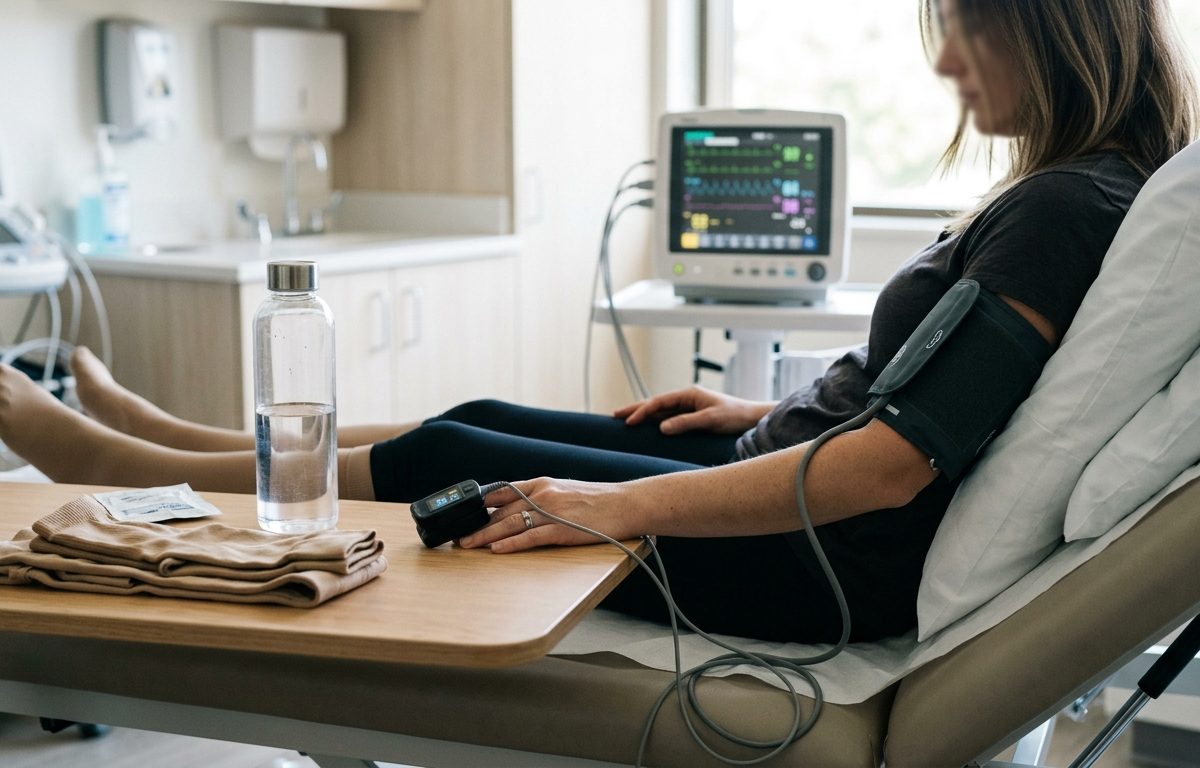
- Orthostatic vital signs
- Cardiac testing when indicated
- Lab work to assess anemia, thyroid function, and other contributors
- Medication and supplement review
- Sleep and hydration review
That medical layer matters. It helps patients avoid guessing and creates a safer starting point for next-step support. Reviews of long-term post-COVID effects emphasize that fatigue and tachycardia can reflect multiple body systems, not just one.
Where Functional Neurology and Rehabilitation May Fit
If urgent problems have been ruled out and symptoms continue, the next question is often whether the nervous system is still struggling to regulate effort, position change, visual load, balance input, or autonomic demand. This is where a rehabilitation-based approach may help.
At San Diego Chiropractic Neurology, the clinic does not position itself as replacing medical management of long COVID. The clinic focuses instead on non-invasive evaluation and rehabilitation support for neurologic and autonomic performance. That may include identifying triggers that worsen symptoms, assessing tolerance for upright posture and movement, looking at vestibular and visual load, and building a graded plan that improves regulation and function over time.
For some patients, the challenge is not just a fast heart rate. It is poor tolerance for the combined load of standing, turning the head, busy visual environments, breathing demands, exertion, and recovery. In those cases, a rehab plan may focus on restoring tolerance in a stepwise way rather than pushing through symptoms and crashing afterward.
What a San Diego Evaluation May Look Like
A thorough clinic evaluation may look at patterns such as:
- How symptoms change with standing, walking, head movement, or visual motion
- How quickly the heart rate climbs during light activity
- Whether dizziness or visual dependence adds to the fatigue burden
- How breathing mechanics affect symptom intensity
- How much recovery time is needed after physical or cognitive effort
- Whether symptom triggers suggest autonomic overload, vestibular involvement, or both
This can be especially useful for patients who have been told that their testing is “normal” but who clearly still cannot tolerate normal daily activity. Normal structural testing does not always explain poor regulation, poor stamina, or symptom surges with upright activity. In those cases, the functional question becomes: what load is the nervous system failing to adapt to, and how can that tolerance be improved safely?
How Rehabilitation Support Is Different From Disease Claims
This distinction matters. Long COVID and POTS are medical conditions that require appropriate physician-guided evaluation. A rehabilitation clinic should not present itself as replacing conventional medical care. Instead, it can support a patient’s function by helping improve autonomic tolerance, physical pacing, sensory load management, exercise re-entry, and neurologic recovery strategies.
That may include education around pacing, hydration habits when medically appropriate, graded exposure to upright tolerance, and structured rehabilitation that respects symptom limits. Family medicine guidance on POTS due to long COVID has also discussed support strategies such as fluids, salt when medically appropriate, compression, and graded activity. These are not one-size-fits-all answers, but they illustrate why symptom-guided support can be helpful when medically supervised and applied to the right patient profile.
Why Some People Feel Worse After Doing “Too Much”
Many patients describe a boom-and-bust cycle. On a good day, they try to catch up on errands, work, exercise, or housework. Then they feel wiped out later, their heart rate becomes harder to control, and their next day is worse. This pattern often means their current capacity is lower than their goals, even if motivation is high.
A useful plan usually starts by identifying current tolerance, not ideal tolerance. Once baseline limits are clear, activity can be built more gradually. For some patients, visual motion or vestibular strain is part of that threshold. For others, prolonged standing, heat, dehydration, or poor meal timing is the bigger factor. The better the pattern is understood, the more targeted the plan can become.
How Related Symptoms Can Change the Plan
Fatigue and tachycardia after COVID do not exist in a vacuum. If a patient also has dizziness, visual motion sensitivity, or balance issues, vestibular rehabilitation principles may become part of the plan. If neck tension, headaches, and visual strain are prominent, the clinic may also look at head and eye movement tolerance. Related service pages such as vestibular therapy and neuro-visual rehabilitation may help explain how these pieces overlap.
Some patients also ask whether vagus nerve strategies or breathing-based regulation work belongs in the conversation. These topics should be framed carefully and medically. The clinic’s role is to support regulation, tolerance, and rehabilitation when appropriate, not to make outsized claims. Patients can learn more about that clinical framing through the clinic’s vagus nerve therapy and stimulation overview.
What Patients in San Diego Often Want to Know
Many patients want to know whether they are “just out of shape” or whether something more specific is happening. The answer may be both. Deconditioning can matter, but it does not explain every symptom pattern. Orthostatic intolerance, autonomic dysregulation, vestibular stress, and post-viral under-recovery may all reduce tolerance in ways that make reconditioning feel harder than expected.
Others want to know whether improvement is still possible months later. For many patients, yes, progress is still possible. But the plan usually works better when it is based on current tolerance, symptom triggers, and objective response patterns instead of guesswork. A rushed return to normal activity may backfire. A structured plan tends to be more sustainable.
When to Seek a More Complete Evaluation
If fatigue and tachycardia after COVID are interfering with work, exercise, daily tasks, or concentration, it may be time for a more complete evaluation. That is especially true when symptoms worsen with standing, walking, heat, or visually busy environments, or when basic rest alone has not solved the problem.
For patients in San Diego, the value of a thorough workup is clarity. It helps separate what needs medical rule-out from what may benefit from neurologic and autonomic rehabilitation support. That clearer map often makes recovery decisions less overwhelming.
Call (619) 344-0111 or book a free consultation to learn whether a structured evaluation at San Diego Chiropractic Neurology may be a fit for persistent post-COVID fatigue, tachycardia, dizziness, or autonomic symptom patterns.
Medical Disclaimer
This article is for educational purposes only and is not medical advice. It does not replace evaluation by a licensed physician or emergency care when needed. If you have chest pain, fainting, severe shortness of breath, new neurologic symptoms, or another urgent concern, seek immediate medical attention.
Frequently Asked Questions
Can COVID cause fatigue and a racing heart months later?
Yes. Some people continue to experience fatigue, palpitations, exercise intolerance, and orthostatic symptoms for weeks or months after COVID. Long COVID is one possible explanation, but a full evaluation is still important because other medical causes may also contribute.
Is fatigue and tachycardia after COVID the same as POTS?
Not always. Some patients have symptoms that overlap with POTS or orthostatic intolerance, but not everyone meets the criteria for the same diagnosis. Structured medical evaluation helps sort out the difference.
When should fatigue and tachycardia after COVID be evaluated urgently?
Urgent evaluation is important if symptoms are paired with chest pain, fainting, severe shortness of breath, oxygen concerns, new neurologic deficits, or a sudden major decline in function.
What testing may help explain fatigue and tachycardia after COVID?
Testing depends on the patient, but may include orthostatic vital signs, cardiac evaluation when indicated, lab work, medication review, and a broader assessment of autonomic, vestibular, and functional tolerance patterns.
Can rehabilitation help if cardiac testing is normal but symptoms continue?
For some patients, yes. If major medical issues have been ruled out, rehabilitation may help improve tolerance, pacing, balance, visual load handling, and autonomic regulation during recovery.
References
- Davis HE, McCorkell L, Vogel JM, Topol EJ. Long COVID: major findings, mechanisms and recommendations. Nat Rev Microbiol. 2023. https://www.nature.com/articles/s41579-022-00846-2
- National Academies of Sciences, Engineering, and Medicine. Selected Long-Term Health Effects Stemming from COVID-19 and Functional Implications. 2024. https://www.ncbi.nlm.nih.gov/books/NBK607399/
- Long COVID and Postural Orthostatic Tachycardia Syndrome—Is Dysautonomia to Be Blamed? 2023. https://pmc.ncbi.nlm.nih.gov/articles/PMC10065129/
- Larsen NW, Stiles LE, Miglis MG. Autonomic dysfunction in post-acute sequela of COVID-19. 2023. https://pmc.ncbi.nlm.nih.gov/articles/PMC10110930/
- Management of POTS due to Long COVID. American Academy of Family Physicians. 2024. https://www.aafp.org/pubs/afp/afp-community-blog/entry/management-of-pots-due-to-long-covid.html
Not sure what is driving your symptoms?
Talk with our Functional Neurology Trained team on a free phone consultation. We will tell you honestly whether we can help.