Concussion Specialist San Diego: When a More Complete Evaluation May Help
Free phone consultation with our San Diego functional neurology team. No obligation.
A concussion can look minor at first and still create symptoms that interfere with work, school, driving, exercise, and daily life. Headache, dizziness, light sensitivity, nausea, balance problems, visual strain, brain fog, and fatigue may improve on their own in the early phase, but some people do not recover as smoothly as expected. When that happens, many patients start looking for a concussion specialist in San Diego who can help clarify what is driving the symptoms and what steps may support recovery.
At San Diego Chiropractic Neurology, the clinical focus is on non-invasive evaluation and rehabilitation for neurologic, vestibular, visual, cervical, and autonomic patterns that may affect post-concussion recovery. That is different from emergency care or disease-specific medical management. A concussion specialist evaluation does not replace urgent medical care when red-flag symptoms are present, but it may help when symptoms continue, when activity tolerance remains low, or when dizziness and brain fog are not resolving as expected.
What a concussion specialist does
The term concussion specialist can describe several types of providers, including sports medicine physicians, neurologists, neuropsychologists, vestibular therapists, and clinicians who focus on neurologic rehabilitation. The right fit depends on the patient’s symptom pattern and where they are in recovery.
In a rehabilitation-focused setting, the goal is usually to answer a few practical questions:
- Are symptoms following a typical recovery course, or do they suggest a more persistent pattern?
- Are vestibular, visual, cervical, balance, or autonomic issues contributing to the symptoms?
- What activities are currently aggravating symptoms?
- What can be progressed safely, and what still needs to be modified?
That broader view matters because concussion symptoms do not always come from one single source. A patient may have headache provocation from screen use, dizziness in busy stores, neck-related symptom triggers, poor tolerance for exercise, and visual motion sensitivity all at the same time. A thorough evaluation helps organize those findings into a practical plan instead of telling the patient to simply keep resting indefinitely.
When it makes sense to seek specialty evaluation
Many people recover well with early relative rest, activity modification, and routine medical follow-up. Still, specialty care may be worth considering when symptoms are not improving, when symptoms return with normal activity, or when the patient is not sure which body system is the main problem.
Common reasons to seek a post concussion specialist in San Diego include:
- Dizziness, unsteadiness, or motion sensitivity lasting beyond the initial recovery window
- Headaches triggered by screens, reading, driving, or exertion
- Brain fog, slowed processing, or reduced concentration affecting work or school
- Visual problems such as eye strain, blurred vision, or trouble tracking
- Exercise intolerance, rapid heart rate with upright activity, or poor autonomic tolerance
- Persistent neck pain that seems tied to headache or dizziness provocation
In San Diego, this question comes up often for students, active adults, military families, professionals, and recreational athletes who need a clearer path back to daily function. A more complete evaluation can help show whether the limiting issue is vestibular, oculomotor, cervical, autonomic, or a combination of several overlapping problems.
Emergency care versus ongoing concussion care
It is important to separate urgent medical needs from the rehabilitation phase. Emergency evaluation is appropriate after a head injury if there is loss of consciousness with concerning progression, worsening headache, repeated vomiting, new weakness, seizure, significant confusion, slurred speech, or any other red-flag neurologic change. Those problems need immediate medical attention.
Once serious complications have been ruled out, the next step is often guided recovery. This can involve a primary care physician, sports medicine provider, or another clinician overseeing concussion management. A rehabilitation-focused concussion evaluation fits later in the process when persistent symptoms need more detailed functional assessment.
Why symptoms sometimes linger
One of the most frustrating parts of concussion recovery is that two people with similar injuries may recover very differently. Persistent symptoms do not necessarily mean something dangerous was missed, but they often mean that recovery is being influenced by more than one factor.
Common contributors include:
- Vestibular dysfunction: trouble processing head motion, visual motion, and balance input
- Oculomotor dysfunction: difficulty with tracking, convergence, or visual endurance
- Cervical involvement: neck irritation contributing to headache, dizziness, or position-related symptoms
- Autonomic dysregulation: poor tolerance for upright posture or exercise and symptom flares with exertion
- Sleep and load management issues: inconsistent pacing, poor sleep quality, or overexertion followed by setbacks
Research on persistent post-concussion symptoms supports a targeted, individualized approach rather than a one-size-fits-all recovery script. That is one reason concussion evaluation San Diego searches often increase when symptoms have already lasted for weeks and the patient still does not understand what is driving them.
What a thorough concussion evaluation may include
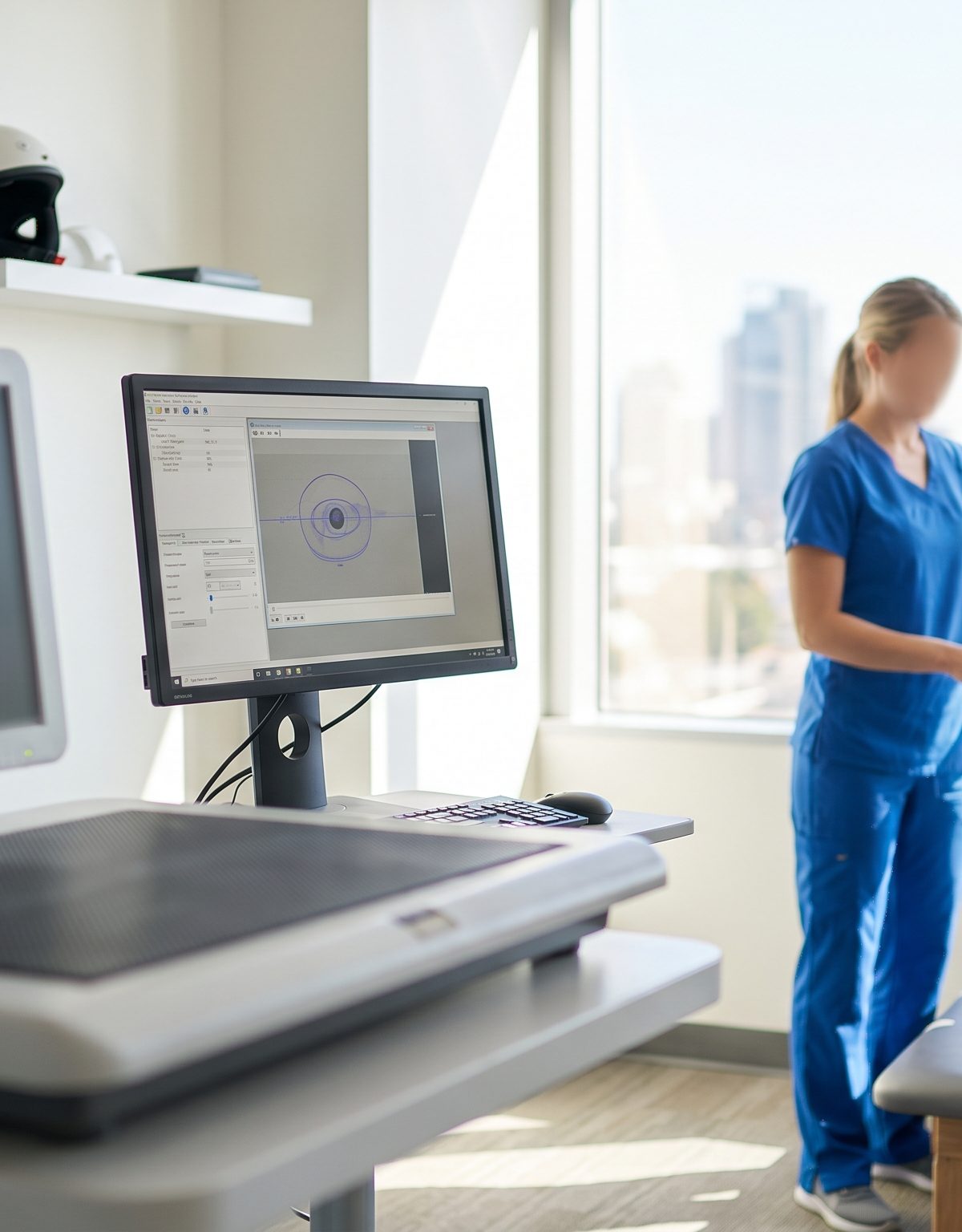
A specialty evaluation should not be a quick five-minute check-in. A more complete exam may include symptom history, injury timeline, aggravating activities, prior concussion history, migraine history, sleep patterns, and current function at work, school, exercise, and daily life.
Depending on the case, assessment may include:
- Balance and gait testing
- Eye movement and visual tracking assessment
- Vestibular screening for motion sensitivity and dizziness triggers
- Cervical exam for neck-related symptom provocation
- Autonomic or exertional tolerance screening
- Task-specific review of reading, computer use, driving, or exercise triggers
This type of evaluation helps identify which systems are limiting recovery so rehabilitation can be prioritized more effectively. For example, a patient whose dizziness spikes in grocery stores may need a very different plan from a patient whose main problem is headache with computer work or poor tolerance for faster walking.
The clinic’s role in concussion rehab
San Diego Chiropractic Neurology approaches concussion rehab as a functional problem-solving process. The clinic’s role is not to promise a cure for brain injury. Instead, the goal is to evaluate how neurologic, vestibular, visual, cervical, and autonomic performance may be affecting recovery and to use non-invasive rehabilitation strategies to support regulation, tolerance, and return to activity.
That may include graded exposure to motion, balance retraining, visual-vestibular exercises, pacing strategies, exertion tolerance progression, and coordination with the patient’s broader medical team when needed. This rehabilitation-focused role is especially relevant when persistent dizziness, visual sensitivity, or activity intolerance are the problems keeping recovery stuck.
Patients dealing with dizziness may also benefit from related evaluations such as vertigo care and targeted vestibular therapy. When visual strain is a major symptom driver, neuro-visual rehabilitation style rehabilitation principles may also be relevant depending on the exam findings.
What concussion rehab may look like
Good concussion rehab is progressive and individualized. It usually starts below the patient’s symptom threshold and builds tolerance over time. That matters because prolonged strict rest is no longer considered the best default strategy for most patients. Relative rest followed by symptom-limited progression is generally more consistent with current guidance.
A concussion rehab plan may include:
- Graduated return to reading, screen use, and work tasks
- Vestibular exercises for motion sensitivity and gaze stabilization
- Balance retraining
- Visual tracking or convergence support when indicated
- Cervical movement and posture strategies when neck involvement is present
- Graded exertion to improve tolerance for walking, daily activity, and exercise
The right plan should feel structured rather than random. Patients often do better when they know which activities are safe, which ones still need modification, and what progress markers matter most.
What recovery planning should include
One reason patients feel stuck is that they are often told what to avoid but not what to build back in. Recovery planning should include practical guidance for sleep, work pacing, screen tolerance, exercise progression, symptom tracking, and follow-up milestones. That does not need to be overly complicated, but it does need to be specific enough that the patient knows how to move forward without guessing.
For example, some patients need shorter reading blocks with scheduled breaks before they can resume normal computer work. Others may need walking or bike intervals that stay below the symptom threshold while conditioning improves. Some patients mainly need gaze stabilization and visual motion exposure because busy environments are the main barrier. A detailed plan helps reduce the stop-start cycle that happens when people either overdo activity on a good day or avoid too much for too long.
It can also be helpful to identify what “better” should look like over the next two to four weeks. Improvement may mean fewer symptom spikes during the workday, longer walking tolerance, better tolerance for shopping or driving, fewer headaches with screens, or less next-day fatigue after activity. These concrete markers are often more useful than asking only whether the patient still has symptoms at all.
Why a multidisciplinary mindset matters
Even when care is delivered in one clinic, good concussion management usually benefits from a multidisciplinary mindset. Some patients need medical reassessment, medication review, neuro-ophthalmology input, formal vestibular therapy, or neuropsychological support in addition to rehabilitation-focused care. A strong concussion specialist should be comfortable identifying when co-management is appropriate instead of forcing every problem into one treatment model.
This matters for persistent symptoms because concussion recovery can overlap with migraine history, neck injury, anxiety around motion, visual strain, and exercise intolerance. A clinic that understands these layers can help patients prioritize the next best step rather than treating every symptom the same way. In practice, that often means combining targeted rehabilitation with sensible referrals and clear expectations.
How to choose a concussion specialist in San Diego
If a patient is comparing options, it helps to look past the title alone and ask how the clinic evaluates persistent symptoms. Useful questions include:
- Do they assess dizziness, balance, visual function, neck contribution, and exercise tolerance?
- Do they explain why symptoms may be lingering?
- Do they provide a staged rehabilitation plan instead of generic rest advice?
- Will they coordinate with other providers when the case needs broader medical follow-up?
For many San Diego patients, the biggest value of specialty care is clarity. A good evaluation should help explain what is driving symptoms now, what can be improved with rehabilitation, and what needs medical co-management elsewhere.
When to schedule an evaluation
There is no perfect universal timeline, but earlier assessment can be helpful when recovery is clearly drifting off course. If symptoms remain disruptive, if returning to work or exercise keeps failing, or if dizziness and brain fog are still a major problem, that is often enough reason to seek more detailed evaluation.
Patients can also review broader concussion resources through the clinic’s concussion condition page and general FAQ resources to understand how persistent symptoms are commonly approached.
FAQ
What does a concussion specialist do?
A concussion specialist evaluates symptoms, identifies which systems may be contributing to prolonged recovery, and helps guide a more structured care plan. Depending on the clinic, that may include medical management, rehabilitation, or both.
When should someone see a concussion specialist instead of waiting it out?
If symptoms are not improving, if normal activity keeps triggering setbacks, or if dizziness, visual problems, headaches, or brain fog remain significant, specialty evaluation may help clarify the next step.
Can a concussion specialist help with dizziness and brain fog?
Yes, especially when symptoms relate to vestibular, visual, cervical, or exertional tolerance issues. A detailed evaluation can help show which factors may be contributing and what kind of rehabilitation is most appropriate.
What tests might be included in a concussion evaluation?
Testing may include balance screening, eye movement assessment, vestibular testing, cervical evaluation, symptom provocation review, and exertion or autonomic tolerance measures depending on the case.
How long does concussion recovery usually take?
Many people improve within days to weeks, but some have persistent symptoms that need more targeted care. The right timeline depends on symptom type, overall health, activity demands, and whether multiple systems are involved.
Call (619) 344-0111 or book a free consultation if persistent concussion symptoms are affecting daily life and a more complete non-invasive evaluation is needed.
Medical disclaimer: This article is for educational purposes only and is not a diagnosis, treatment recommendation, or substitute for emergency care, physician advice, or individualized medical evaluation.
References
- McCrory P, et al. Consensus statement on concussion in sport—the 5th international conference on concussion in sport. Br J Sports Med. 2017. https://bjsm.bmj.com/content/51/11/838
- Leddy JJ, et al. Active recovery from concussion. Curr Opin Neurol. 2018. https://pubmed.ncbi.nlm.nih.gov/29406441/
- Andersen TE, et al. Rehabilitation of concussion and persistent post-concussive symptoms. Br J Sports Med. 2021. https://bjsm.bmj.com/content/55/12/661
- Alsalaheen BA, et al. Vestibular rehabilitation for dizziness and balance disorders after concussion. J Neurol Phys Ther. 2010 / related later evidence summaries.
- CDC HEADS UP. What to do after a concussion. https://www.cdc.gov/heads-up/
Not sure what is driving your symptoms?
Talk with our Functional Neurology Trained team on a free phone consultation. We will tell you honestly whether we can help.