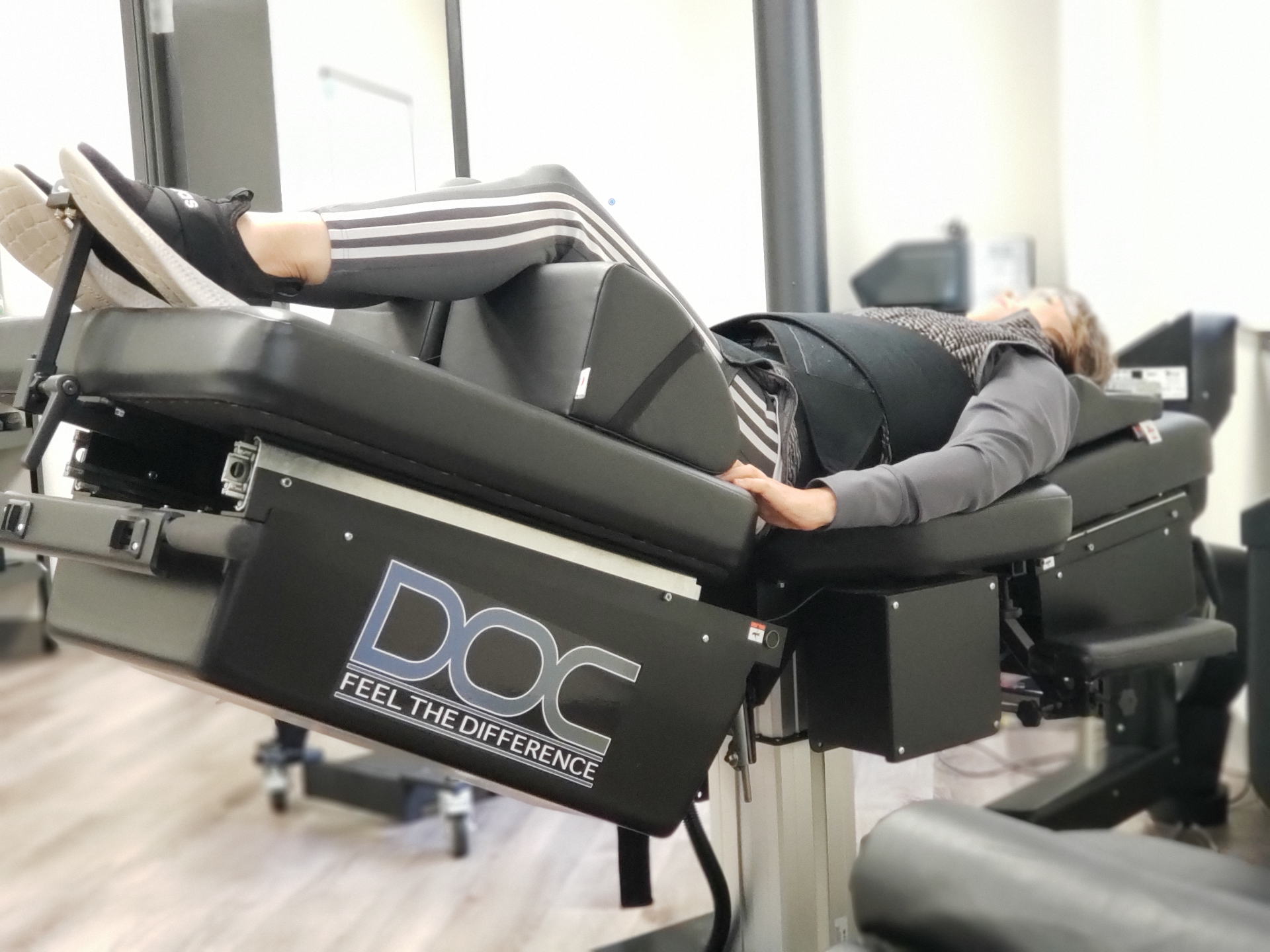
Understanding Fascia: Your Body's Hidden Pain Source
Fascia is a continuous, three-dimensional web of connective tissue that permeates every structure in your body. Think of it as the body's internal packaging system—it wraps around individual muscle fibers, bundles them into muscles, connects muscles to bones, suspends organs, and creates the structural framework that gives your body its shape. If you removed everything except the fascia, you'd still see a complete outline of the human form.
What makes fascia clinically important is that it's densely innervated with sensory nerve endings—containing up to six times more mechanoreceptors than muscle tissue. This means fascia is a major source of pain when it becomes dysfunctional. Injuries, surgery, chronic inflammation, repetitive stress, and even emotional tension cause fascia to dehydrate, stiffen, and develop adhesions—areas where tissue layers that should glide freely against each other become stuck together.
These fascial restrictions can compress nerves, restrict blood flow, limit joint motion, and generate referred pain patterns that make diagnosis challenging. Because fascia is a continuous system, a restriction in one area can create symptoms far from the actual source—hip fascia tension can cause knee pain, abdominal adhesions can contribute to lower back pain, and neck fascia tightness can trigger headaches.
At San Diego Chiropractic Neurology, we specialize in identifying and treating these hidden fascial pain sources using multiple techniques tailored to each patient's specific restriction pattern.
Signs You May Have Fascial Restrictions
Fascial dysfunction often masquerades as other conditions. If you're experiencing these symptoms, fascial mobilization may provide the relief you've been seeking.
- Chronic muscle tightness that doesn't respond to stretching
- Deep, aching pain that's hard to pinpoint
- Stiffness or reduced range of motion in joints
- Pain that worsens with prolonged sitting or standing
- Post-surgical scar tissue causing restricted movement
- Recurring muscle knots or trigger points
- Pain that spreads or refers to unexpected areas
- Sensation of tightness or pulling under the skin
Fascial Mobilization Techniques We Use
We select from multiple evidence-based techniques to match each restriction's depth, location, and severity.
Instrument-Assisted Soft Tissue Mobilization (IASTM)
Using specially designed stainless steel instruments, we scan the tissue surface to detect and treat fascial restrictions. The instruments amplify what our hands can feel, allowing us to identify adhesions with greater precision and apply targeted pressure to break them down. This technique is also known as Graston Technique and is backed by extensive clinical research.
Manual Myofascial Release
Sustained, hands-on pressure applied to fascial restrictions in specific directions. Unlike massage, which works primarily on muscles, myofascial release targets the connective tissue matrix itself. The sustained pressure allows the fascia to soften, elongate, and release—a process that takes time because fascia is a collagenous tissue that responds to sustained load, not quick stretching.
Active Release Technique (ART)
A movement-based approach where the doctor applies precise tension to the restricted tissue while the patient performs specific movements. This combination of tension and motion breaks adhesions between tissues that should slide freely against each other—muscles against muscles, nerves against tendons, fascia against bone.
Cupping Therapy
Silicone or glass cups create negative pressure (suction) that lifts fascial layers apart, increasing space between tissue planes that have become adhered. This decompressive approach is the opposite of compression-based techniques and is particularly effective for large muscle groups and areas where deep pressure is uncomfortable.
Trigger Point Therapy
Focused pressure on myofascial trigger points—hyperirritable spots in taut bands of muscle that refer pain to other areas. Sustained compression reduces the neurological hyperactivity in these points, releasing the taut band and eliminating both the local tenderness and the referred pain pattern.
Our 5-Step Fascial Mobilization Program
A systematic approach that releases fascial restrictions and retrains your body to move freely.
Fascial Assessment & Palpation
Thorough hands-on evaluation to map your fascial restrictions, adhesions, and trigger points. We assess tissue texture, mobility, and sensitivity across multiple body regions to identify the full pattern of restriction—not just the area that hurts.
Targeted Fascial Release
Using the most appropriate technique for each restriction—IASTM for superficial adhesions, manual release for deep restrictions, ART for nerve entrapments—we systematically release the fascial barriers limiting your movement and causing your pain.
Neuromuscular Re-Education
After releasing fascial restrictions, we retrain the muscles and nervous system to use the newly available range of motion. Without this step, the body often defaults back to compensatory patterns that recreate the fascial tension.
Spinal & Joint Alignment
Chiropractic adjustments complement fascial work by ensuring the skeletal framework is properly aligned. Fascial release without joint correction is incomplete—and joint correction without fascial release often doesn't hold.
Home Mobility & Foam Rolling Program
Customized self-care program including foam rolling protocols, targeted stretches, and movement exercises to maintain fascial health between sessions and prevent adhesions from reforming.
Maintaining Fascial Health at Home
Between sessions, consistent self-care keeps your fascia hydrated, mobile, and adhesion-free:
Foam rolling. Slow, sustained rolling (not fast back-and-forth) over major muscle groups for 1 to 2 minutes per area. When you find a tender spot, hold gentle pressure for 30 to 60 seconds until the tissue softens. Focus on the thoracic spine, IT bands, quadriceps, and calves.
Hydration. Fascia is approximately 70% water. Dehydrated fascia becomes stiff and adhesion-prone. Aim for half your body weight in ounces of water daily—more on active days. Adequate hydration is the single most important factor in maintaining fascial mobility.
Varied movement. Fascia thrives on movement diversity. If you sit at a desk, take 2-minute movement breaks every 30 minutes. Incorporate different types of movement throughout the week—walking, stretching, yoga, swimming—to load your fascial system from multiple angles.
Sustained stretching. Hold stretches for 90 to 120 seconds minimum. Fascia is a collagenous tissue that doesn't respond to quick, bouncy stretches—it requires sustained tension over time to lengthen and remodel.
Why Choose San Diego Chiropractic Neurology for Fascial Mobilization?
30+ Years Experience
Decades of soft tissue expertise
Multiple Techniques
IASTM, ART, cupping, manual release
Root Cause Focus
Treat patterns, not just symptoms
Integrated Care
Fascial + chiropractic + neurology
Lasting Results
Home programs prevent recurrence
Fascial Mobilization FAQs
Common questions about fascial mobilization and myofascial release therapy in San Diego.
Related Conditions
Back Pain
Fascial restrictions in the thoracolumbar fascia are a major contributor to chronic lower back pain.
Learn about Back PainHerniated Disc
Releasing fascial tension around disc injuries reduces compensatory muscle guarding and pain.
Learn about Herniated DiscSciatica
Piriformis and gluteal fascial restrictions can compress the sciatic nerve, mimicking disc-related sciatica.
Learn about SciaticaTreatments That May Help
Chiropractic Care
Fascial release + spinal adjustments address both soft tissue and skeletal components of pain.
View serviceARP Wave Therapy
ARP Wave neuromuscular stimulation complements fascial work by retraining muscle activation patterns.
View serviceLow-Level Laser Therapy
Cold laser accelerates healing of inflamed fascial tissue and reduces post-treatment soreness.
View service